
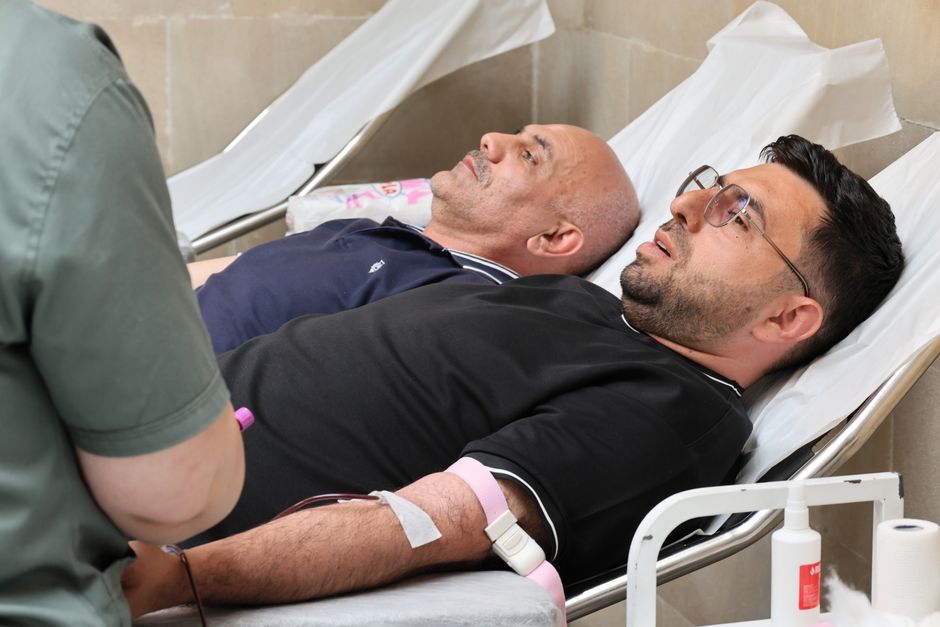
Donating platelets is generally safe for healthy adults, and the process is tightly regulated by blood collection agencies. Most donors experience only mild, temporary side effects like bruising or tingling, while serious complications are rare. The screening process is thorough, and your body replaces donated platelets within a few days, making it a safe procedure for most people who qualify.
What Happens During a Platelet Donation?
Platelet donation is different from giving whole blood. Instead of simply drawing blood into a bag, the process uses a machine called a cell separator. Blood is drawn from one arm, passed through the machine, and the platelets are collected. The remaining blood components are returned to your body through the same arm or the other arm.
This process is called apheresis. It takes longer than a standard blood donation, usually 90 minutes to two hours. During that time, you are lying down while the machine works. The needle is in place the entire time, which is one reason the process feels different from a quick whole blood donation.
Most donation centers give you a calcium supplement or antacid before you start. This helps reduce the tingling sensation that can happen when the anticoagulant used during the procedure binds to calcium in your bloodstream. The anticoagulant, called citrate, keeps the blood from clotting while it is outside your body.
What Are the Common Side Effects?
The most common side effects are mild and short-lived. Bruising at the needle site is the most frequent complaint. Some people feel lightheaded or tired after donating. These symptoms typically resolve within a few hours.
A tingling sensation around the lips, fingers, or toes is also common. This happens because the citrate temporarily lowers the amount of free calcium in your blood. The sensation usually fades quickly after the donation ends. Eating a snack and drinking fluids afterward helps most people feel back to normal.
Some donors report feeling cold during the procedure. The blood returning to your body is at room temperature, which can lower your core temperature slightly. Donation centers usually provide blankets, and this feeling passes quickly.
Serious Risks Are Rare but Real
Serious complications from platelet donation are uncommon, but they exist. The most significant risk is a reaction to the citrate. In rare cases, the tingling becomes severe and can progress to muscle cramping or an irregular heartbeat. Trained staff monitor you throughout the procedure and can slow the machine or stop the donation if this happens.
Infection at the needle site is possible but very rare because donation centers use sterile, single-use equipment. There is no risk of contracting a bloodborne illness from donating because everything used is new and disposable.
A rare but serious complication is a reaction to the white blood cells that may be present in the collected platelets. To prevent this, donation centers often filter the platelets before they are stored. This reduces the risk of a recipient having a reaction, but it does not affect the donor.
Some donors experience a drop in blood pressure during the procedure. This can cause dizziness or fainting. Staff monitor your blood pressure throughout and will stop the donation if it drops too low.





Who Should Not Donate Platelets?
Not everyone qualifies to donate platelets. The screening process is strict because platelet donors give more frequently than whole blood donors. You must be in good general health, weigh at least 110 pounds, and be at least 17 years old in most states, though some states allow 16-year-olds with parental consent.
Certain medical conditions disqualify you. People with active infections, recent surgeries, or a history of certain cancers cannot donate. People taking blood thinners or aspirin are typically deferred because these medications affect platelet function.
Pregnant women and women who have been pregnant in the past year are usually deferred. This is because pregnancy can cause the body to produce antibodies that may be harmful to recipients. This is a precautionary measure, not an indication that donation is dangerous for the mother.
If you have a chronic condition like heart disease, diabetes, or a bleeding disorder, you will likely be deferred. The screening questionnaire is designed to protect both you and the recipient. Being honest on the questionnaire is essential, even if it means you cannot donate.
How Often Can You Donate Platelets?
Platelets regenerate quickly. Your body replaces the donated platelets within about three to five days. Because of this, you can donate more frequently than whole blood.
Most donation centers allow platelet donations every seven to 14 days. However, you cannot exceed 24 platelet donations in a 12-month period. This limit exists to protect your long-term health, particularly your iron stores and overall blood cell counts.
Your platelet count is checked before each donation. If your count is too low, you will be deferred until it recovers. This is a safety measure, not a punishment. It ensures that you are not depleting your body beyond what is safe.
What Does the Evidence Say About Long-Term Safety?
Research on platelet donors has looked at long-term health outcomes, and the findings are reassuring. Studies have not found an increased risk of cancer or other chronic diseases among regular platelet donors. The main long-term concern is iron depletion, but this is less of an issue for platelet donation than for whole blood donation because the machine returns most of your red blood cells to you.
Some research has suggested that frequent donation over many years may lead to lower lymphocyte counts. Lymphocytes are a type of white blood cell. The clinical significance of this finding is not fully understood, and current evidence does not show that it causes health problems for donors.
Blood collection agencies monitor their donors carefully. They track how much you donate, how often, and your blood counts over time. This data helps them identify any potential problems early and adjust donation intervals if needed.
Is It Safe To Donate Platelets Side Effects Facts: The Bottom Line
Platelet donation is a safe procedure for healthy adults who pass the screening requirements. The side effects are mostly mild and temporary, and serious complications are rare. The process is monitored by trained medical staff, and the equipment used is sterile and single-use.
If you are considering donating, the best first step is to contact your local blood donation center. They will walk you through the screening process and answer any questions specific to your health history. The staff are experienced and can give you a clear answer about whether you qualify.
Donating platelets is a meaningful way to help people with cancer, trauma, and surgical needs. Patients receiving chemotherapy or bone marrow transplants often depend on platelet transfusions. Knowing the facts about side effects and safety helps you make an informed decision about whether this is right for you.
Frequently Asked Questions
How long does it take to recover from donating platelets?
Most people feel back to normal within a few hours. Your body fully replaces the donated platelets within three to five days.
Can donating platelets make you tired?
Some donors feel tired or lightheaded after donating, but this usually passes within a few hours. Eating a snack and drinking fluids helps most people recover quickly.
Is platelet donation painful?
The needle insertion feels like a brief pinch, similar to a blood draw. The rest of the procedure is generally painless, though some people feel a tingling sensation from the anticoagulant.
Why do platelet donors need to take calcium?
The anticoagulant used during donation can temporarily lower your blood calcium levels, causing tingling. Taking a calcium supplement before or during the procedure prevents or reduces this side effect.
