
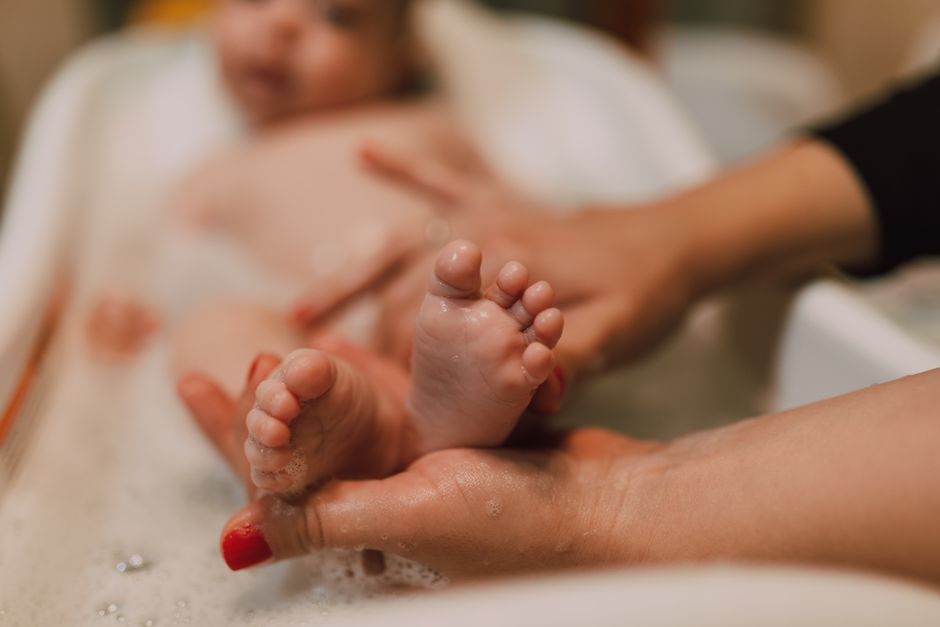
You can give your newborn their first real bath once the umbilical cord stump has dried up and fallen off, which usually happens within one to three weeks after birth. Until then, sponge baths are the safe choice. Most babies do not need a full bath every day — two or three times a week is plenty for a healthy newborn.
When Can You Give Your Newborn A Bath?
The short answer is timing matters more than most parents expect. A newborn’s first bath should wait until the umbilical stump separates and heals. That stump is an open wound in a sense — it is where the cord was clamped and cut — and keeping it dry helps it fall off on its own and reduces the chance of infection.
Until the stump is gone, sponge baths are the standard approach. You lay the baby on a warm, flat surface, keep them wrapped in a towel except for the part you are washing, and use a damp cloth with plain water or a tiny amount of mild baby soap.
Once the stump has fallen off and the area looks fully healed, you can move to tub baths. Some hospitals once bathed newborns within the first hour or two of life. That practice has largely changed. Current guidance generally favors delaying the first bath for several hours after birth, and often longer, because early bathing can lower a newborn’s body temperature and can interfere with early breastfeeding and skin-to-skin contact. The exact timing is usually decided by the birth team based on the baby’s temperature and feeding.
Why Should You Wait Until the Cord Stump Falls Off?
The umbilical stump is a healing wound. Submerging it in bath water keeps it moist, which can slow the drying process and, in some cases, create conditions for bacteria to grow.
When the stump stays dry and is exposed to air, it typically dries, shrivels, and drops off on its own. You should not pull it off, even if it looks ready. Let it separate naturally.
While the stump is still attached, keep the diaper folded below it so urine does not soak it. If it gets dirty, clean it with plain water and pat it dry. Some clinicians recommend letting it air out when possible.
Call your pediatrician if you notice redness spreading around the base, a foul smell, pus, or bleeding that does not stop. These can be signs of infection and need a medical evaluation, not home care.
How Often Should You Bathe a Newborn?
Two to three times a week is enough for most newborns. Their skin does not get very dirty, and too much bathing can dry it out.
Daily bathing is not harmful for every baby, but it is not necessary. If your baby seems to enjoy it and their skin is not drying out, more frequent baths are generally fine. If you notice dry, flaky, or irritated skin, cut back.
Between baths, you can spot-clean the face, neck folds, hands, and diaper area with a warm damp cloth. The neck is easy to miss and can trap milk, so it is worth checking.





How Do You Give a Newborn a Sponge Bath Safely?
A sponge bath is the method used until the cord stump heals. The setup matters as much as the washing.
- Pick a warm room with no drafts. A cold baby loses heat quickly.
- Gather everything first — a soft washcloth, a towel, mild soap if you use any, and a fresh diaper. Never leave the baby to grab something.
- Fill a basin with warm water, not hot. Test it on the inside of your wrist.
- Keep the baby wrapped in a towel and uncover only the area you are washing.
- Start with the face, using plain water. Wipe eyes from the inner corner outward with a clean part of the cloth.
- Wash the body, then the diaper area last.
- Pat dry and dress the baby right away.
Never leave a newborn alone on a surface, even for a second. A baby can roll or wiggle off an elevated surface faster than most parents expect.
How Do You Give a Newborn a Tub Bath?
Once the stump is healed, a small baby tub or a clean sink works well. Fill it with a few inches of warm water — enough to cover the bottom, not enough to float the baby.
Support the baby’s head and neck with one hand and arm at all times. Lower them in feet first. Use your free hand to wash.
Wash the face and hair first with plain water or a small amount of mild soap, then the body, and the diaper area last. Rinse with clean warm water. Keep the whole bath short — a few minutes is usually enough.
When you lift the baby out, wrap them in a towel right away and keep their head covered. Newborns lose body heat quickly, especially from the head.
Water temperature should feel warm, not hot, to your inner wrist or elbow — around 100°F (about 38°C) is a commonly cited target. Never add water while the baby is in the tub, because the temperature can change suddenly.
What About the Belly Button and Circumcision Care?
Keep the stump dry and clean until it falls off. Do not use alcohol unless your pediatrician tells you to. Older guidance recommended rubbing alcohol at every diaper change, but current advice generally favors leaving it alone and letting it dry naturally.
If your baby was circumcised, follow the instructions from your care team. Many providers recommend sponge baths only until the area has healed, which usually takes about a week or so. Gently clean the area as directed and watch for signs of infection such as redness, swelling, or discharge.
If your baby is uncircumcised, do not force the foreskin back. It typically separates on its own over time. Wipe the outside only.
What Skin and Product Precautions Should You Take?
Newborn skin is thin and absorbs more than adult skin. Less is more when it comes to products.
Plain warm water is enough for most baths in the early weeks. If you use soap, choose a mild, fragrance-free baby product. Avoid adult soaps, bubble baths, and anything with strong perfumes, which can irritate sensitive skin.
You do not need lotions or oils unless your baby’s skin is dry and your pediatrician suggests one. Some babies develop peeling or flaky skin in the first weeks, which is normal and usually resolves without treatment.
Skip bath additives and herbal products unless a clinician recommends them. Many are marketed for babies but have not been tested for safety on newborn skin.
When Should You Call the Doctor?
Most bath-related concerns are minor, but some signs need attention.
Contact your pediatrician if you see redness, swelling, or pus at the cord stump, or if it bleeds. Also call if your baby develops a rash that spreads, blisters, or oozes.
Watch for signs your baby got too cold during a bath — shivering, cool skin, or unusual sleepiness. Warm them up, and if they do not perk up, call your doctor.
If your baby seems to dislike baths intensely or cries inconsolably every time, that is worth mentioning at a checkup. It is usually not a medical problem, but a clinician can rule out issues like reflux or sensitivity.
Frequently Asked Questions
Can I give my newborn a bath before the umbilical cord falls off?
No, you should stick to sponge baths until the stump has dried up and fallen off. Submerging it in water can slow healing and raise the risk of infection.
How often should I bathe my newborn?
Two to three times a week is enough for most newborns. More frequent baths can dry out their skin, so cut back if you notice flaking or irritation.
What temperature should the bath water be?
Aim for warm water around 100°F (about 38°C), tested on your inner wrist or elbow. Never add water while your baby is in the tub, since the temperature can shift suddenly.
Can I leave my newborn alone in the bath for a moment?
Never. A newborn can slip or roll under the water in seconds, so keep one hand on them at all times and have everything ready before you start.
