
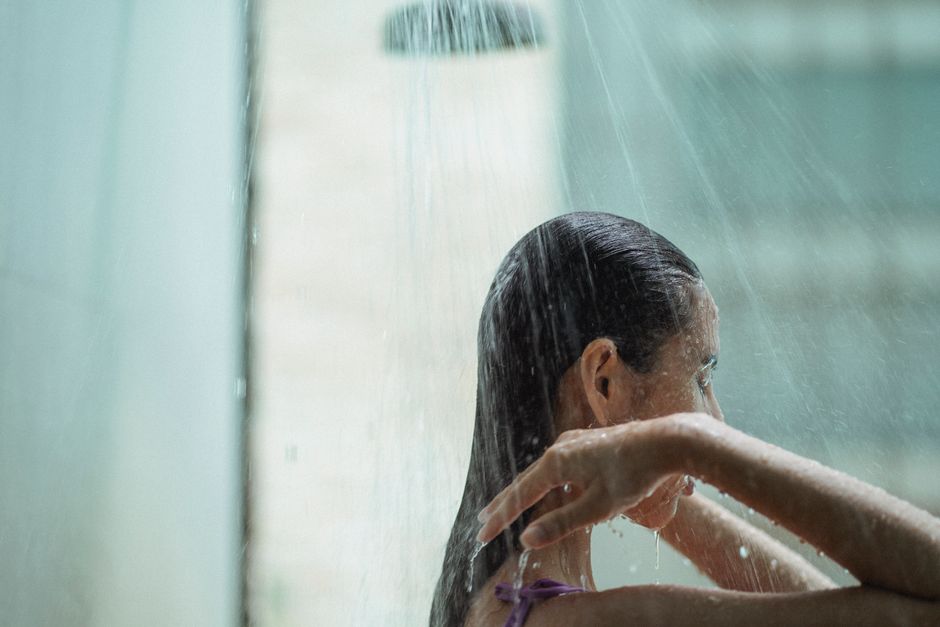
That prickly, maddening itch that starts the moment you step out of a warm shower is a common complaint. For many people, it’s a brief nuisance that fades within minutes. For others, it’s a daily struggle that signals an underlying skin condition. The cause usually comes down to how your skin reacts to water temperature, soap, and the sudden change in moisture. Let’s look at the most common reasons and what you can do about them.
What Causes the Itch After a Shower?
The most frequent culprit is dry skin, a condition known as xerosis. Hot water strips your skin of its natural oils. These oils, called sebum, act as a protective barrier that locks in moisture. When you wash them away with hot water, the skin’s barrier weakens. Water then evaporates quickly from the skin’s surface, leaving it tight, flaky, and itchy.
This effect is worse in winter or in dry climates. Low humidity speeds up water loss from the skin. If you already have a tendency toward eczema or sensitive skin, the effect is amplified. The itch is often most intense on the legs, arms, and torso — areas with fewer oil glands.
Another common cause is a reaction to the products you use. Soaps, body washes, and shampoos contain fragrances, preservatives, and detergents. These ingredients can irritate the skin directly. They can also trigger an allergic reaction in some people. If the itch started after you switched to a new product, that’s a strong clue.
Is It Just Dry Skin or Something Else?
Dry skin is the leading explanation, but it is not the only one. Cholinergic urticaria is a condition where a rise in core body temperature triggers hives and itching. The name comes from the fact that the nervous system chemical acetylcholine is involved. The heat of the shower raises your body temperature, and within minutes small, itchy bumps appear. These hives usually fade within an hour.
Aquagenic pruritus is a rarer condition. It causes intense itching after contact with water of any temperature, without any visible rash. The itch can last from 10 minutes to over an hour. The cause is not fully understood, but it appears to involve a release of histamine or other itch signals in the skin. This condition is different from dry skin because it happens even when the skin is well moisturized.
There is also polycythemia vera, a blood disorder where the body produces too many red blood cells. One of its hallmark symptoms is itching after a warm shower or bath. This is a serious condition, but it is rare. If your post-shower itch is severe, persistent, and accompanied by fatigue, dizziness, or a ruddy complexion, you should mention it to a doctor.
Why Do I Itch After A Shower If I Use Warm Water?
Even warm water, not just hot water, can cause itching. The issue is not always temperature. It is the duration of exposure and the evaporation that follows. When your skin is wet, it absorbs water. As the water evaporates, it pulls moisture from the deeper layers of the skin. This is why a long shower can leave you itchier than a quick rinse.
Hard water is another factor. Hard water contains high levels of calcium and magnesium. These minerals can leave a residue on the skin. This residue can be drying and irritating, especially for people with eczema. Some research suggests that hard water disrupts the skin barrier, making it more sensitive to soaps and detergents.
Chlorine in tap water can also play a role. Chlorine is added to municipal water to kill bacteria. It is a chemical that can strip oils from the skin and cause irritation in sensitive individuals. If you notice the itch is worse after swimming in a chlorinated pool, you may be reacting to chlorine in your shower water too.





How to Stop the Itch
The first step is to change your shower habits. Keep the water temperature warm, not hot. Aim for a temperature that is comfortable but not steaming. Limit your shower to 5–10 minutes. Longer showers mean more oil stripped from your skin.
Choose your cleansers carefully. Look for products labeled “fragrance-free” and “for sensitive skin.” Fragrance is one of the most common contact allergens. Soap-free cleansers, sometimes called syndets, are gentler than traditional bar soaps. They are less likely to disrupt the skin barrier.
Pat your skin dry with a towel. Do not rub. Rubbing removes more moisture and irritates the skin. Within three minutes of stepping out, apply a moisturizer. This is the most important step. A thick cream or ointment works better than a thin lotion. Creams with ceramides help repair the skin barrier. Petroleum jelly is highly effective, though some people find it greasy.
Here are the key steps to reduce post-shower itching:
- Use lukewarm water, not hot.
- Keep showers under 10 minutes.
- Use a gentle, fragrance-free cleanser.
- Pat dry, then moisturize within 3 minutes.
- Apply moisturizer twice daily, not just after showers.
When to See a Doctor
Occasional mild itching after a shower is not a medical emergency. But there are times when you should seek medical advice. If the itching lasts for more than two weeks despite moisturizing and changing your shower routine, see a doctor. If the itch is severe enough to disrupt your sleep, that is another sign.
Seek medical attention sooner if you notice a rash that spreads, blisters, or oozes. These could be signs of an infection or a more serious skin condition. Also, if you have other symptoms like unexplained weight loss, night sweats, or persistent fatigue alongside the itching, mention them to your doctor. These could point to an underlying medical condition.
A dermatologist can diagnose the specific cause. They may prescribe a prescription-strength moisturizer, a topical steroid, or an antihistamine. Antihistamines can help if the itch is driven by histamine release, as in cholinergic urticaria. If polycythemia vera is suspected, a simple blood test can confirm or rule it out.
Does the Type of Water Matter?
If you have hard water, a water softener may help. Water softeners replace calcium and magnesium ions with sodium. Some people with eczema report significant improvement after installing one. The evidence is not definitive, but it is a reasonable option if you have confirmed hard water and persistent itching.
If chlorine is the suspected trigger, a shower filter can reduce chlorine levels. These filters attach to your showerhead and contain activated carbon. They do not remove all chlorine, but they can reduce it. There is limited research on whether these filters meaningfully improve skin symptoms. Some people find them helpful, while others notice no difference.
Bathing in cooler water is another option. A cool or lukewarm shower does not trigger the same histamine response in people with cholinergic urticaria. For aquagenic pruritus, temperature does not matter as much because the trigger is water contact itself, not heat.
Frequently Asked Questions
Why does my skin itch after a shower even when I moisturize?
Moisturizing after a shower helps, but it may not fully fix the problem if the underlying cause is a condition like cholinergic urticaria or aquagenic pruritus. It can also mean your moisturizer is not rich enough for your skin type, or you are waiting too long after the shower to apply it.
Can the soap I use cause itching after a shower?
Yes, soap is a common trigger. Fragrances, preservatives, and harsh detergents in soap can irritate the skin or cause an allergic reaction. Switching to a fragrance-free, soap-free cleanser often resolves the itching.
Is itching after a shower a sign of a serious illness?
In most cases, it is just dry skin or a reaction to heat or products. However, persistent and severe itching can occasionally signal an underlying condition like polycythemia vera or thyroid disease. See a doctor if the itching lasts more than two weeks or is accompanied by other symptoms.
Does hot water kill the bacteria that cause itching?
No, the temperature of a typical shower is not hot enough to kill bacteria on your skin. Hot water mainly strips the skin of protective oils, which can make itching worse. The itch is usually from dryness and irritation, not a bacterial infection.
