
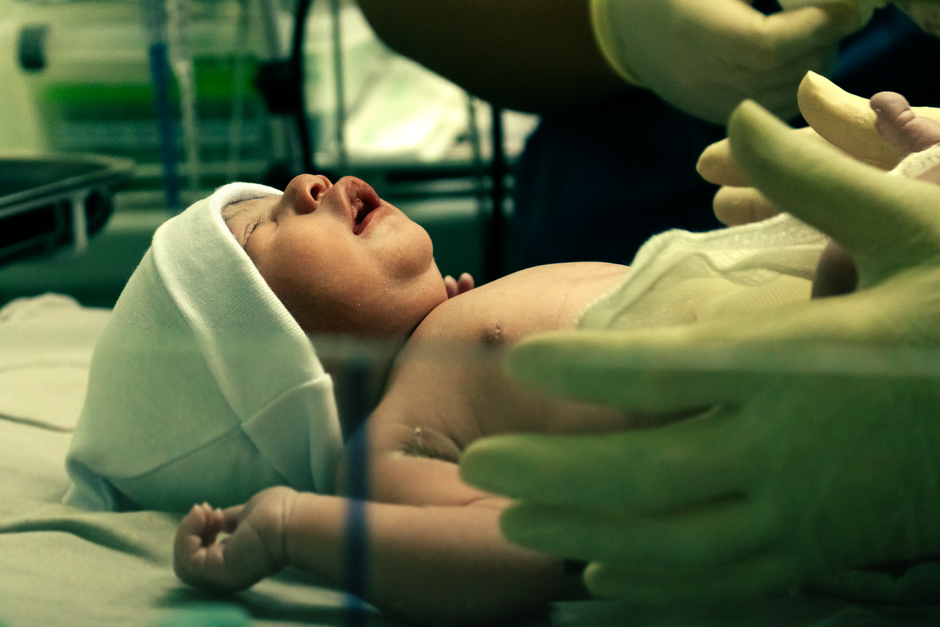
Most newborns can go outside immediately after birth as long as they are dressed appropriately for the weather. There is no medical reason to keep a healthy newborn indoors for a specific number of days or weeks. The real concern is not the outdoor air itself but rather exposure to large crowds, sick people, and extreme temperatures. Let’s walk through what the evidence actually says so you can make a confident decision for your baby.
When Is It Safe to Take a Newborn Outside for the First Time?
It is safe to take your newborn outside from day one. The American Academy of Pediatrics does not set a waiting period. Pediatricians generally agree that fresh air is fine for a healthy full-term baby.
The key factor is your baby’s health and the environment you are entering. If your baby was born full-term and has no medical complications a short walk around the block on a mild day is perfectly fine. Many parents take their babies outside within the first week.
What matters more than the calendar date is how you prepare. Dress your baby in one more layer than you are wearing. Avoid direct sunlight on their skin for the first six months. Keep the outing short if temperatures are extreme. These are the real guidelines that doctors follow.
What About Cold Weather? Can Newborns Go Outside in Winter?
Yes newborns can go outside in cold weather but you need to be careful about temperature extremes. The key is proper clothing not avoiding the cold altogether.
Research from the American Academy of Pediatrics advises against taking newborns outside when the wind chill is below -15°F (-26°C). At these temperatures frostbite can develop on exposed skin within minutes. For most parts of the United States this is a rare concern.
For typical winter weather dress your baby in layers. Start with a cotton onesie then add a fleece sleeper or snowsuit and finish with a warm hat and blanket. A good rule of thumb is that your baby needs one more layer than you do to stay comfortable.
Watch for signs of cold stress. If your baby’s hands and feet feel cold to the touch or if they become fussy and difficult to soothe it is time to go inside. Babies cannot shiver effectively to warm themselves so they rely entirely on you to keep them warm.
Is Direct Sunlight Dangerous for Newborns?
Direct sunlight is dangerous for newborns and should be avoided entirely for the first six months. Their skin has very little melanin and cannot protect itself from UV radiation. A sunburn in a newborn can happen in as little as ten minutes on a bright day.
The American Academy of Dermatology recommends keeping babies under six months out of direct sunlight. This does not mean you cannot go outside. It means you need to use shade umbrellas canopies and protective clothing.
If you are going for a walk use the stroller canopy. If you are sitting in a park find a tree or bring a portable shade. Long sleeves and wide-brimmed hats are better than sunscreen for newborns. When sunscreen is unavoidable use a mineral-based formula with zinc oxide or titanium dioxide and apply it to small areas only.




What Risks Should Parents Watch For When Taking Newborns Outside?
The main risks are not from fresh air but from the situations you encounter during outdoor time. Here are the real concerns backed by evidence:
- Exposure to illness. Newborns have immature immune systems. Avoid crowded indoor spaces like malls restaurants and public transportation. Outdoor gatherings with plenty of space are much lower risk.
- Extreme temperatures. Babies cannot regulate their body temperature well. Heatstroke and hypothermia can develop quickly. Keep outings short when temperatures are below 40°F or above 85°F.
- Sunburn. As discussed earlier direct sun is harmful. Even on cloudy days UV rays can penetrate and damage newborn skin.
- Insect bites. Mosquitoes and ticks can carry diseases. Use baby-safe insect repellent containing picaridin or oil of lemon eucalyptus for babies over two months. For newborns under two months use physical barriers like mosquito netting.
- Car seat safety. If you are driving make sure your baby is properly secured. Never leave a baby in a car seat outside of the vehicle for extended periods especially in warm weather.
These risks are manageable with planning. They are not reasons to keep your baby indoors.
Does Fresh Air Actually Benefit Newborns?
There is no strong clinical evidence that fresh air directly improves newborn health outcomes. The benefits come from what fresh air represents: outdoor activity for the parent and a change of environment for the baby.
The CDC reports that postpartum depression affects about 1 in 8 women in the United States. Short outdoor walks can improve maternal mood and reduce stress. A calm parent is better able to care for their baby. This indirect benefit is real even if it is not a direct medical effect on the infant.
Some parents report that outdoor time helps their baby sleep better. There is no controlled study confirming this for newborns specifically. However exposure to natural light during the day helps regulate circadian rhythms in older infants. For a newborn whose sleep-wake cycle is still developing any routine that includes daytime light exposure may be helpful.
The bottom line is that fresh air is unlikely to harm your baby and may help you as a parent. That alone is reason enough to go outside.
How Long Can a Newborn Stay Outside at a Time?
There is no single answer because it depends on weather conditions and your baby’s comfort. A good starting point is 15 to 20 minutes for a first outing. You can gradually increase the duration as your baby gets older and as you learn their cues.
In mild weather with no direct sun a newborn can comfortably stay outside for 30 to 45 minutes. In hot or cold weather keep it to 10 or 15 minutes. Watch your baby for signs of discomfort. Fussiness lethargy or changes in skin color mean it is time to head back inside.
A comparison table may help you decide:
| Weather Condition | Safe Duration | Key Precautions |
|---|---|---|
| Mild (60-80°F) | 30-45 minutes | Light clothing shade as needed |
| Warm (80-85°F) | 15-20 minutes | Hydration shade avoid midday sun |
| Hot (above 85°F) | Avoid or 5-10 minutes | Air conditioning is safer |
| Cool (40-60°F) | 15-30 minutes | Layers hat warm blanket |
| Cold (below 40°F) | 10-15 minutes | Multiple layers limit exposed skin |
| Freezing (below 20°F) | Avoid if possible | Wind chill is dangerous |
These are general guidelines. Trust your judgment. If you are uncomfortable the temperature is probably not right for your baby either.
When Should You Not Take a Newborn Outside?
There are specific situations where staying indoors is the right call. These include:
- Your baby was born prematurely. Preterm babies have less body fat and weaker immune systems. Your pediatrician may recommend waiting several weeks before outdoor exposure especially in cold weather.
- Your baby has a fever. For newborns under three months a rectal temperature of 100.4°F or higher requires medical attention. Keep them indoors and call your doctor.
- There is an air quality alert. Wildfire smoke high ozone levels or pollution advisories are legitimate reasons to stay inside. Newborns breathe faster than adults and inhale more pollutants per pound of body weight.
- You are in a high-traffic area. Sidewalks next to busy roads expose babies to exhaust fumes. Choose parks quiet streets or nature trails instead.
- You do not feel ready. Postpartum recovery is real. If you are exhausted in pain or emotionally drained do not force yourself to go outside. Your baby is fine indoors for a few more days.
These are exceptions not the rule. Most newborns can go outside safely most of the time.
Frequently Asked Questions
Can I take my newborn outside in the first week?
Yes you can. There is no medical reason to wait. Dress your baby appropriately and avoid crowded places.
Is fresh air good for a newborn’s health?
There is no strong evidence that fresh air directly improves newborn health. The benefits come from outdoor activity for the parent and daytime light exposure.
Can I take my newborn outside in the rain?
Light rain is fine if your baby is under a stroller cover or umbrella. Heavy rain or thunderstorms are best avoided for safety reasons.
When can I take my newborn to a park or playground?
You can take your newborn to a quiet park right away. Avoid busy playgrounds where older children may be sick and avoid direct sun on your baby’s skin.
