
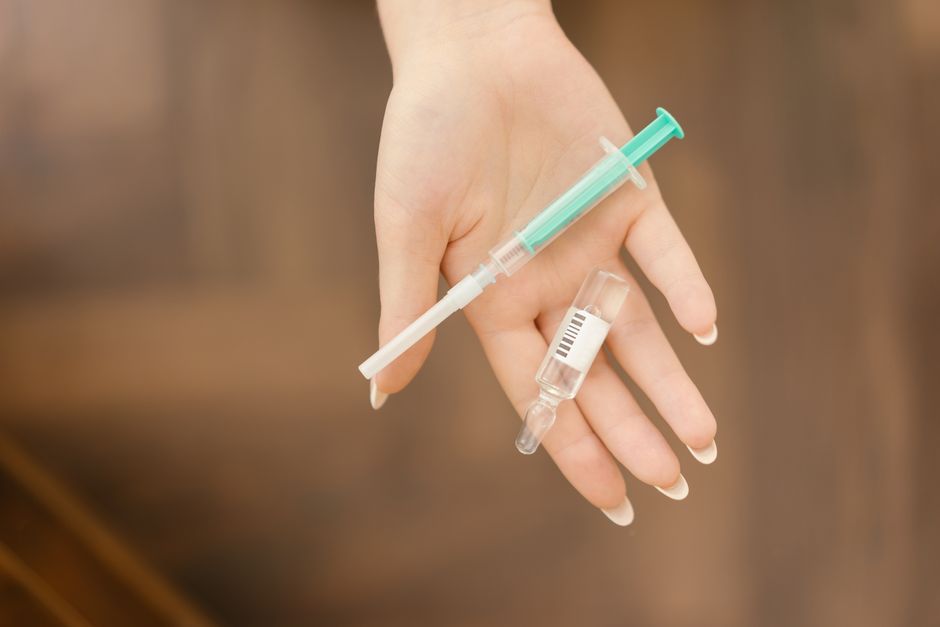
The HPV vaccine does not cause infertility. This is a myth that has been repeatedly studied and debunked by large-scale research. The vaccine is safe and effective at preventing HPV infections that can lead to cervical cancer and other health problems. Getting vaccinated does not harm your ability to have children in the future. In fact, by preventing HPV-related cancers, the vaccine may actually help protect your fertility.
Does the HPV Vaccine Cause Infertility?
No. The HPV vaccine does not cause infertility. This claim has spread online for years, but no reliable evidence supports it. Large studies involving hundreds of thousands of people have found no link between HPV vaccination and infertility in women or men.
The myth likely started from rare reports of certain health issues after vaccination. But correlation is not causation. When researchers compared women who received the HPV vaccine with those who did not, they found no difference in pregnancy rates or time to conceive.
Health agencies like the Centers for Disease Control and Prevention (CDC) and the World Health Organization (WHO) have reviewed the data and concluded that the vaccine is safe. They continue to recommend it for preteens and young adults.
What Is the HPV Vaccine and How Does It Work?
The HPV vaccine protects against human papillomavirus, a common sexually transmitted infection. There are many strains of HPV. Some cause genital warts. Others can lead to cancers of the cervix, throat, and anus.
The vaccines available in the United States, such as Gardasil 9, are made from virus-like particles. These particles are not alive and cannot cause infection. They simply train your immune system to recognize and fight the real virus if you ever encounter it.
Because the vaccine contains no live virus, it cannot cause HPV infection or any disease linked to HPV. It is one of the most thoroughly tested vaccines ever developed.
Where Did the Myth About Infertility Start?
The myth about the HPV vaccine and infertility began circulating on social media and in anti-vaccine communities. It often relied on isolated anecdotes or misinterpreted data.
Some early reports mentioned cases of premature ovarian insufficiency (POI) in girls who had received the vaccine. POI is a condition where the ovaries stop working normally before age 40, which can affect fertility. However, the number of cases reported was no higher than what would be expected in the general population of adolescent girls. Large studies since then have found no increased risk of POI after HPV vaccination.
The confusion likely arose because people linked two unrelated events. For example, a girl might be diagnosed with POI months or years after getting the vaccine, but the timing does not prove the vaccine caused it. Careful scientific investigations have shown no causal link.


What Does the Evidence Say About HPV Vaccine and Fertility?
Multiple large studies have examined the relationship between HPV vaccination and fertility. A study published in the journal Pediatrics followed over 200,000 women and found that HPV vaccination did not affect their ability to get pregnant. Other studies have reported similar results.
Research from Denmark looked at nearly 1 million women and found no difference in pregnancy rates between those who received the HPV vaccine and those who did not. The evidence is consistent and clear.
It is also important to note that HPV infection itself can harm fertility. Cervical cancer and the treatments for it — such as cone biopsies or hysterectomy — can make it harder or impossible to have children. By preventing these cancers, the HPV vaccine may actually preserve fertility.
Does HPV Infection Itself Affect Fertility?
Yes, HPV infection can affect fertility in both women and men. In women, persistent HPV infection can lead to cervical dysplasia and eventually cervical cancer. Treatments for these conditions, including surgical removal of part of the cervix, can weaken the cervix and increase the risk of preterm birth or miscarriage.
In men, some studies suggest that HPV may reduce sperm quality. The virus can attach to sperm cells and decrease their motility. However, the evidence here is less clear, and not all studies agree.
What is well established is that the HPV vaccine prevents the infections that cause these problems. So by getting vaccinated, you are not only protecting yourself from cancer but also potentially protecting your ability to have children in the future.
Is the HPV Vaccine Safe for Teenagers and Young Adults?
Yes. The HPV vaccine is considered very safe. Since it was introduced in 2006, millions of doses have been given in the United States alone. The most common side effects are mild and temporary: pain or redness at the injection site, headache, fever, or fainting (common with any injection in adolescents).
Serious side effects are extremely rare. The vaccine has been monitored by the CDC and the FDA through systems like the Vaccine Adverse Event Reporting System (VAERS). These systems have not found any evidence that the HPV vaccine causes infertility or any long-term health problems.
The recommended age for the HPV vaccine is 11 to 12 years old, but it can be given as early as age 9 and up to age 26 for those who missed it. Catch-up vaccination is also available for some adults up to age 45 after a discussion with their doctor.
Should You Get the HPV Vaccine if You Are Planning to Have Children?
Yes. If you are planning to have children in the future, the HPV vaccine is still recommended. There is no evidence that it affects your ability to conceive or carry a healthy pregnancy.
In fact, the vaccine may help protect your future fertility by preventing cervical cancer and the need for treatments that could harm your reproductive organs. It is especially important to get vaccinated before becoming sexually active, but it is still beneficial afterward.
If you are already pregnant, doctors recommend waiting until after delivery to receive the vaccine. But if you received it before you knew you were pregnant, no harm to the baby has been found. The vaccine is not recommended during pregnancy simply as a precaution because it has not been studied in pregnant women.
Frequently Asked Questions
Can the HPV vaccine cause infertility in women?
No. Large studies have found no link between the HPV vaccine and infertility in women. The vaccine is safe and does not affect your ability to get pregnant.
Is the HPV vaccine safe during pregnancy?
The HPV vaccine is not recommended during pregnancy due to a lack of safety data, not because of known harm. If you receive it before knowing you are pregnant, no problems have been reported.
Does the HPV vaccine cause premature ovarian failure?
No. Research has not found an increased risk of premature ovarian failure (POI) after HPV vaccination. The number of reported cases matches the expected rate in the general population.
Should I get the HPV vaccine if I want to have children later?
Yes. The vaccine does not harm fertility and may protect it by preventing HPV-related cancers and treatments that can affect your ability to have children.
