
Your blood oxygen level tells you how well your body is getting oxygen to your tissues. A normal reading for most healthy people is between 95% and 100% on a pulse oximeter. A level of 94% or lower is considered low and warrants attention. If your oxygen level drops to 90% or below, that is a medical emergency, and you should seek immediate care.
What Do the Numbers on a Pulse Oximeter Mean?
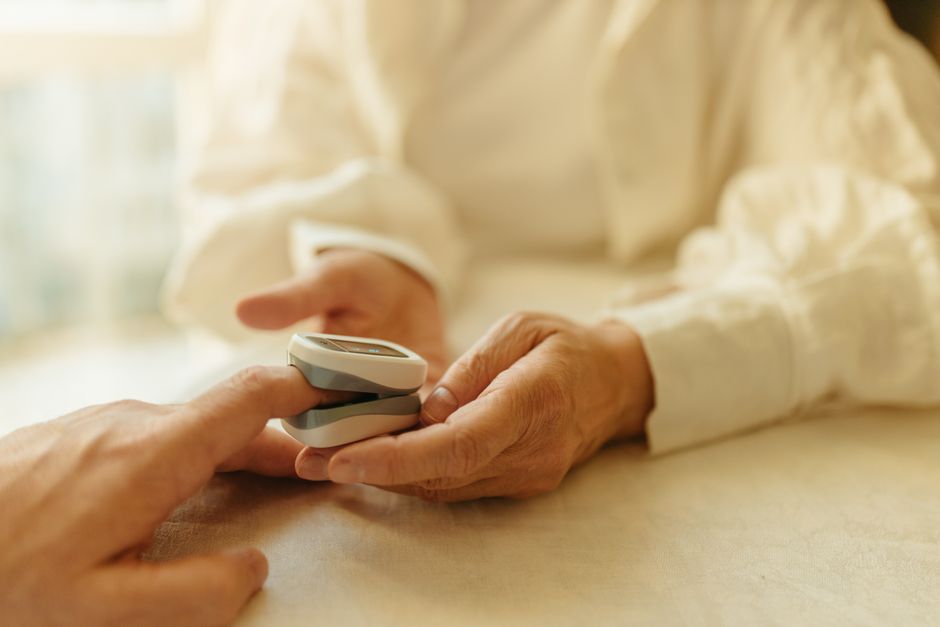
A pulse oximeter is the small clip device placed on your finger. It measures the percentage of hemoglobin in your blood that is carrying oxygen. This is called oxygen saturation, or SpO2.
For most healthy adults, a reading between 95% and 100% is normal. Readings between 91% and 94% are low and should be monitored closely. Readings at or below 90% are critically low and require emergency medical attention.
These numbers are not just arbitrary cutoffs. They reflect how well your lungs are moving oxygen into your blood and how well your heart is circulating that blood. When the number drops, your body’s organs are receiving less oxygen than they need to function properly.
What Oxygen Level Is Too Low for Different People?
For a healthy adult, anything below 95% is cause for concern. For someone with chronic lung disease, the threshold may be different. Some people with conditions like COPD normally run lower oxygen levels, and their doctor may have set a personal target.
If you have a chronic condition, follow the guidance your doctor has given you. If you do not have a specific target, treat 94% or lower as a reason to contact a healthcare provider.
For infants and children, the same general ranges apply. A healthy child should have oxygen levels between 95% and 100%. Any reading below 90% in a child is an emergency.
What Causes Low Oxygen Levels?
Low oxygen levels, called hypoxemia, happen when something interferes with your body’s ability to get oxygen into the blood. The most common causes include:
- Lung conditions such as COPD, asthma, pneumonia, or COVID-19
- Heart conditions that reduce blood flow
- Anemia, which reduces the blood’s ability to carry oxygen
- High altitude, where the air itself has less oxygen
- Sleep apnea, which causes breathing to stop briefly during sleep
Sometimes low oxygen develops suddenly. Other times it builds gradually over months or years. How quickly it develops matters for how you should respond.





What Are the Symptoms of Low Oxygen?
The classic signs of low oxygen include shortness of breath, rapid breathing, and a fast heart rate. You may also experience confusion, headache, or bluish coloring in your lips, fingers, or toes.
One dangerous aspect of low oxygen is that it can be silent. This is sometimes called “silent hypoxia.” Your oxygen level can drop significantly before you feel short of breath. This is why pulse oximeters became widely used during the COVID-19 pandemic — people were arriving at hospitals with dangerously low oxygen levels but did not feel as sick as their numbers suggested.
If you notice any symptoms of low oxygen, check your reading immediately. Do not wait for symptoms to become severe before seeking help.
When Should You Go to the Emergency Room?
An oxygen reading of 90% or below is a medical emergency. Go to an emergency room or call emergency services immediately. Do not wait to see if it improves on its own.
A reading between 91% and 94% is also concerning, especially if you have other symptoms like shortness of breath, chest pain, or confusion. Contact your doctor right away or seek urgent care. If the number continues to drop, go to the emergency room.
If you have a chronic lung condition, your doctor may have told you that a specific lower number is acceptable for you. Even so, a sudden drop from your baseline is a warning sign. A sudden change is more concerning than a stable low reading.
Can a Pulse Oximeter Give Wrong Readings?
Pulse oximeters are generally accurate, but they can give misleading readings. Nail polish, artificial nails, or poor circulation in the fingers can cause inaccurate results. Cold hands can also produce a falsely low reading.
If you get a surprising reading, warm your hands and try a different finger. Wait a minute and check again. If the reading is still low, trust it and seek medical advice.
Skin tone can also affect readings. Some research suggests that pulse oximeters may overestimate oxygen levels in people with darker skin. This means your actual oxygen level could be lower than what the device shows. If you have darker skin and your reading is borderline, treat it with extra caution.
How Is Low Oxygen Treated?
Treatment depends on the cause. Supplemental oxygen is the most direct treatment. It is given through nasal prongs, a mask, or in more severe cases, a ventilator.
Treating the underlying condition is equally important. Antibiotics for pneumonia, bronchodilators for asthma or COPD, or blood thinners for blood clots can all help restore normal oxygen levels.
For mild cases, simply resting and breathing slowly may help. For moderate cases, a doctor may prescribe oxygen therapy at home. For severe cases, hospitalization is required.
Do not try to treat low oxygen at home on your own. Oxygen therapy requires a prescription and proper monitoring. Using oxygen without medical supervision can be dangerous.
Frequently Asked Questions
Is 94 oxygen level normal?
No. A reading of 94% is below the normal range of 95-100% for healthy adults. You should contact a healthcare provider for guidance.
What is a dangerously low oxygen level?
An oxygen saturation of 90% or below is dangerously low and requires immediate emergency medical attention.
Can your oxygen level be low without feeling short of breath?
Yes. This is called silent hypoxia, and it can happen with conditions like COVID-19. Your oxygen can drop significantly before you feel any symptoms.
How can I raise my oxygen level quickly?
If your level is low, sit upright, take slow deep breaths, and seek medical care. Emergency treatment with supplemental oxygen is the only reliable way to raise a critically low level.
