
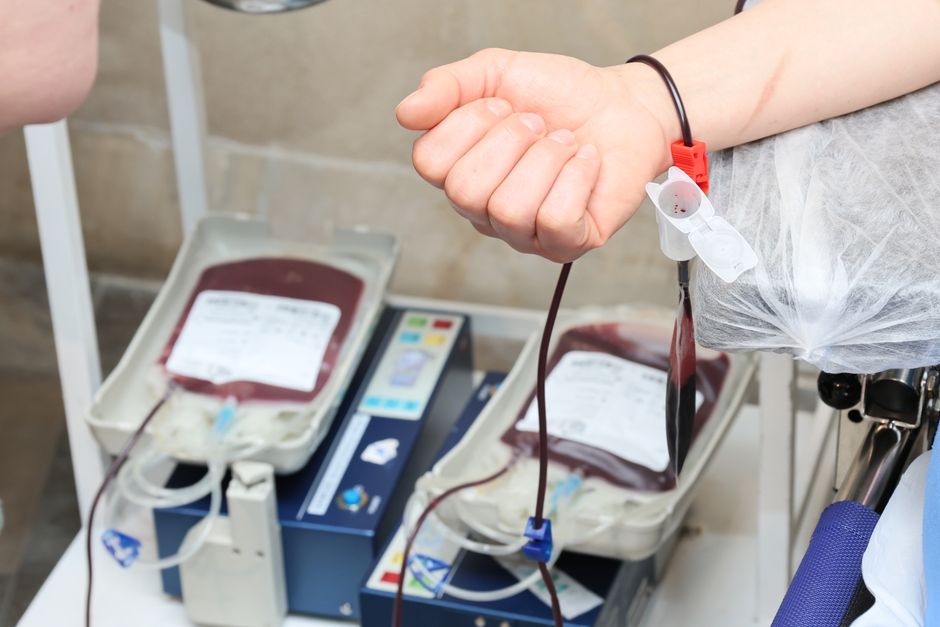
Giving blood is one of the most direct ways to help another person, and for many donors the hardest part is simply figuring out whether they qualify today. In the United States, most people can donate whole blood if they are at least 16 or 17 years old (depending on the state), weigh at least 110 pounds, and feel well on the day of donation. The actual collection takes about 8 to 10 minutes, though you should plan on roughly an hour for the whole visit, including screening and recovery. Wait times between donations depend on what you give: whole blood every 56 days, platelets every 7 days up to 24 times a year, and plasma every 28 days.
What Are the Basic Requirements to Give Blood?
Blood centers screen every donor against a set of health and safety criteria before collection. These rules exist to protect two people: the recipient, who needs safe blood, and you, the donor, who needs to remain healthy after giving.
The core requirements for whole blood donation in the US are consistent across most centers:
- Age: At least 16 or 17, depending on state law. Donors under 18 usually need signed parental consent.
- Weight: At least 110 pounds. This is tied to your total blood volume and how much can be safely removed.
- Health: You should feel well and be free of infection on donation day.
- Hemoglobin: A finger-stick test checks your red blood cell level. The minimum is typically 12.5 g/dL for women and 13.0 g/dL for men.
- Identification: A government-issued photo ID or two other forms of identification.
Age and weight matter because they correlate with blood volume. A smaller person has less circulating blood, and removing a standard unit — about 450 to 500 milliliters, roughly one pint — takes a larger share of their total. That is why the 110-pound threshold exists rather than a lower one.
The hemoglobin check is not a formality. Donating with low hemoglobin can leave you anemic and unwell, and it also means the blood may not help the recipient as intended. If your level falls short, the center will typically ask you to wait and try again later.
When Can I Give Blood Again After Donating?
The wait between donations is set by how long your body needs to replace what was taken. Different components recover at different speeds, which is why the intervals vary so much.
For whole blood, the standard interval is 56 days, or eight weeks. That gap allows your body to rebuild red blood cells and restore normal iron levels. Red cell production is a slow process, and donating too frequently can gradually deplete your iron stores even if your hemoglobin looks acceptable on the day.
Platelet donation works differently. Platelets are separated from your blood, and the rest is returned to you. Because your platelet count recovers quickly, you can donate platelets as often as every 7 days, up to 24 times in a 12-month period. Plasma donation, which also returns your red cells, has a minimum interval of 28 days.
Here is a comparison of the common donation types and their typical wait times:
| Donation Type | Minimum Wait Between Donations | Approximate Collection Time |
|---|---|---|
| Whole blood | 56 days (8 weeks) | 8-10 minutes |
| Platelets (apheresis) | 7 days, up to 24 times per year | 1.5-2.5 hours |
| Plasma (apheresis) | 28 days | About 45 minutes to 1 hour |
| Double red cells | 112 days (16 weeks) | About 30 minutes |
Double red cell donation removes two units of red cells and returns the plasma and platelets. Because more red cells are lost, the recovery period is longer — 112 days. These figures are standard across major US blood collection organizations, though a specific center may apply its own scheduling rules.
What Can Delay or Disqualify You From Donating?
Several temporary and permanent conditions affect eligibility. Many would-be donors are turned away for reasons that resolve within days or weeks, so a deferral is often not the end of the road.
Common temporary deferrals include:
- Recent illness: A cold, flu, or active infection means waiting until you have recovered.
- Low iron or anemia: Deferred until hemoglobin returns to the minimum level.
- Recent travel: Some destinations carry infection risks that require a waiting period.
- Certain medications: Some drugs, including certain antibiotics and blood thinners, require a pause before donating.
- Pregnancy: Women are typically deferred during pregnancy and for a period afterward.
- Tattoos or piercings: A waiting period may apply if they were done in a facility that does not meet state licensing standards.
Permanent or long-term deferrals can apply to certain infectious diseases, some cancers, and specific medical histories. The rules here are detailed and updated periodically, so the most reliable source is the blood center you plan to visit.
One point worth clarifying: the eligibility questionnaire is not a judgment about your health or character. It is a risk-reduction tool built from population-level data. Many people who are perfectly healthy are deferred for reasons that have nothing to do with their own well-being.



How Should You Prepare Before Donating?
Preparation affects how you feel during and after donation. Most of the discomfort donors report — lightheadedness, fatigue, a racing pulse — can be reduced with a few simple steps in the hours before your appointment.
Drink extra water starting the day before. Being well hydrated helps maintain your blood pressure during the draw and lowers the chance of feeling faint. Eat a normal meal within a few hours of donating, and avoid skipping breakfast or lunch on donation day.
Iron-rich foods in the days before and after donation can help your body rebuild red blood cells. Good sources include lean red meat, poultry, beans, lentils, spinach, and iron-fortified cereals. Vitamin C helps your body absorb iron from plant sources, so pairing them is useful.
Avoid heavy exercise immediately before or after donating. Your body is down about a pint of blood, and strenuous activity in the hours afterward can make dizziness worse. Plan to take it easy for the rest of the day.
Tell the staff about any medications you take, including over-the-counter drugs. Some affect eligibility, and the screening staff can advise you directly.
How Long Does a Blood Donation Appointment Take?
Plan on about an hour from arrival to departure for a whole blood donation. The needle is in your arm for only 8 to 10 minutes, but the visit includes registration, a health questionnaire, a mini-physical, the donation itself, and a short rest period with snacks and fluids afterward.
Apheresis donations take considerably longer. Platelet donation can run from 90 minutes to 2.5 hours, depending on your platelet count and the machine used. Plasma donation is shorter, usually under an hour of collection time. Add screening and recovery time on top of that.
You can usually drive yourself home after donating, provided you feel well. If you feel lightheaded, sit and rest before leaving. The center will not send you out if you are unsteady.
Who Should Not Give Blood?
Some people should not donate because the risk to the recipient or to themselves is too high. This is not about whether you are a good person — it is about protecting both sides of the transfusion.
You should generally not donate if you have an active infection, are currently anemic, or have certain chronic conditions that make blood removal unsafe. Some infectious diseases, including HIV and certain forms of hepatitis, are permanent disqualifiers. A history of specific cancers or organ transplants may also lead to a permanent deferral.
If you are unsure whether you qualify, the fastest path is to call the blood center or check their eligibility guidelines before booking. Many centers offer a confidential pre-screening so you can find out without committing to an appointment.
The rules around eligibility do change over time as testing improves. If you were deferred years ago, it is worth checking again — some past restrictions have been revised.
Frequently Asked Questions
How soon can I donate blood again after giving whole blood?
The standard wait is 56 days, or eight weeks, between whole blood donations. This allows your body to rebuild red blood cells and restore iron levels.
Can I donate blood if I weigh less than 110 pounds?
No, the 110-pound minimum is standard in the US because it relates to your total blood volume. Donating below that weight risks taking too large a share of your circulating blood.
What is the minimum hemoglobin level to donate blood?
The typical minimum is 12.5 g/dL for women and 13.0 g/dL for men, checked by a finger-stick test at the center. If your level is below that, you will be asked to wait and try again later.
How long does a whole blood donation take from start to finish?
Plan on about an hour for the entire visit, though the actual collection takes only 8 to 10 minutes. The rest of the time covers registration, screening, and a short recovery period.
