
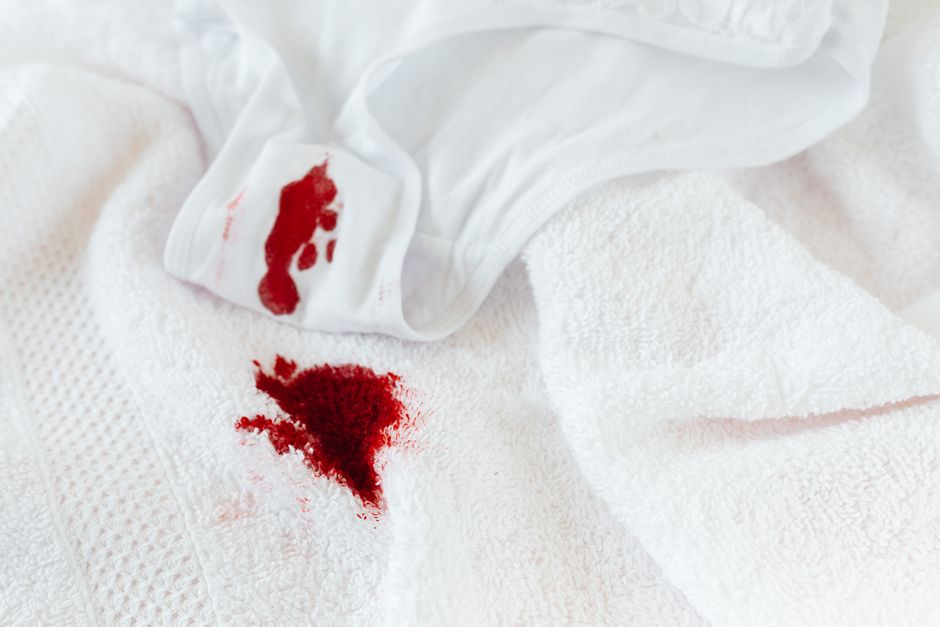
Blood stains on clothes look alarming, but they are usually fixable. The key is to act quickly and use the right method. Cold water is your best friend for fresh blood stains. Hot water will set the protein in the blood, making the stain permanent. For most fabrics, you can remove blood by rinsing with cold water, applying a simple enzyme-based stain remover, and washing as usual.
Why Is Blood So Hard to Get Out of Fabric?
Blood contains a protein called hemoglobin. When blood dries, this protein binds tightly to fabric fibers. Heat makes this binding stronger. That is why hot water or a hot dryer can permanently set a blood stain.
Enzymes break down these proteins. Many laundry detergents contain enzymes that target protein-based stains. This is why enzyme-based detergents are often the most effective choice for blood stains. The enzyme breaks the protein into smaller pieces, which then rinse away with water.
Fabric type also matters. Smooth, non-porous fabrics like polyester are easier to clean. Natural fibers like cotton and linen absorb blood quickly and can be harder to treat. Delicate fabrics like silk and wool require gentler methods.
How To Remove Blood Off Clothes: Step-by-Step
Start as soon as you notice the stain. Fresh blood is much easier to remove than dried blood. The longer blood sits, the more it bonds with the fibers.
Follow these steps for most washable fabrics:
- Rinse with cold water. Hold the stained area under a running cold tap. The water pressure helps push blood out of the fibers. Do not use warm or hot water.
- Soak in cold water. Fill a basin or sink with cold water. Submerge the garment and let it soak for 30 to 60 minutes. Change the water if it turns red.
- Apply a stain remover. Use a liquid laundry detergent or a stain remover with enzymes. Gently rub it into the stain with your fingers or a soft brush.
- Let it sit. Allow the product to work for 10 to 15 minutes. Do not let it dry on the fabric.
- Wash normally. Wash the garment in the washing machine using cold water. Check the stain before drying.
- Air dry. If any stain remains, do not put the item in the dryer. Heat will set the remaining stain. Repeat the treatment instead.
Never put a garment in the dryer until the stain is completely gone. Once heat sets a protein stain, it is nearly impossible to remove.
What Works for Dried Blood Stains?
Dried blood requires a longer soak. The goal is to rehydrate the protein so it can be broken down. Cold water alone may not be enough.
Soak the garment in cold water with a small amount of enzyme detergent. Some people add a little salt to the water, which may help draw out the blood. Let the garment soak for several hours or overnight. Then follow the same steps: apply stain remover, wash in cold water, and air dry.
For very stubborn dried stains, you can try a paste made from cold water and a powdered enzyme detergent. Apply the paste directly to the stain and let it sit for 30 minutes before washing. This gives the enzymes more time to break down the protein.
Hydrogen peroxide is sometimes recommended for dried blood. It works by releasing oxygen that lifts the stain. However, hydrogen peroxide can bleach or discolor certain fabrics, especially darker colors. Test it on an inconspicuous area first. Use a 3% solution, which is the standard household strength, and never leave it on fabric for more than a few minutes.




How To Remove Blood From Delicate Fabrics
Silk and wool need gentler handling. Harsh chemicals and vigorous scrubbing can damage these fibers. The enzyme approach still works but requires more care.
For silk, use a mild detergent or a product specifically designed for delicates. Mix it with cold water and gently dab the stain. Do not rub or wring the fabric. Rinse thoroughly and lay flat to dry.
For wool, the same gentle approach applies. Avoid hydrogen peroxide and bleach, which can damage wool fibers. Cold water and a mild enzyme detergent are your safest options. If the stain persists, consider taking the garment to a professional cleaner.
A professional cleaner is also the right choice for expensive or irreplaceable items. They have solvents and techniques that are not available at home. If you are unsure about a fabric, check the care label or consult a professional.
Common Mistakes That Set Blood Stains
Several common mistakes make blood stains worse. Avoiding them improves your chances of full removal.
Using hot water. Heat coagulates the protein in blood, binding it to the fabric. Always use cold water for blood stains.
Using the dryer too soon. If any trace of the stain remains, the dryer will set it permanently. Always air dry until you are certain the stain is gone.
Scrubbing aggressively. Rubbing can push blood deeper into the fibers and damage the fabric. Use gentle dabbing or pressing motions instead.
Applying heat to dry the stain. Some people use a hair dryer to speed up drying. This sets the stain just like a dryer would.
Using bar soap on dried blood. Plain bar soap can actually bind to the protein and make the stain harder to remove. Enzyme-based liquid detergents are more effective.
Does Salt Really Remove Blood Stains?
Salt is a common home remedy for blood stains. The idea is that salt creates a concentration gradient that draws blood out of the fabric. Some people report success with this method, but clinical evidence is limited.
Salt may help with fresh stains when combined with cold water. Make a thick paste of salt and cold water, apply it to the stain, and let it sit briefly before rinsing. This is worth trying because salt is cheap and unlikely to damage fabric.
However, salt is not a substitute for enzyme-based detergents. If salt alone does not remove the stain, follow up with a proper enzyme treatment. There is no strong research showing that salt is more effective than standard stain removal methods.
When To Give Up and See a Professional
Some blood stains cannot be removed at home. This is especially true for stains that have been heat-set or have been on the fabric for a long time. Older stains may require professional solvents that are not available to consumers.
If you have tried cold water, enzyme detergent, and a long soak without success, a professional cleaner may be able to help. They have access to stronger solvents and specialized equipment. This is often worth the cost for expensive garments.
For everyday clothing, there is a limit to how many times you should treat a stain. Repeated chemical treatments can damage the fabric. If the stain does not lift after two or three attempts, consider whether the garment is worth more professional care.
Frequently Asked Questions
Does hot water set blood stains?
Yes. Heat causes the proteins in blood to bind permanently to fabric fibers. Always use cold water for blood stains.
Can I use hydrogen peroxide on blood stains?
Hydrogen peroxide can lift blood stains, but it may bleach or discolor some fabrics. Test on a hidden area first and use a 3% solution for only a few minutes.
How long can you soak blood-stained clothes?
Fresh stains need 30 to 60 minutes. Dried stains may need several hours or overnight in cold water with an enzyme detergent.
Is dried blood impossible to remove?
No, but it is harder. Soaking in cold water with enzyme detergent for several hours can rehydrate and break down the dried protein.
