
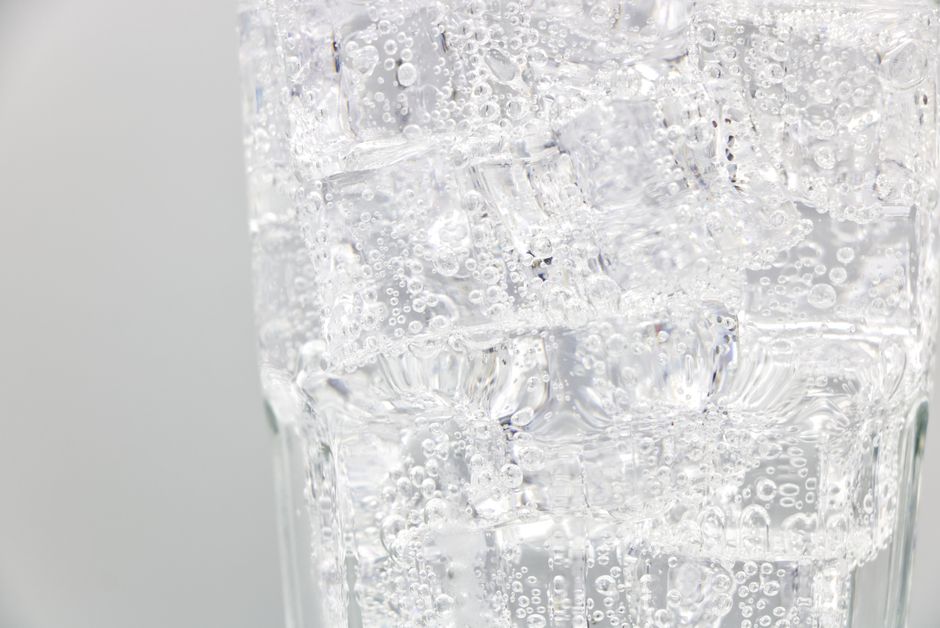
Carbonated drinks are off the table for at least the first 72 hours after wisdom tooth removal. Most oral surgeons recommend waiting a full seven days before drinking soda, sparkling water, or any carbonated beverage. The bubbles and acidity can dislodge the protective blood clot and slow your healing, so the safer choice is to stick with flat, room-temperature liquids during the first week.
Why Carbonation Is a Problem After Wisdom Tooth Extraction
The main risk is dry socket. After your tooth is removed, a blood clot forms in the empty socket. That clot protects the bone and nerve endings underneath while new tissue grows. If the clot comes out too early, the bone is exposed to air, food, and fluids. That condition is called dry socket, and it is genuinely painful.
Carbonation creates two problems. First, the fizzy bubbles create pressure in your mouth. That pressure can loosen or dislodge the blood clot. Second, most carbonated drinks are acidic. Acid can irritate the wound and slow the healing process. Even plain sparkling water has carbonic acid, which is mild but still not ideal for a fresh wound.
The suction motion of drinking from a bottle or straw makes things worse. Suction creates negative pressure in your mouth, which can pull the clot right out of the socket. That is why straws are completely banned for the first week after extraction, regardless of what you are drinking.
What the First 72 Hours Look Like
For the first three days, your only drinks should be water, mild broth, or diluted juice. All fluids should be at room temperature or cooler. Hot drinks can increase swelling and promote bleeding, so skip coffee and tea for the first day or two.
Do not swish or spit forcefully. Let liquids flow into your mouth and swallow normally. If you need to clear your mouth, tilt your head side to side and let the liquid fall out over the sink. This sounds awkward, but it protects the clot.
Many people ask about sports drinks or electrolyte beverages. These are fine if they are not carbonated. Just avoid anything with ice, because the cold can be uncomfortable and the act of crunching ice is dangerous for the surgical site.
Days 4 to 7: The Transition Period
By day four, the initial healing is underway. The blood clot is more firmly attached, and the risk of dry socket decreases significantly. However, the socket is still an open wound. The tissue is fragile, and the area is not fully closed.
Some surgeons allow carbonated drinks after day four if you are healing well. Others prefer you wait the full week. Follow the specific instructions your surgeon gave you. If they did not give clear guidance, the conservative approach is to wait until day seven.
If you do introduce carbonation around day four or five, take precautions. Pour the drink into a glass and let it go slightly flat first. Sip slowly from the side of your mouth opposite the extraction site. Do not use a straw. Do not gulp. And rinse your mouth gently with water afterward to wash away the acid and sugar.



When Is It Safe to Use a Straw Again?
Straws are a separate issue from carbonation. Even flat liquids through a straw can cause problems because of the suction. Most oral surgeons recommend avoiding straws for at least seven days. Some recommend two weeks.
The suction from a straw is strong enough to pull a blood clot out of the socket, even after several days of healing. The clot is not fully replaced by new tissue until about two weeks after surgery. Until that happens, the socket remains vulnerable to suction pressure.
If you are wondering whether you can have a carbonated drink without a straw, the answer is yes after the first week. But if you are planning to use a straw, wait until your surgeon confirms your socket is healing properly at your follow-up appointment.
Signs of Dry Socket You Should Not Ignore
Dry socket usually starts two to four days after the extraction. The most obvious sign is severe pain that does not improve with pain medication. The pain often radiates from the socket to your ear, eye, or jaw on the same side of your face.
Other signs include an empty-looking socket, a bad taste in your mouth, or a foul odor. You may also see the bone where the clot should be. If you experience any of these symptoms, contact your oral surgeon right away.
Dry socket does not heal on its own. It requires a dental professional to clean the socket and place a medicated dressing. The dressing usually relieves pain quickly, and the socket heals over the following week or two.
If you drank carbonation and are now worried, do not panic. Not everyone who drinks carbonated beverages after extraction develops dry socket. But if you have pain that is getting worse instead of better, call your surgeon. Do not wait to see if it resolves on its own.
What You Can Drink Instead
Water is always the safest choice. It keeps you hydrated without irritating the wound. Room-temperature water is best for the first day or two.
Broth is another good option. It provides some calories and electrolytes. Make sure it is not too hot. Warm is fine, but hot can increase swelling.
Milk and plant-based milks are generally fine. They are not acidic and do not contain carbonation. Just be aware that dairy can be thick and may coat the wound. Rinse gently with water after drinking milk if it feels unpleasant.
Smoothies are popular after oral surgery, but they come with a warning. Do not use a straw. Eat the smoothie with a spoon. Also, avoid seeds from berries or other fruits, because seeds can get lodged in the socket and cause infection.
Diluted fruit juice is acceptable, but citrus juices can sting. Apple juice and grape juice are milder. Dilute them with water to reduce the acid content.
How Long Until the Socket Is Fully Healed?
Complete healing takes several weeks. The gum tissue closes over the socket in about two to three weeks. The bone underneath continues to remodel for several months. During the first two weeks, the area is still vulnerable to irritation and infection.
Carbonated drinks are not the only thing to avoid during this period. Spicy foods, crunchy foods, and anything that requires significant chewing should also be avoided. Stick to soft foods like mashed potatoes, yogurt, scrambled eggs, and oatmeal for the first week.
Alcohol is also off limits for at least the first week. Alcohol can interfere with blood clotting and may interact with pain medications. Some surgeons recommend avoiding alcohol for two weeks to be safe.
Frequently Asked Questions
Can I drink sparkling water after wisdom teeth removal?
No, not during the first week. Sparkling water has carbonation and mild acidity, both of which can irritate the healing socket and increase the risk of dry socket.
What happens if I accidentally drink soda after wisdom teeth removal?
One accidental sip is unlikely to cause serious harm, but stop drinking it immediately. Watch for increasing pain over the next few days, and contact your surgeon if pain worsens or does not improve.
Can I drink carbonation on day 5 after wisdom teeth removal?
Some surgeons allow it if healing is progressing well, but the safer choice is to wait until day seven. If you do drink carbonation, let it go flat first and sip slowly without a straw.
When can I drink from a straw after wisdom teeth removal?
Wait at least seven days, and ideally two weeks. The suction from a straw can dislodge the blood clot even after a week of healing, leading to dry socket.
