
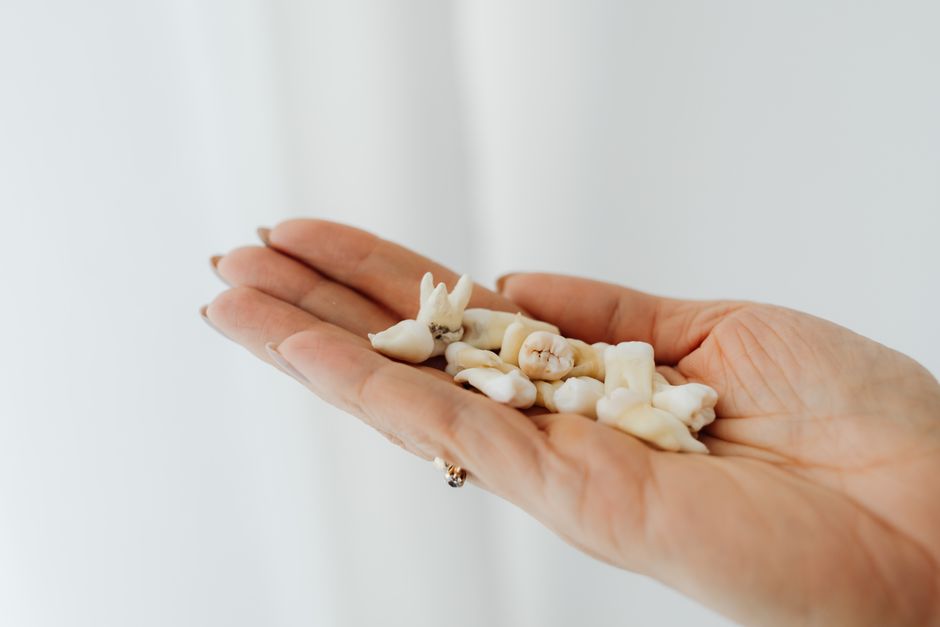
Most children lose all 20 baby teeth by age 12. The process usually starts around age 6 when the first tooth becomes loose. The order follows a fairly predictable pattern, though every child’s timeline is slightly different.
Baby teeth are also called primary teeth. They hold space in the jaw for the permanent teeth that will eventually replace them. When a permanent tooth is ready to come in, the root of the baby tooth dissolves and the tooth falls out.
How Many Baby Teeth Do You Lose in Total?
Children have 20 baby teeth in total. All 20 of them will fall out. That includes 10 on the top and 10 on the bottom.
The breakdown is simple: four incisors on top, four incisors on the bottom, two canines on top, two canines on the bottom, and eight molars total — four on top and four on the bottom. Every single one of these will be replaced by a permanent tooth.
Some parents wonder if molars are lost too. Yes. The first molars and second molars are baby teeth. They fall out just like the front teeth do, usually between ages 9 and 12.
When Do Baby Teeth Start Falling Out?
The first baby teeth typically fall out around age 6. The lower central incisors — the two bottom front teeth — are usually the first to go.
Shortly after, the upper central incisors follow. The pattern generally moves from the front of the mouth toward the back.
Here is the typical order and timing:
- Central incisors — around ages 6 to 7
- Lateral incisors — around ages 7 to 8
- First molars — around ages 9 to 11
- Canines — around ages 9 to 12
- Second molars — around ages 10 to 12
Girls often lose teeth slightly earlier than boys. This is normal and not a cause for concern.
When Is the Last Baby Tooth Lost?
The last baby teeth to fall out are the second molars. These are the teeth farthest back in the mouth. Most children lose them between ages 10 and 12.
By age 12, most children have all 20 baby teeth gone. The permanent teeth that replace them are called the 12-year molars. These are not replacements for baby teeth — they are entirely new teeth that come in behind the second molars.
If a child still has a baby tooth after age 13, a dentist should evaluate it. Sometimes a permanent tooth is missing or blocked, and the baby tooth remains in place. This is uncommon but it does happen.





What If a Baby Tooth Falls Out Too Early?
Baby teeth can be lost early due to injury or decay. When this happens before the permanent tooth is ready, the neighboring teeth may drift into the empty space.
This shifting can crowd the permanent tooth when it eventually tries to come in. In some cases, a dentist may recommend a space maintainer. This is a small device that holds the gap open until the permanent tooth is ready to erupt.
Space maintainers are common and generally well tolerated. They are not needed in every case. A dentist will assess the situation and decide if one is necessary.
If a baby tooth is knocked out from trauma, contact a dentist promptly. Do not try to push it back into the socket. Keep the tooth in milk or saliva and bring it to the dental office.
What If Baby Teeth Are Late Falling Out?
Some children lose their first tooth at age 7 or even 8. This is often within the normal range. The timing depends on genetics and individual development.
If no teeth have been lost by age 8, a dental evaluation is reasonable. The dentist can take an X-ray to check whether the permanent teeth are developing underneath.
Occasionally, a permanent tooth is congenitally missing. This means the tooth never formed. In this case, the baby tooth may stay in place for many years, sometimes into adulthood. Some people keep one or more baby teeth for life.
Delayed loss can also be caused by crowding or an abnormal position of the permanent tooth. An X-ray will usually reveal the cause.
What Happens When a Baby Tooth Is Loose?
A loose baby tooth does not usually require intervention. Letting it fall out naturally is the safest approach.
Wiggling the tooth gently is fine. Pulling it forcefully is not recommended. If the tooth is not ready, pulling can break the root or damage the gum tissue.
Some bleeding is normal when the tooth comes out. Applying gentle pressure with a clean cloth usually stops it quickly. The empty socket may bleed for a few minutes.
After the tooth falls out, the permanent tooth usually appears within a few months. It may look larger and slightly more yellow than the baby teeth around it. This is normal. Permanent teeth have more dentin, which gives them a yellower shade.
How Many Teeth Do Adults Have?
Adults normally have 32 teeth. This includes the 20 that replace the baby teeth plus 12 molars that do not replace anything.
The four wisdom teeth are the last to come in. They typically erupt between ages 17 and 25. Many people do not have enough room in their jaw for wisdom teeth, which is why they are often removed.
Some adults have fewer than 32 teeth. Some people never develop wisdom teeth at all. Others have missing permanent teeth due to genetics.
The key difference is that baby teeth are temporary. Permanent teeth are meant to last a lifetime with proper care.
How to Care for Baby Teeth
Baby teeth matter even though they fall out. They help children chew, speak, and smile. They also hold space for permanent teeth.
Brush twice a day with a fluoride toothpaste. For children under 3, use a rice-sized amount. For children 3 to 6, use a pea-sized amount.
Flossing should begin when two teeth touch. This usually happens around age 2 or 3. Parents should help with brushing and flossing until the child has the dexterity to do it well — often around age 8.
Regular dental visits should start by age 1 or within 6 months of the first tooth appearing. These visits help catch problems early.
Cavities in baby teeth are common. They are also treatable. Leaving them untreated can cause pain, infection, and damage to the developing permanent teeth underneath.
Frequently Asked Questions
How many baby teeth do children lose?
Children lose all 20 baby teeth. This includes incisors, canines, and molars on both the top and bottom.
At what age do kids start losing teeth?
Most children lose their first tooth around age 6. The lower front teeth usually come out first.
When is the last baby tooth lost?
The last baby teeth, the second molars, are typically lost between ages 10 and 12.
Is it normal for a 7-year-old to have no loose teeth?
Yes, this can be normal. Some children do not lose their first tooth until age 7 or 8. If no teeth are lost by age 8, a dental check is reasonable.
