
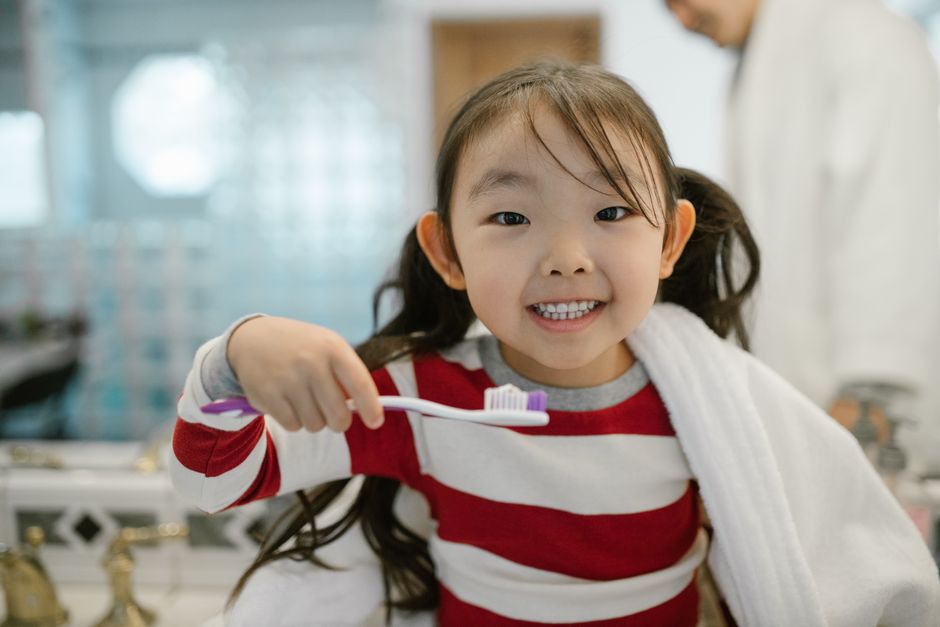
Start brushing your baby’s teeth as soon as the first tooth appears, which is usually around 6 months of age. You do not need to wait until more teeth come in or until your child is older. Use a soft, infant-sized toothbrush and a tiny smear of fluoride toothpaste no bigger than a grain of rice.
Why Start Brushing So Early?
Baby teeth matter even though they eventually fall out. They hold space for permanent teeth and help your child chew and speak clearly. Cavities in baby teeth can cause pain and infections that affect the developing adult teeth underneath.
Early brushing also builds a habit. A child who accepts brushing at 6 months is far easier to manage at 2 years old. Waiting until a child is older often leads to resistance and struggle.
When Exactly Should You Begin?
The rule is simple: brush from the first tooth. For most babies, that happens between 6 and 10 months. Some babies get their first tooth at 4 months. Others wait until 12 months. The timing of the first tooth does not matter. What matters is that brushing starts the day that first tooth breaks through the gum.
Before the first tooth appears, you can wipe your baby’s gums with a clean, damp washcloth after feedings. This removes bacteria and gets your baby used to having something in their mouth. But it is not a substitute for brushing once teeth exist.
How Much Toothpaste Should You Use?
For children under 3 years old, use a smear of fluoride toothpaste about the size of a grain of rice. This tiny amount is safe if swallowed, which infants inevitably do. The fluoride is important because it prevents cavities and strengthens enamel as the teeth erupt.
For children aged 3 to 6, use a pea-sized amount. At this age, most children can learn to spit rather than swallow, though supervision is still necessary. Fluoride toothpaste is the single most effective tool for preventing cavities in children.



How Often Should You Brush Infant Teeth?
Brush twice a day: once in the morning and once before bed. The bedtime brushing is the more important one because saliva production drops during sleep, leaving teeth more vulnerable to acid damage. Do not let your baby go to bed with a bottle of milk, formula, or juice. The sugar in these liquids pools around the teeth overnight and causes severe early childhood cavities.
Each brushing session should last about two minutes. That may feel long for a baby, and that is fine. Do what you can. The goal is to clean all surfaces of every tooth that has erupted, including the gumline.
What Type of Toothbrush Is Best for Infants?
Choose a toothbrush designed for infants. These have a small head that fits comfortably in a baby’s mouth and extra-soft bristles that will not damage delicate gums. The handle should be thick enough for you to grip easily while brushing your child’s teeth.
Replace the toothbrush every 3 months or sooner if the bristles look frayed. If your baby gets sick, replace the toothbrush after they recover. A silicone finger brush can work for very young babies, but a real toothbrush is more effective once teeth have emerged because it reaches the surfaces better.
Do You Need to Floss Infant Teeth?
Flossing becomes necessary when two teeth touch each other. For most children, this happens between ages 2 and 3. Before that point, the gaps between baby teeth are usually wide enough that a toothbrush can clean all sides of each tooth.
If your child’s teeth come in close together earlier, ask your pediatric dentist when to start flossing. They can look at your child’s specific spacing and give you a clear answer. When flossing does start, use floss picks designed for children or a soft floss holder to make it easier.
When Should Your Child See a Dentist?
The American Academy of Pediatric Dentistry and the American Dental Association both recommend that a child see a dentist by their first birthday or within 6 months of the first tooth appearing, whichever comes first. This visit is not mainly about treatment. It is about establishing a dental home and getting guidance specific to your child.
At this first visit, the dentist will check for early signs of decay, discuss fluoride needs, and review your brushing and feeding habits. It also helps your child become comfortable with the dental office before any problems develop. Children who visit the dentist early tend to have less dental anxiety later.
What If Your Baby Fights Brushing?
Resistance is normal. Many infants do not enjoy having something in their mouths. Stay calm and keep the sessions short. Sing a song, make it a game, or let your baby hold a second toothbrush while you brush with the first one.
If your baby bites down on the brush, let them. Keep the brush in place until they release, then continue. Never force the brush into a screaming child’s mouth. Stop, comfort them, and try again later. Consistency matters more than perfection. A 30-second brushing is better than no brushing.
What About Fluoride-Free Toothpaste?
Fluoride-free toothpaste is widely sold and marketed for babies. It cleans the teeth but does not protect against cavities the way fluoride does. The American Dental Association recommends fluoride toothpaste for all children, starting with the first tooth. The grain-of-rice amount is safe even for babies who swallow it.
If you live in an area without fluoridated water, fluoride toothpaste becomes even more important. Your pediatrician or dentist can tell you whether your local water supply contains fluoride and whether your child needs additional fluoride supplements.
Frequently Asked Questions
When should I start brushing my baby’s teeth?
Start brushing as soon as the first tooth appears, usually around 6 months of age. Use a soft infant toothbrush with a rice-sized smear of fluoride toothpaste.
Do I need to brush baby teeth that are not fully in yet?
Yes. Brush every tooth as soon as it breaks through the gum, even if it is not fully erupted. Clean all surfaces you can reach, including the gumline.
Is fluoride toothpaste safe for babies?
Yes, when used in the right amount. Children under 3 should use no more than a grain-of-rice-sized smear, which is safe even if swallowed.
When should my child first see a dentist?
By their first birthday or within 6 months of the first tooth appearing, whichever comes first. This early visit helps prevent problems and builds comfort with dental care.
