
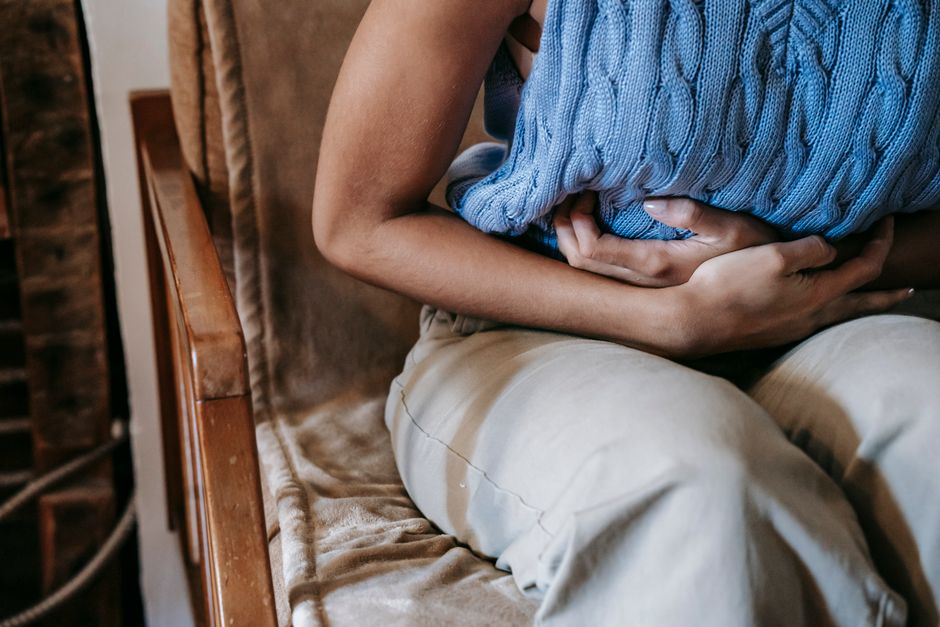
Bloating during your menstrual cycle is real and common. The most bloated you will feel is typically in the week before your period starts — during what is called the late luteal phase. This is when levels of the hormone progesterone peak, causing your body to hold onto extra water and salt. For most women, the bloating peaks around 5 to 10 days before their period begins and then goes away once bleeding starts.
What Causes Bloating During Your Menstrual Cycle?
Your menstrual cycle is controlled by shifting hormone levels. After ovulation, the ovary produces high amounts of progesterone. Progesterone prepares your uterus for a possible pregnancy. One of its side effects is that it makes your kidneys hold onto more sodium. Where sodium goes, water follows. This extra water collects in your tissues and makes you feel puffy and tight, especially in your belly.
Progesterone also slows down your digestive system. Food moves more slowly through your intestines. This can lead to gas, constipation, and more noticeable bloating. Some women also have higher levels of aldosterone — another hormone that affects salt and water balance — during the second half of the cycle. Together, these changes cause the bloating you feel before your period.
During your period itself, another substance called prostaglandin is released. Prostaglandins help your uterus contract and shed its lining. They can also cause loose stools, cramping, and sometimes bloating, though this is usually milder than premenstrual bloating.
When Are You Most Bloated in Your Cycle?
If you have a typical 28-day cycle, the most bloating happens between day 21 and day 28 — the week before your next period. This is the late luteal phase. Ovulation occurs around day 14. After ovulation, progesterone rises and stays high for about 10 to 14 days. Bloating often starts a day or two after ovulation, but it becomes most noticeable in the final week before your period.
Not every woman follows the same pattern. Some experience bloating mainly during the first few days of their period. Others feel it right after ovulation and it lasts until bleeding begins. The key point is that the peak is consistently in the premenstrual week for the majority of women. Once your period starts, progesterone drops sharply, and the extra fluid leaves your body. Most women feel back to normal by day 2 or 3 of their period.
How Long Does Cycle Bloating Typically Last?
For most women, bloating lasts between 5 and 10 days. It usually begins a few days after ovulation and ends by the second day of menstruation. In some women, bloating can last as few as 1 to 3 days. In others, it may persist through the entire luteal phase — up to 14 days. The duration varies based on your individual hormone response, diet, stress levels, and how your digestive system handles the hormonal changes.
If your bloating lasts longer than two weeks or continues after your period is over, it may not be related to your cycle. Other causes — such as irritable bowel syndrome (IBS), food sensitivities, or ovarian issues — should be considered. For most women, though, cycle-related bloating resolves on its own within a predictable window.





What Can You Do to Reduce Bloating During Your Cycle?
Several simple habits may help ease premenstrual bloating. Drinking more water seems counterintuitive, but it helps your kidneys flush out extra sodium. Aim for plain water rather than sugary or carbonated drinks, which can add gas. Reducing salt intake is especially important in the week before your period. Salty processed foods, chips, and fast food make water retention worse.
Gentle exercise like walking, yoga, or swimming can encourage your digestive system to move and reduce fluid buildup. Some studies suggest that potassium-rich foods — such as bananas, sweet potatoes, and spinach — may help balance sodium levels. A magnesium supplement may also help some women with PMS symptoms including bloating, but the evidence is not strong enough to recommend it for everyone. Natural diuretics like dandelion tea are popular, but no large human trials have confirmed they are safe or effective for cycle bloating.
Over-the-counter “water pills” or prescription diuretics should not be used without a doctor’s supervision. They can cause electrolyte imbalances and dehydration. The safest approach is to eat a balanced diet, stay hydrated, move your body, and accept that some bloating is a normal part of a healthy menstrual cycle.
When Should You See a Doctor About Bloating?
Mild to moderate bloating that follows your menstrual pattern is not a medical concern. But you should see a doctor if the bloating is severe, sudden, or comes with pain, nausea, or changes in your bowel habits. Bloating that does not go away after your period ends — especially if you also feel full quickly when eating, have unexplained weight loss, or feel a lump in your belly — should be evaluated. These symptoms can be signs of ovarian cancer, although that is not common. Your doctor may order an ultrasound or blood tests to rule out other causes.
Also see a doctor if you have been diagnosed with endometriosis, polycystic ovary syndrome (PCOS), or irritable bowel syndrome, and your bloating pattern changes. These conditions can cause overlapping symptoms that need specific management. For most women, cycle bloating is a predictable and harmless part of the menstrual cycle.
Frequently Asked Questions
Does bloating happen before or after ovulation?
Bloating typically starts after ovulation, during the luteal phase of your cycle. It becomes most noticeable in the week before your period.
Can birth control pills help with menstrual bloating?
Some women find that combined hormonal birth control pills reduce bloating by keeping hormone levels steady. The evidence is mixed, and not every brand or dosage works the same for everyone.
Is it normal to bloat during your period?
Yes, some women bloat during the first day or two of their period due to prostaglandins. This is usually milder than premenstrual bloating and resolves quickly.
How much water weight gain is normal from cycle bloating?
Most women gain 1 to 5 pounds of water weight before their period. Gaining more than 5 pounds is less common and may warrant medical evaluation if it happens regularly.
