
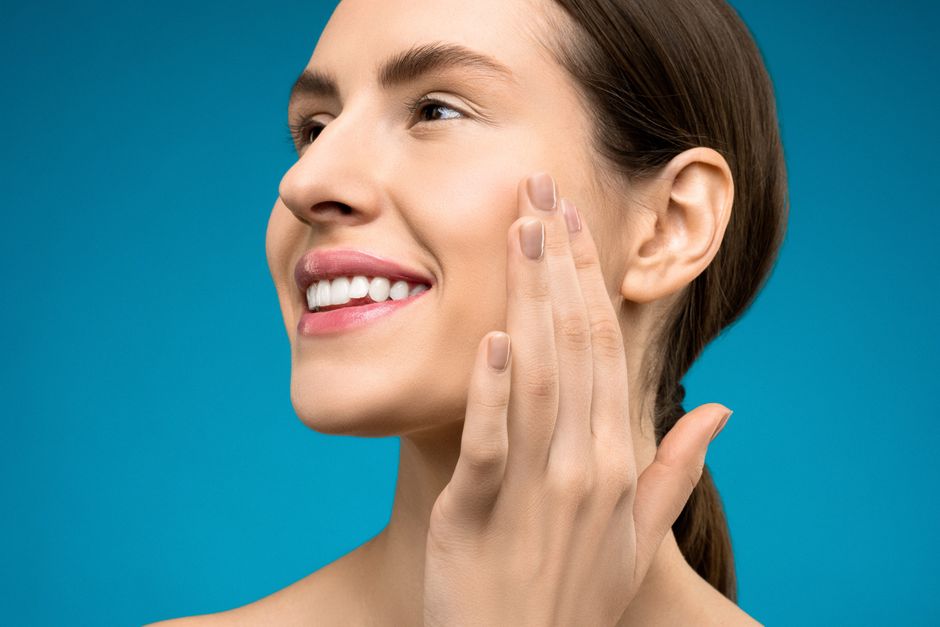
Facial bloating is usually fluid retention or mild inflammation in the tissues under your skin. Your face can look puffy for many reasons, from a salty meal last night to an underlying medical condition. Most of the time it is temporary and harmless, but understanding the cause matters because it guides what you should do next.
What Makes Your Face Bloated?
The most common cause is water retention. Your body holds onto extra fluid when your sodium intake is high, when you are dehydrated, or when your hormones shift. This fluid pools in the loose tissue under your eyes, around your jaw, and in your cheeks. That is why your face looks different in the morning than it does later in the day.
Another frequent cause is poor sleep. When you do not sleep enough, blood flow to your face increases and fluid gathers around your eyes. Sleeping flat also lets fluid settle in your face overnight. Gravity does the rest. Most people notice the puffiness is worst right after waking and improves within a few hours.
What Causes Fluid Retention in the Face?
Several everyday habits trigger fluid retention. A high-salt diet is at the top of the list. Sodium makes your body hold water to balance the salt concentration in your blood. One salty restaurant meal can leave you looking puffy the next morning.
Dehydration works the same way. When you do not drink enough water, your body goes into conservation mode. It holds onto the fluid it has, and some of that ends up in your face. Drinking more water usually helps your body release the excess.
Alcohol causes facial puffiness too. It dehydrates you, and your body responds by retaining fluid. Alcohol also dilates blood vessels, which can make your face look redder and more swollen.
Hormonal changes are another major cause. Many women notice facial bloating before their period or during pregnancy. Estrogen and progesterone affect how much fluid your body retains. This type of bloating is normal and resolves on its own.
Can Allergies Make Your Face Look Bloated?
Yes. Allergic reactions cause inflammation and fluid leakage from blood vessels. This produces puffiness, especially around the eyes. Common triggers include pollen, dust mites, pet dander, and certain foods.
Allergic rhinitis, also called hay fever, often causes under-eye puffiness. The same histamine release that makes your nose run also makes your face swell. Antihistamines usually reduce this type of bloating.
More serious allergic reactions can cause rapid facial swelling. If your lips, tongue, or throat swell suddenly, that is a medical emergency. Seek immediate care. Do not wait to see if it goes away.





When Is Facial Bloating a Sign of a Medical Condition?
Sometimes facial swelling points to something more serious. If your face stays puffy and does not improve with hydration, rest, or reducing salt, consider a medical evaluation.
Kidney disease can cause fluid retention throughout the body, including the face. When kidneys do not filter properly, excess fluid builds up. This often comes with swelling in the legs and feet as well.
Thyroid disorders can also cause facial puffiness. Hypothyroidism, where the thyroid is underactive, leads to fluid accumulation in the skin. This gives the face a swollen, puffy appearance that can be mistaken for weight gain.
Certain medications cause facial swelling as a side effect. Blood pressure medications, steroids, and some diabetes drugs are common culprits. If you started a new medication and noticed puffiness, talk to your doctor.
Facial swelling that comes on suddenly, especially on one side, could indicate an infection or a dental problem. A swollen cheek or jaw area might be an abscessed tooth or a salivary gland issue. These need prompt treatment.
What Is the Difference Between Bloating and Swelling?
Bloating and swelling are not the same thing. Bloating typically refers to fluid retention that is diffuse and soft. Your whole face looks fuller, but pressing on it does not leave a dent. This is the common morning puffiness most people experience.
Swelling, also called edema, is more localized. It often has a specific cause like an injury, infection, or allergic reaction. The area may feel tight, warm, or painful. Swelling on one side of the face is more concerning than symmetric puffiness.
If you press on a swollen area and it leaves a temporary indentation, that is called pitting edema. This suggests significant fluid retention and warrants a medical check.
How Can You Reduce Facial Bloating Fast?
Several simple strategies help reduce facial puffiness quickly. These work for temporary fluid retention, not for swelling caused by an underlying condition.
Drink water. This sounds counterintuitive when you already feel puffy, but dehydration makes fluid retention worse. Water helps your kidneys flush out excess sodium and fluid.
Reduce your salt intake for the next day or two. Skip processed foods, canned soups, and takeout. Cook fresh meals with minimal added salt. Your body will release the extra fluid within 24 to 48 hours.
Use a cold compress. Cold constricts blood vessels and reduces fluid accumulation. A cold, damp washcloth over your eyes for 10 minutes can visibly reduce puffiness. Some people use chilled spoons or gel eye masks.
Elevate your head while sleeping. An extra pillow keeps fluid from pooling in your face overnight. This is especially helpful if you notice puffiness every morning.
Move your body. Gentle exercise gets your blood circulating and helps your lymphatic system drain excess fluid. Even a 15-minute walk can help.
What Foods and Habits Prevent Facial Bloating?
Prevention is easier than treatment. Managing your daily habits keeps facial bloating from happening in the first place.
Limit sodium to the recommended daily amount. The Dietary Guidelines for Americans recommend no more than 2,300 milligrams of sodium per day for most adults. Many people consume far more than this without realizing it.
Potassium helps balance sodium in your body. Foods high in potassium include bananas, sweet potatoes, spinach, and avocados. Eating these regularly can help your body maintain proper fluid balance.
Stay consistently hydrated. Drinking water throughout the day is better than drinking a large amount all at once. Your body absorbs and uses water more efficiently when you sip it steadily.
Limit alcohol, especially in the evening. If you do drink, alternate with water. This reduces the dehydrating effect and the resulting fluid retention.
Get regular sleep. Aim for seven to nine hours per night. Consistent sleep reduces the morning puffiness that comes from fatigue and poor circulation.
When Should You See a Doctor About Facial Swelling?
Most facial bloating resolves on its own within a day. But some situations require medical attention.
See a doctor if the swelling lasts more than a few days despite lifestyle changes. Also seek care if the swelling is painful, red, or warm to the touch. These signs suggest infection.
Seek emergency care if facial swelling comes on suddenly and involves your lips, tongue, or throat. This could be a severe allergic reaction called anaphylaxis. It can block your airway and is life-threatening.
Also seek emergency care if facial swelling follows a head injury, even a minor one. This could indicate internal bleeding or a fracture.
If you have kidney disease, heart failure, or liver disease, any new or worsening facial swelling deserves a prompt medical evaluation. These conditions affect fluid balance and need monitoring.
Frequently Asked Questions
Why is my face puffy in the morning but not later in the day?
Fluid settles in your face while you sleep because you are lying flat. Gravity pulls it there, and it takes a few hours of being upright for your circulation to move it out.
Does drinking water help with facial bloating?
Yes, if the cause is dehydration or excess salt. Water helps your kidneys flush out extra sodium and fluid, which reduces puffiness.
Can stress cause facial bloating?
Stress can indirectly cause it. Stress hormones like cortisol affect fluid balance, and stress often disrupts sleep and eating habits, both of which contribute to puffiness.
Is facial bloating a sign of weight gain?
Not typically. Facial bloating is usually fluid retention, which changes day to day. True weight gain happens gradually and affects your whole body, not just your face.
