
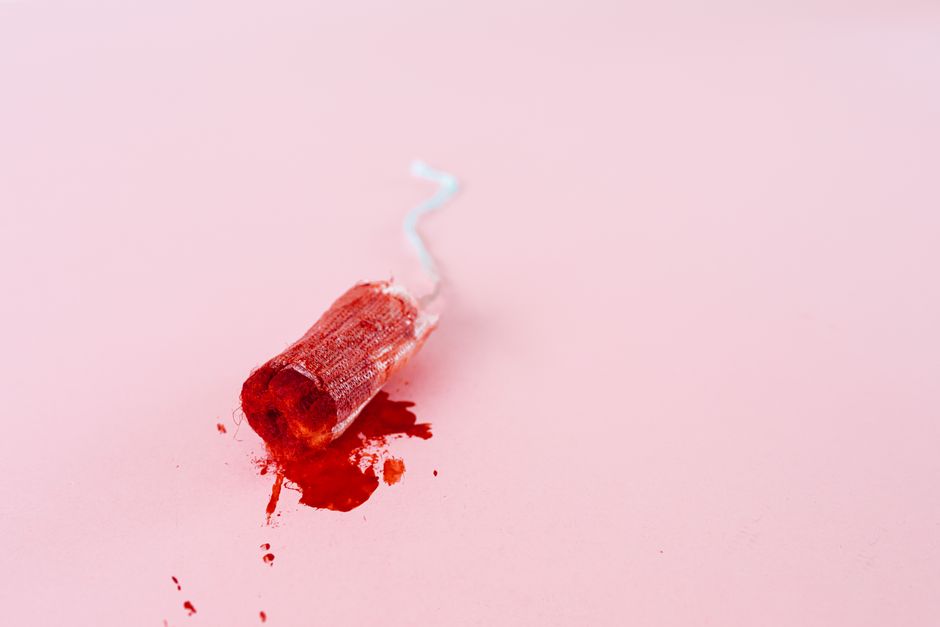
Your period happens when your uterus sheds its lining because a fertilized egg did not implant. This cycle is driven by hormones that rise and fall over roughly a month. A normal period lasts between 3 and 7 days and comes every 21 to 35 days. Bleeding that is too heavy, too light, too frequent, or too rare can signal an underlying issue worth discussing with a healthcare provider.
What Actually Happens in Your Body Each Month?
Your menstrual cycle is a series of hormonal events that prepare your body for a possible pregnancy. It starts on the first day of bleeding. During the first half of your cycle, estrogen rises and causes the lining of your uterus to thicken. This lining is made of blood and tissue that can support a fertilized egg.
Around day 14 in a typical 28-day cycle, an egg is released from one of your ovaries. This is ovulation. If sperm fertilizes that egg, it can implant in the thickened lining. If fertilization does not happen, hormone levels drop and the lining breaks down. That breakdown is what you see as your period.
The entire process is controlled by the hypothalamus, pituitary gland, and ovaries working together. The CDC reports that most women of reproductive age have cycles that vary by a few days from month to month. That variation is normal and not a sign of trouble.
How Do You Know If Your Period Is Normal?
Doctors define a normal period by three main factors: frequency, duration, and flow. A normal cycle length is between 21 and 35 days from the first day of one period to the first day of the next. Bleeding usually lasts 3 to 7 days. The total blood loss is typically between 30 and 80 milliliters, which is about 2 to 5 tablespoons.
Normal bleeding does not require you to change a pad or tampon more than once every 2 to 3 hours on your heaviest days. Clots smaller than the size of a grape are common and not concerning. Some cramping is also normal, especially on the first or second day.
Research published in the journal Obstetrics & Gynecology found that most women overestimate how much blood they lose during their period. If you are unsure whether your flow is normal, track it for a few cycles. Write down the start and end dates, the heaviness each day, and any symptoms like pain or fatigue.
| Characteristic | Normal | Abnormal |
|---|---|---|
| Cycle length | 21–35 days | Less than 21 or more than 35 days |
| Bleeding duration | 3–7 days | More than 7 days |
| Flow heaviness | 2–5 tablespoons total | Soaking through a pad or tampon every hour |
| Clots | Smaller than a grape | Larger than a grape or frequent |
| Pain | Mild to moderate cramping | Pain that stops you from daily activities |
What Causes Irregular Periods?
Irregular periods can happen for many reasons. Stress is one of the most common causes. High cortisol levels can interfere with the hormones that control ovulation. The American College of Obstetricians and Gynecologists notes that significant weight loss, weight gain, or extreme exercise can also disrupt your cycle.
Polycystic ovary syndrome, or PCOS, is a leading cause of irregular periods. Women with PCOS often have infrequent or absent periods because they do not ovulate regularly. Thyroid disorders, both overactive and underactive, can also change your cycle. High prolactin levels from certain medications or a pituitary tumor can stop periods entirely.
Some women experience irregular periods during perimenopause, which can start in their late 30s or early 40s. During this time, estrogen levels fluctuate unpredictably. Cycles may become shorter, longer, heavier, or lighter before stopping completely at menopause.
Birth control methods can also change your period. Hormonal IUDs, implants, and pills often make bleeding lighter or stop it altogether. This is not dangerous. It is a normal effect of the hormones in these methods.





When Should You See a Doctor About Your Period?
You should see a doctor if your periods suddenly change and stay changed for more than two or three cycles. Bleeding that soaks through a pad or tampon every hour for several hours is not normal. Passing clots larger than a grape regularly is also worth a medical visit.
Pain that prevents you from going to work or school is not normal period pain. It may be a sign of endometriosis or uterine fibroids. Bleeding between periods, after sex, or after menopause always needs evaluation.
The National Institutes of Health recommends seeing a doctor if you have not had a period for three months and are not pregnant or on birth control. Missing periods can lead to bone thinning over time because low estrogen affects bone density.
If you are under 45 and your periods have stopped for 12 months, that is early menopause. It affects about 5 percent of women and can increase your risk for heart disease and osteoporosis. A doctor can run blood tests to confirm the cause.
Common Misconceptions About Periods
Many people believe that a 28-day cycle is the only normal cycle. That is not true. Research shows that only about 13 percent of women actually have a 28-day cycle. Cycles between 21 and 35 days are all considered normal. Do not stress if your cycle is 24 days or 33 days.
Another myth is that you cannot get pregnant during your period. Sperm can live in the body for up to five days. If you have a short cycle and ovulate soon after your period ends, pregnancy is possible. The CDC states that relying on the calendar alone is not effective birth control.
Some people think that heavy bleeding means you are losing too much blood and will become anemic. While heavy bleeding can cause iron deficiency, most women with heavy periods do not become anemic. If you feel tired, dizzy, or short of breath during your period, ask your doctor for a blood test to check your iron levels.
There is also a belief that you should not exercise during your period. The opposite is true. Physical activity can reduce cramps and improve your mood by releasing endorphins. Walking, swimming, and light stretching are safe and helpful.
- Track your cycle for at least three months to see your personal pattern
- Use a period tracking app or a simple paper calendar
- Note flow heaviness, pain level, and any unusual symptoms
- Share your tracking data with your doctor if problems arise
- Do not compare your cycle to a friend’s — normal varies widely
What to Avoid When Managing Your Period
Avoid using scented pads, tampons, or wipes. The fragrances can irritate your vulva and increase the risk of infections. Plain cotton products are safer and just as effective. Change tampons every 4 to 8 hours to reduce the risk of toxic shock syndrome.
Do not douche or use any products meant to “clean” your vagina. The vagina is self-cleaning and douching can disrupt its natural bacteria. The Office on Women’s Health warns that douching increases the risk of bacterial vaginosis, pelvic inflammatory disease, and pregnancy complications.
Avoid skipping meals or restricting calories during your period. Your body needs energy to manage the hormonal changes. Eating balanced meals with plenty of iron-rich foods like spinach, beans, and lean meat can help if you feel tired.
Do not ignore severe pain because you think it is normal. Severe period pain that does not respond to over-the-counter ibuprofen or naproxen may be a sign of a treatable condition. Endometriosis affects about 1 in 10 women and often goes undiagnosed for years because women do not report their pain.
Frequently Asked Questions
How do you get your period and what’s normal?
Your period is the shedding of your uterine lining when pregnancy does not occur. Normal cycles last 21 to 35 days with bleeding for 3 to 7 days.
What does a healthy period look like?
A healthy period has moderate flow, small clots, and mild cramping. You should be able to go about your daily activities without severe pain.
Why is my period late if I am not pregnant?
Stress, weight changes, thyroid issues, and PCOS are common causes. If your period is more than a week late and you are not pregnant, see your doctor.
Can stress really delay your period?
Yes, high stress raises cortisol levels which can stop ovulation. Once stress resolves, your cycle usually returns to normal within a few months.
