
Walk into any coffee shop and you will see a list of latte flavors longer than a grocery receipt. But what is actually in that cup? A standard latte is espresso and steamed milk with a thin layer of foam on top. That is it. Sugar, syrups, powders, and whipped cream are extras that turn a simple drink into something else entirely. Knowing what goes into your latte matters because those extras can add hundreds of calories and grams of sugar you did not plan on.
What Is a Traditional Latte Made Of?
A traditional latte has two ingredients: espresso and milk. The standard ratio is one part espresso to three parts steamed milk, topped with a small layer of milk foam. In Italy, where the drink originated, a latte is simply “caffè latte” meaning coffee with milk. It is not a sweet drink.
The espresso provides the coffee flavor and caffeine. A single shot contains about 63 milligrams of caffeine. Most coffee shops serve lattes with two shots, so you get around 126 milligrams. The milk makes up the rest of the volume. Whole milk is the traditional choice because it steams well and creates a creamy texture. But many shops now offer oat, almond, soy, or skim milk options.
The foam on top is just milk that has been aerated with steam. It adds texture but not much volume. A 12-ounce latte made with whole milk and two espresso shots has roughly 180 calories and 12 grams of sugar naturally from the milk. No added sugar. No syrups. Just coffee and milk.
What Extra Ingredients Are in Flavored Lattes?
Flavored lattes are where the calories and sugar start adding up quickly. Most coffee shops use sugar-sweetened syrups to add flavor. Vanilla, caramel, hazelnut, and mocha are the most common. These syrups are made from sugar, water, and artificial or natural flavorings. A single pump of syrup contains about 10 to 15 calories and 5 grams of sugar.
A typical flavored latte gets three to four pumps of syrup. That means 30 to 60 calories and 15 to 20 grams of added sugar just from the syrup alone. The American Heart Association recommends limiting added sugar to 36 grams per day for men and 25 grams for women. One flavored latte can use up most of that allowance.
Some shops use sugar-free syrups instead. These use artificial sweeteners like sucralose or aspartame. They do not add calories or sugar, but some people report digestive discomfort from sugar alcohols like erythritol or sorbitol. The research on long-term effects of artificial sweeteners is mixed. Some studies suggest they may alter gut bacteria or increase cravings for sweet foods, but the evidence is not strong enough to say they are dangerous in normal amounts.
What Is in a Matcha or Chai Latte?
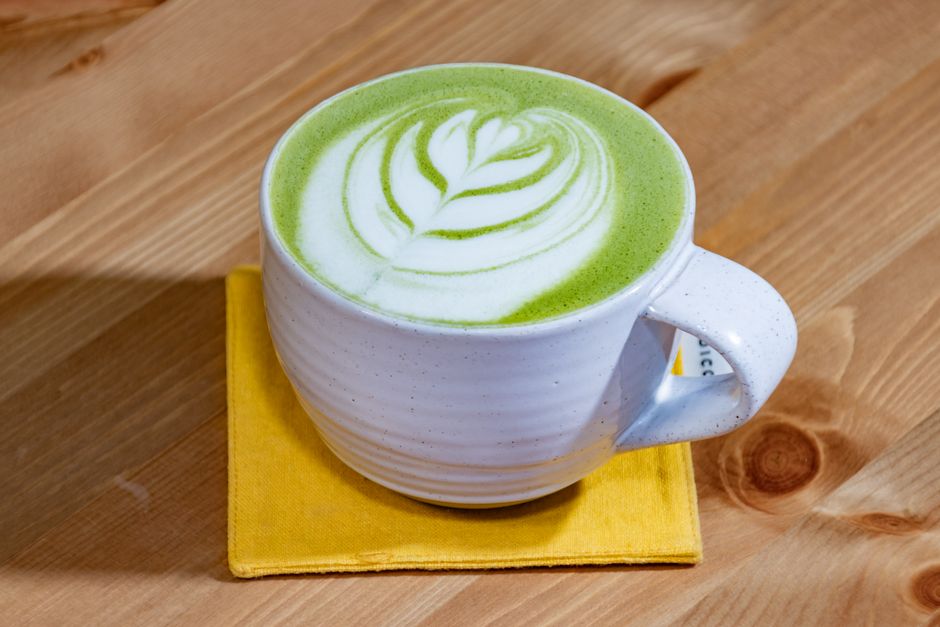
Matcha lattes and chai lattes are popular alternatives, but they are not the same as a coffee latte. A matcha latte is made from matcha powder, hot water, and steamed milk. The matcha powder itself is ground green tea leaves. It contains caffeine and antioxidants called catechins. But many coffee shops use pre-sweetened matcha powder that already has sugar mixed in. A 12-ounce matcha latte from a chain can have 20 to 30 grams of added sugar before any syrup is added.
A chai latte is made from concentrated chai tea and steamed milk. Chai concentrate is black tea brewed with spices like cinnamon, cardamom, ginger, and cloves. But the concentrate is almost always sweetened with sugar or honey. A 12-ounce chai latte can contain 30 to 40 grams of added sugar. That is the same as drinking a can of soda.
If you order a “dirty” chai latte, you get a shot of espresso added. This increases the caffeine content significantly. A dirty chai can have 150 to 200 milligrams of caffeine, depending on the number of espresso shots. That is roughly the same as two cups of brewed coffee.





What Are the Healthiest Ways to Order a Latte?
You do not have to give up lattes to eat healthy. You just need to know what to ask for. The simplest change is to skip the flavored syrup. If you want flavor, ask for a single pump instead of the standard three or four. That cuts the added sugar by two-thirds. Some shops will also let you add a sprinkle of cinnamon or cocoa powder for flavor without sugar.
Milk choice matters too. Whole milk gives the creamiest texture but also the most calories and saturated fat. Oat milk is popular and has a similar texture to whole milk, but it often contains added sugar and oils. Unsweetened almond milk has the fewest calories, around 30 per cup, but it does not steam as well and can separate. Soy milk is a middle ground with about 80 calories per cup and decent protein content.
Size is another factor. A 12-ounce latte is a standard small. A 16-ounce is medium, and 20-ounce is large. Every extra ounce of milk adds calories and sugar. If you order a large latte with whole milk and flavored syrup, you can easily consume 400 to 500 calories in one drink. That is a meal for many people, not a beverage.
| Latte Type (12 oz) | Calories | Added Sugar | Caffeine |
|---|---|---|---|
| Plain latte (whole milk) | 180 | 0 g | 126 mg |
| Vanilla latte (3 pumps syrup) | 240 | 15 g | 126 mg |
| Matcha latte (sweetened powder) | 240 | 20 g | 80 mg |
| Chai latte (concentrate) | 260 | 30 g | 50 mg |
| Plain latte (unsweetened almond milk) | 100 | 0 g | 126 mg |
What Are the Hidden Ingredients in Plant-Based Milks?
Plant-based milks are not just ground nuts or oats mixed with water. They contain additives to improve texture, shelf life, and taste. Most commercial oat milks contain rapeseed oil, which is canola oil, to create a creamy mouthfeel. They also contain gums like gellan gum or guar gum to prevent separation. These are generally recognized as safe by the FDA, but some people experience bloating or gas from them.
Many plant-based milks also have added sugar. A cup of sweetened oat milk can have 7 to 10 grams of added sugar. That is roughly two teaspoons. If you order a latte made with sweetened oat milk and then add flavored syrup, you are getting sugar from two sources. Always check the label or ask the barista if the milk is unsweetened.
Protein content varies widely between milk types. Cow’s milk has about 8 grams of protein per cup. Soy milk comes close with 7 grams. Almond milk has only 1 gram. Oat milk has 3 grams. If you are using your latte as part of a meal or post-workout drink, the protein difference matters. A latte made with cow’s milk or soy milk will keep you fuller longer than one made with almond milk.
Do Lattes Have More Caffeine Than Drip Coffee?
This is a common confusion. A standard 8-ounce cup of drip coffee has about 95 milligrams of caffeine. A 12-ounce latte with two espresso shots has about 126 milligrams. So ounce for ounce, a latte has less caffeine than drip coffee because it is mostly milk. But the total caffeine in your cup depends on how many espresso shots are used.
If you order a large 20-ounce latte with two shots, you get the same caffeine as a small latte with two shots. The milk just dilutes it. Some coffee shops offer an extra shot for a small fee. Adding a third shot brings the caffeine to about 189 milligrams, which is similar to a 12-ounce cup of drip coffee. The caffeine in espresso is also absorbed more quickly because it is concentrated, but the total effect on your body is similar to drip coffee.
People who are sensitive to caffeine should know that a latte can still deliver a significant dose. The Mayo Clinic recommends limiting caffeine to 400 milligrams per day for most healthy adults. That is roughly three to four lattes with two shots each. But individual tolerance varies. If you feel jittery or anxious after coffee, a single shot latte might be a better choice.
What Is the Calorie Difference Between a Latte and a Cappuccino?
People often ask this because the two drinks look similar. The difference is the milk-to-foam ratio. A cappuccino has equal parts espresso, steamed milk, and foam. A latte has more steamed milk and less foam. Because cappuccinos have less milk, they have fewer calories. A 12-ounce cappuccino made with whole milk has about 120 calories. A 12-ounce latte with the same milk has about 180 calories.
The foam in a cappuccino is mostly air, so it adds volume without calories. If you are watching your calorie intake, a cappuccino gives you a similar coffee experience with fewer calories. But the texture is different. Lattes are creamier because there is more liquid milk. Some people prefer one over the other purely for taste.
If you order a flavored cappuccino, the syrup still adds the same calories and sugar as in a latte. The base drink matters less than the extras. A plain cappuccino with unsweetened almond milk has only about 60 calories. That is a reasonable choice if you want a warm coffee drink without the extra calories.
What Are Common Misconceptions About Lattes?
One of the biggest myths is that lattes are a healthy drink because they contain milk. Milk does provide calcium, vitamin D, and protein. But that does not cancel out the sugar from syrups or the calories from large sizes. A 20-ounce caramel latte from a popular chain can have 450 calories and 50 grams of sugar. That is more sugar than a Snickers bar.
Another misconception is that sugar-free syrups are automatically healthy. They do not add calories or sugar, but they still trigger a sweet taste response. Some research suggests this can keep your brain craving sweetness, making it harder to reduce your overall sugar intake. The World Health Organization has stated that non-sugar sweeteners do not help with long-term weight control. Use them sparingly if you use them at all.
Some people also believe that a latte is a good source of protein. A 12-ounce latte with whole milk has about 8 grams of protein. That is meaningful but not enough to replace a meal. If you are using a latte as a post-workout drink, you would need to add a protein powder or pair it with a high-protein snack. The protein in milk is complete, meaning it contains all essential amino acids, but the amount is modest.
Frequently Asked Questions
Does a latte have more sugar than a mocha?
A plain latte has no added sugar, while a mocha contains chocolate syrup or powder which adds 15 to 25 grams of sugar depending on the size.
Can I order a latte without sugar?
Yes, just ask for a plain latte with no flavored syrup and specify unsweetened milk if you are using a plant-based option.
Is a latte gluten-free?
Plain espresso and milk are naturally gluten-free, but flavored syrups and some plant-based milks may contain gluten as a thickener so ask your barista.
How many calories are in a large latte from Starbucks?
A 20-ounce Starbucks latte made with whole milk has about 300 calories, and adding syrup adds 50 to 100 more calories depending on the number of pumps.
