
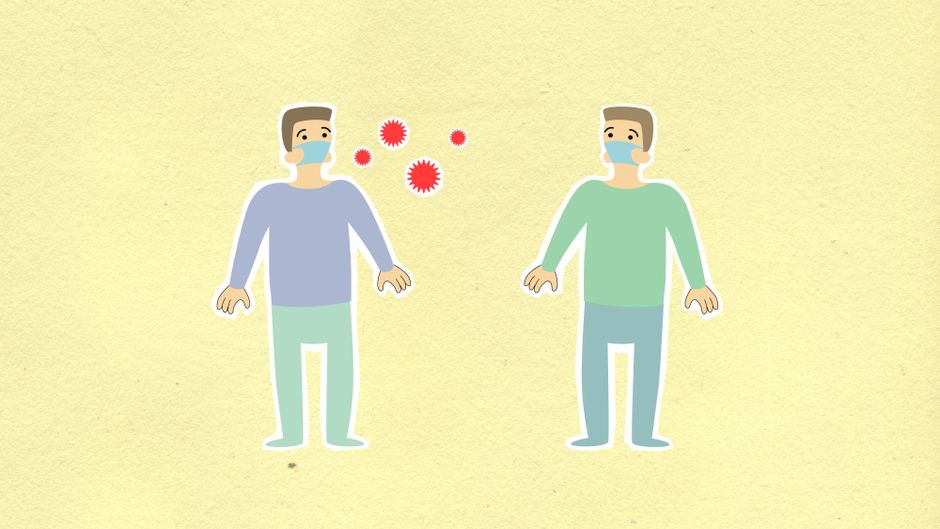
If you test positive for COVID-19, you can spread the virus to others starting 1-2 days before your symptoms begin. Most people are contagious for about 8-10 days total. You are most contagious in the first 5 days after symptoms start. After day 10, if your symptoms are improving and you have had no fever for 24 hours without fever-reducing medication, the CDC says you are no longer considered contagious. This timeline applies to most people with mild to moderate illness.
How Long Are You Contagious With COVID-19?
The contagious period for COVID-19 varies from person to person. Research published in the New England Journal of Medicine found that people with mild COVID-19 shed live virus for about 8 days on average. For moderate illness, that window can stretch to 10 days. Severe cases requiring hospitalization can remain contagious for up to 20 days.
Your immune system determines how quickly you clear the virus. People with weakened immune systems may stay contagious for weeks or even months. The CDC recommends a minimum isolation of 5 days for mild illness, followed by 5 days of wearing a mask around others. But the science is clear that some people still shed live virus on day 6, 7, or 8.
The key question is not when your PCR test turns negative. PCR tests can detect dead virus fragments for weeks after you are no longer contagious. The real measure is when you stop shedding live virus that can infect others.
When Are You Most Contagious With COVID?
You are most contagious in the 2 days before symptoms start and the first 3 days after symptoms begin. A study in Nature Medicine found that viral load peaks around day 3 to day 5 after infection. During this window, you are shedding high amounts of live virus when you breathe, talk, cough, or sneeze.
This is why the CDC shortened the isolation period from 10 days to 5 days for asymptomatic or mild cases. The first 5 days are when the risk of transmission is highest. After day 5, the amount of live virus drops sharply for most people.
Some people never develop symptoms at all. Asymptomatic cases still shed virus, but research suggests they are contagious for a shorter period — about 5 to 7 days total. You can spread COVID without ever knowing you have it.
Does How Long You Are Contagious Depend on Your Symptoms?
Yes. Your symptoms are a rough guide to how contagious you might be. If you have a fever, cough, or sore throat, you are likely still shedding virus. The CDC uses a simple rule: no fever for 24 hours without medication, and other symptoms improving, before you can stop isolating.
Loss of taste and smell can linger for weeks. That is not a sign of contagiousness. Those symptoms come from your immune response, not from active virus. If your only remaining symptom is loss of smell, you are almost certainly not contagious anymore.
Severe symptoms like shortness of breath or pneumonia mean your body is fighting a larger viral load. People with severe COVID-19 stay contagious longer. A study in The Lancet Microbe found that severe cases can shed live virus for up to 18 days after symptoms start.




How Do Rapid Tests and PCR Tests Tell You If You Are Contagious?
Rapid antigen tests are a practical tool for deciding if you are still contagious. These tests detect viral proteins that are present when you have high levels of live virus. A positive rapid test generally means you are still shedding enough virus to infect others.
PCR tests are too sensitive for this purpose. They amplify tiny amounts of viral genetic material, including dead fragments that cannot cause infection. You can test positive on a PCR test for 3 to 4 weeks after your infection is over. Using a PCR test to decide when to end isolation will keep you home far longer than necessary.
The best approach is to use a rapid test after day 5. If it is negative, you are likely not contagious. If it is positive, wait another day or two and test again. The FDA recommends two negative rapid tests 48 hours apart before you stop wearing a mask around others.
| Test Type | What It Detects | Useful For Determining Contagiousness? |
|---|---|---|
| Rapid Antigen Test | Viral proteins | Yes – positive result usually means live virus present |
| PCR Test | Viral genetic material | No – can stay positive long after contagious period |
What About Rebound Cases and New Variants?
Paxlovid rebound is a real phenomenon. Some people who take the antiviral drug test positive again a few days after finishing the 5-day course. Research from the National Institutes of Health found that about 1 in 5 people experience viral rebound after Paxlovid. These people can be contagious again during the rebound period.
If your symptoms return or you test positive again after taking Paxlovid, restart isolation. The rebound period typically lasts 3 to 5 days. You should treat it like a new infection and follow the same isolation guidelines.
New variants also change the contagious timeline. The Omicron variants have a shorter incubation period — about 3 days on average compared to 5 days for earlier strains. They also appear to reach peak viral load faster. But the overall contagious period remains roughly the same: 8 to 10 days for most people with mild illness.
What Should You Do to Protect Others While Contagious?
Isolate at home for at least 5 full days. Day 0 is the day your symptoms started or the day you tested positive if you have no symptoms. Day 1 is the first full day after that. You can leave isolation on day 6 if you have no fever for 24 hours and your symptoms are improving.
Wear a high-quality mask like an N95 or KN95 for days 6 through 10 when you are around other people. This is critical because some people still shed virus during this window even if they feel better. Do not eat indoors at restaurants or go to crowded places during this period.
Avoid spending time with people at higher risk for severe COVID-19 — older adults, people with weakened immune systems, pregnant women, and those with chronic health conditions — for at least 10 days after symptoms start. If you live with someone who is high risk, try to sleep in a separate room and use a separate bathroom if possible.
Improve ventilation in your home. Open windows, use HEPA air purifiers, and run bathroom fans. The CDC reports that good ventilation reduces the concentration of viral particles in the air and lowers the risk of spreading COVID to others in your household.
Common Misconceptions About the COVID Contagious Period
A common myth is that you are only contagious if you have a fever. Fever is a strong sign of active infection, but you can shed virus without one. Many people with mild COVID never run a fever at all. Do not rely on fever alone to decide if you can safely be around others.
Another misconception is that a negative PCR test means you are safe to be around people. As discussed, PCR tests can remain positive for weeks after you are no longer contagious. Using a PCR test to clear yourself will keep you isolated longer than necessary and cause unnecessary stress.
Some people believe that if they feel fine, they cannot spread COVID. Asymptomatic transmission is well documented. The CDC estimates that about 40% of COVID transmission happens from people who do not have symptoms. You can be contagious and feel perfectly healthy.
There is also a belief that you cannot get COVID twice in a short period. This is false. Reinfection can happen as soon as 4 to 6 weeks after a previous infection, especially with new variants. Prior infection does give you some protection, but it is not complete and it wanes over time.
Frequently Asked Questions
Can I stop isolating after 5 days if I still have symptoms?
No. You need to wait until your symptoms are improving and you have had no fever for 24 hours without medication. If symptoms persist past day 5, continue isolating.
How long after a positive test am I contagious to my family?
You are most contagious in the first 5 days after symptoms start. You can still spread the virus for up to 10 days. Wear a mask around family members during this time.
Do I need a negative test to leave isolation?
No. The CDC does not require a negative test to end isolation. Use symptom improvement and 24 hours without fever as your guide. A negative rapid test can give you extra reassurance.
How long is a child contagious with COVID?
Children follow a similar timeline to adults. They are most contagious in the first 5 days after symptoms start. Most children are no longer contagious after 10 days.
