
How Does a PICC Line Work?
A PICC line provides reliable access to your bloodstream for weeks or months. The procedure is done by a trained nurse or doctor. They find a vein in your upper arm, numb the area, and guide the catheter through the vein until the tip rests in the superior vena cava, just above the heart. This placement allows medications to mix quickly with your blood, reducing irritation from strong drugs.
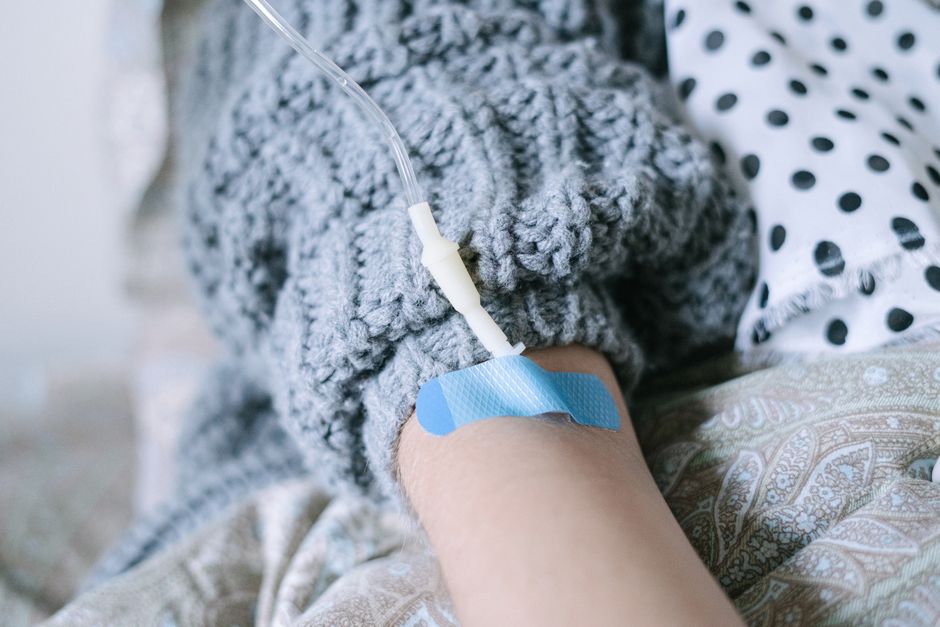
The outside end of the line has a small dressing and a cap that connects to IV tubing. Once placed, it can be used for multiple infusions without poking you again. The line is secured with a dressing and a special bandage to keep it clean and in place. You can move your arm normally, though heavy lifting is usually not recommended.
What Conditions Require a PICC Line?
Doctors recommend a PICC line for specific medical situations. The most common reason is long-term antibiotic therapy. If you have a serious infection like endocarditis or osteomyelitis, you may need IV antibiotics for six weeks or more. A PICC line makes this possible at home instead of staying in the hospital.
Other common uses include chemotherapy, total parenteral nutrition for people who cannot eat, and frequent blood transfusions. People with certain chronic illnesses like cystic fibrosis or Crohn’s disease often receive PICC lines for repeated treatments. The CDC reports that PICC lines are used in approximately 15 percent of hospitalized patients who need central venous access.
What Are the Risks and Complications?
No medical procedure is without risk. The most common complication with PICC lines is infection. Bacteria can enter the bloodstream through the insertion site or the line itself. The CDC’s data shows that central line-associated bloodstream infections occur in about 1 in 1,000 catheter days. That means if you have a line for 30 days, the infection risk is roughly three percent.
Other risks include blood clots, known as deep vein thrombosis. Some studies suggest that PICC lines increase clot risk compared to other catheters, especially in patients with cancer. The line can also cause vein inflammation, or phlebitis, which feels like a warm, tender cord along the arm. Rarely, the tip can move out of position, requiring repositioning or removal.





How Is a PICC Line Maintained?
Proper care keeps the line working and lowers infection risk. The dressing must be changed weekly by a nurse. You cannot get the area wet, so showering requires a waterproof cover. The line itself needs flushing with saline or heparin to prevent blockages. Your nurse will teach you or a family member how to do this.
Daily inspection is important. Look for redness, swelling, or drainage around the site. Report any pain or fever immediately. The line should be checked for cracks or leaks. If the cap becomes loose, call your healthcare team. Many people manage their PICC line at home successfully with clear instructions and support from a home health agency.
How Is a PICC Line Removed?
Removal is quick and simple. A nurse or doctor gently pulls the catheter out. It slides out because nothing holds it in place except the natural curve of the vein. The process takes a few seconds. You may feel a brief tugging sensation but no real pain.
After removal, the site is covered with a small bandage. Keep it dry for 24 hours. The vein heals quickly. You can resume normal activity immediately. There is no special recovery needed. Your healthcare team will confirm the line is intact and the tip is complete. This step ensures nothing was left behind.
What to Avoid With a PICC Line
Certain activities can damage the line or increase infection risk. Avoid swimming, soaking in baths, or hot tubs. Water can carry bacteria into the dressing. Do not lift anything heavier than ten pounds with the arm that has the line. Heavy lifting can dislodge the catheter.
Do not let anyone draw blood from the PICC line unless trained to do so. Incorrect use can cause clotting or contamination. Do not use scissors or sharp objects near the line. Keep the dressing dry and intact. If the dressing gets wet or loose, call your nurse for a change. Do not try to fix it yourself.
| Feature | PICC Line | Standard Central Line |
|---|---|---|
| Insertion site | Arm vein | Neck, chest, or groin |
| Procedure risk | Lower (no needle near lung) | Higher (pneumothorax risk) |
| Duration of use | Weeks to months | Days to weeks |
| Infection rate | Slightly lower | Higher |
| Removal | Simple, bedside | Simple, bedside |
Common Misconceptions About PICC Lines
Some people think a PICC line is painful. The insertion uses local numbing, so you feel pressure but not sharp pain. Others believe you cannot move your arm. In reality, you can use your arm for most daily tasks. You just avoid heavy lifting and contact sports.
Another myth is that the line goes into your heart. The tip rests in a large vein near the heart, not inside the heart muscle. This is safe and standard. Some worry about the line breaking inside. Modern catheters are strong and flexible. Breakage is extremely rare. If a break occurs, the line is removed and replaced.
What Does the Research Say About PICC Line Safety?
Research published in the Journal of Hospital Medicine found that PICC lines have a lower infection rate than central lines placed in the chest or neck. A 2019 study in Critical Care Medicine reported that PICC lines reduced bloodstream infections by forty percent compared to other central catheters in intensive care units.
However, the same research shows that PICC lines carry a higher clot risk. A study in Chest found that patients with cancer had a clot rate of five to ten percent with PICC lines. The risk increases with larger catheter sizes and longer dwell times. For most patients, the benefits of reliable IV access outweigh the risks.
Frequently Asked Questions
Frequently Asked Questions
Can you shower with a PICC line?
Yes, but you must cover the dressing with a waterproof cover. Your nurse will provide a special sleeve or plastic wrap. Do not soak the area.
How long can a PICC line stay in?
A PICC line can remain in place for weeks to months. Most are used for 4 to 12 weeks. Some stay longer if properly maintained.
Does getting a PICC line hurt?
The insertion area is numbed with local anesthetic. You may feel pressure but not sharp pain. Most people tolerate it well.
Can you exercise with a PICC line?
Light exercise like walking is fine. Avoid heavy lifting, push-ups, or any activity that stresses the arm with the line. Check with your doctor first.
