

Your immune system has two main parts. The innate immune system is the one you are born with. It is your body’s first line of defense against germs like bacteria and viruses. It works the same way for everyone, and it reacts within minutes of an invader being detected. This system does not remember specific germs. Instead, it uses general defenses that attack anything that looks foreign to your body.
What Is Innate Immunity Your First Line Of Defense?
Innate immunity is the collection of physical barriers, chemical defenses, and immune cells that respond to threats immediately. It is non-specific, meaning it treats all invaders in a similar way. Unlike adaptive immunity, which learns and remembers specific germs, innate immunity does not create memory. Your skin, stomach acid, mucus, and white blood cells are all parts of this system. It is always active and ready to respond.
This system is essential for survival. Without it, every minor cut or cold could become a life-threatening infection. The innate immune response is fast, but it is not perfect. It buys time for the slower, more precise adaptive immune system to take over if the infection persists.
What Are the Physical Barriers of Innate Immunity?
The first layer of innate immunity is made of physical structures that block germs from entering your body. These are not cells. They are tissues and chemicals that create a wall between you and the outside world.
Skin is the largest organ and the most important barrier. It is tough, dry, and slightly acidic. Most bacteria and viruses cannot survive on healthy skin. Cuts or scrapes break this barrier, which is why cleaning wounds matters.
Mucus membranes line your respiratory tract, digestive tract, and other openings. They trap germs in sticky mucus. Tiny hair-like structures called cilia then push the mucus up and out of your lungs. Sneezing and coughing are part of this process.
Other barriers include:
- Stomach acid that destroys most swallowed germs
- Saliva and tears contain enzymes that break down bacterial cell walls
- Earwax traps debris and slows germ growth
- Sweat and skin oils create an environment where many microbes cannot survive
These barriers work constantly. You rarely notice them, but they stop most infections before they start.
What Cells Are Involved in the Innate Immune Response?
When germs get past the physical barriers, immune cells respond. These white blood cells patrol your blood and tissues. They detect common patterns found on many types of germs.
Phagocytes are cells that eat invaders. The word phagocyte means “eating cell.” Neutrophils are the most common type. They arrive quickly at infection sites and swallow bacteria whole. Macrophages are larger phagocytes that also clean up dead cells and signal other immune cells to help.
Natural killer cells target infected cells. They can detect cells that have been taken over by viruses and destroy them. This is important because viruses hide inside cells where phagocytes cannot reach them.
Dendritic cells act as messengers. They capture pieces of germs and present them to adaptive immune cells. This is the bridge between the fast innate response and the slower, more specific adaptive response.
These cells communicate using chemical signals called cytokines. Cytokines trigger inflammation, attract more immune cells, and help coordinate the entire response.



What Happens During Inflammation?
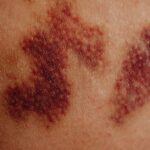
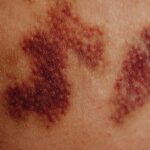
Inflammation is a visible sign that the innate immune system is working. When tissue is damaged or infected, immune cells release histamine and other chemicals. Blood vessels widen, increasing blood flow to the area. This causes redness and heat. Vessels also become leakier, allowing fluid and immune cells to enter the tissue. This causes swelling.
Pain occurs because swelling presses on nerves. This is not a malfunction. Pain forces you to protect the injured area. The heat can also make it harder for some bacteria to survive.
Fever is a whole-body form of inflammation. The brain raises your body temperature in response to cytokines. Many germs reproduce more slowly at higher temperatures. Fever also speeds up immune cell activity. A low-grade fever during an infection is generally a sign that your immune system is responding normally.
Inflammation is helpful in the short term. Chronic inflammation, lasting weeks or months, is different. It can damage healthy tissue and is linked to conditions like heart disease and arthritis.
How Does Innate Immunity Detect Invaders?
Innate immune cells cannot recognize every specific germ. Instead, they recognize patterns that many germs share. These are called pathogen-associated molecular patterns, or PAMPs. For example, bacterial cell walls contain molecules that human cells do not have. Immune cells have receptors that detect these patterns.
These receptors are called pattern recognition receptors, or PRRs. Toll-like receptors are the most studied type. When a PRR binds to a PAMP, the immune cell activates. It begins eating the invader, releasing cytokines, or both.
This system is fast because it does not require learning. The receptors are already present. The trade-off is that innate immunity cannot distinguish between closely related germs. It responds to broad categories, not specific species.
This detection system also recognizes damage. When your own cells die from injury, they release molecules that activate the same receptors. This allows the immune system to respond to tissue damage even without infection.
How Does Innate Immunity Connect to Adaptive Immunity?
The innate and adaptive immune systems work together. Innate immunity acts first. It controls the infection and gathers information. Then it presents pieces of the germ to adaptive immune cells.
Dendritic cells are the main link. After eating a germ, they travel to lymph nodes. There, they show the germ fragments to T cells and B cells. This activates the adaptive immune response, which produces antibodies and memory cells.
This process takes days. During that time, innate immunity is holding the line. Without the innate response, adaptive immunity would not have time to activate. Without adaptive immunity, infections that survive the innate response would become chronic.
Vaccines work by training the adaptive system. They introduce a harmless piece of a germ so the adaptive system creates memory cells. The innate system still reacts to the vaccine, but the real benefit is the memory that prevents future infection.
Can You Strengthen Your Innate Immunity?
Many products claim to “boost” immunity. The reality is more complex. You cannot make your immune system stronger than its normal healthy state. What you can do is avoid weakening it.
Sleep is one of the most important factors. Research consistently shows that poor sleep increases susceptibility to infections. During deep sleep, the body produces more immune cells and proteins that fight infection.
Nutrition matters. Protein provides building blocks for immune cells. Vitamins and minerals like vitamin C, vitamin D, and zinc support immune function. However, taking large doses of supplements does not make a healthy immune system work better. No study has confirmed that megadoses of any vitamin prevent infections in well-nourished people.
Exercise supports immune function. Moderate activity improves circulation and reduces inflammation. Intense exercise, especially without recovery time, can temporarily suppress immune function.
Stress management is also relevant. Chronic stress raises cortisol levels, which can suppress parts of the immune response. Acute stress, like a deadline or a workout, is different and does not have the same effect.
Hygiene remains the most practical tool. Washing hands, covering coughs, and cleaning wounds reduce the number of germs your innate system must fight.
What Are the Limits of Innate Immunity?
Innate immunity is powerful but limited. It cannot remember a germ it has seen before. If you get the same cold virus twice, the innate response treats it as new. Only adaptive immunity creates memory.
Some germs have evolved ways to evade innate defenses. Certain bacteria have capsules that resist phagocytes. Some viruses suppress cytokine signals. Others hide inside cells where innate immune cells cannot easily reach them.
Innate immunity can also cause harm. An overactive response leads to excessive inflammation. This can damage healthy tissue. Sepsis is a dangerous example. The immune system overreacts to a severe infection, causing widespread inflammation that can lead to organ failure.
Autoimmune conditions are not caused by innate immunity. They involve adaptive immune cells mistakenly attacking the body. However, innate immune cells contribute to the inflammation seen in these conditions.
Frequently Asked Questions
What is the difference between innate and adaptive immunity?
Innate immunity is fast, non-specific, and present from birth. Adaptive immunity is slower, specific, and creates memory cells that protect against future infections.
How quickly does innate immunity respond to an infection?
The innate response begins within minutes to hours of detecting an invader. This is much faster than adaptive immunity, which takes days to fully activate.
Does fever help fight infections?
A moderate fever is part of the innate immune response and can slow germ growth while speeding up immune cell activity. High or prolonged fevers require medical attention.
Can supplements boost innate immunity?
Supplements only help if you have a deficiency. For healthy people, no supplement has been shown to make innate immunity work better than normal.
