
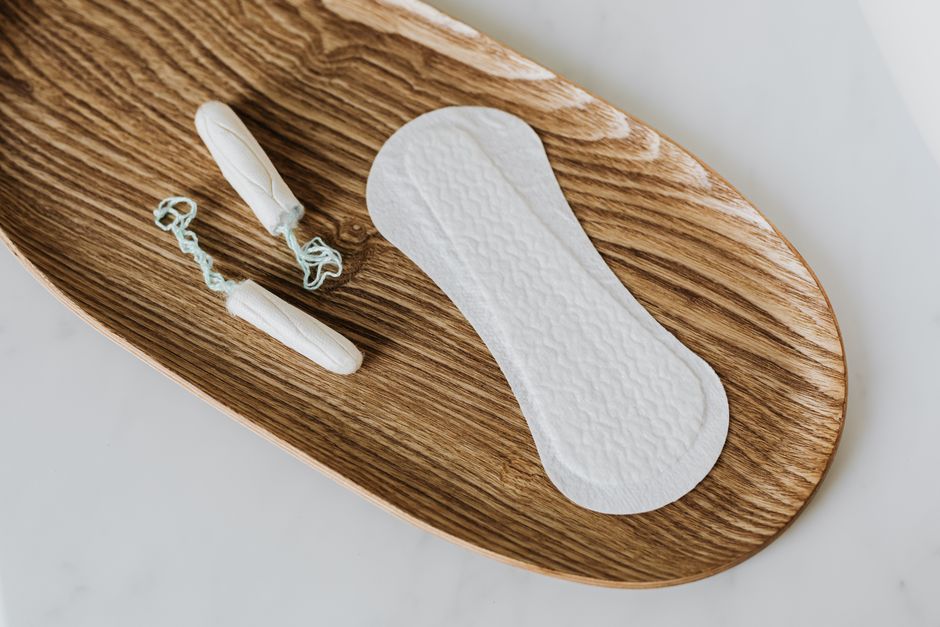
Inserting a tampon should not cause sharp pain. If it does, something specific is usually going on. The most common reasons are incorrect insertion technique, vaginal dryness, or a tilted cervix, but sometimes the pain points to a treatable medical condition like vaginismus or an infection. Understanding the actual cause is the first step to fixing the problem.
Why Does It Hurt To Put In Tampon? The Mechanics of Insertion
The vagina is a muscular canal, not an open hollow tube. At rest, its walls touch each other. A tampon needs a clear path to the cervix, which sits at the top of the canal. When insertion hurts, it usually means the tampon is hitting resistance before it reaches that space.
The most common mechanical error is angling the tampon incorrectly. The vagina tilts backward toward the lower spine, not straight up. Many people push the applicator at a 90-degree angle, pressing the tip directly into the vaginal wall. The correct angle is roughly 45 degrees, aiming toward the small of the back. If the applicator meets firm resistance immediately, changing the angle often solves the problem.
Another mechanical issue is pushing against the hymen. The hymen is a thin membrane near the vaginal opening. It usually has an opening large enough for a tampon, but in some people it is thicker or has a smaller opening. If the tampon feels like it is “catching” at the entrance, this may be the cause. This is not dangerous, but it requires a slower, more careful approach or a smaller tampon size.
Vaginal Dryness: A Common and Easily Fixed Cause
Vaginal tissue needs moisture to allow smooth insertion. When the tissue is dry, the tampon drags against the walls, causing friction and pain. This is especially common at the very beginning or end of a period when the flow is light. The tampon is absorbing fluid that is not there, so it expands against dry tissue.
Using a smaller absorbency tampon on light days is the most direct fix. A “regular” or “light” tampon is often enough. Adding a water-based lubricant to the tip of the applicator can also help. This is safe and does not affect the tampon’s function. If dryness is persistent beyond your period, it may relate to hormonal changes, certain medications like antihistamines, or perimenopause. Water-based lubricant remains the safest short-term solution.
Vaginismus: When the Pelvic Floor Muscles Clench
Vaginismus is a condition where the muscles around the vaginal opening contract involuntarily. The clenching happens automatically, not on purpose. When these muscles tighten, the opening narrows, and any attempt to insert a tampon meets a hard, unyielding wall. The pain can be sharp and immediate.
This is not a psychological weakness or something to “push through.” It is a real physical response, often linked to anxiety, past painful experiences, or pelvic floor dysfunction. Forcing a tampon in makes the clenching worse. The standard approach involves pelvic floor physical therapy, gradual desensitization with dilators, and sometimes cognitive behavioral therapy to address the anxiety component. A gynecologist can diagnose this condition and refer you to a specialist. Many people with vaginismus successfully transition to comfortable tampon use after treatment.





Infections and Skin Conditions That Cause Pain
Infections can inflame the vaginal tissue, making it tender and sensitive to touch. A yeast infection, bacterial vaginosis, or a sexually transmitted infection like herpes can all cause this. The tissue may look red, feel swollen, or itch. Inserting anything into an inflamed area will hurt.
If you notice an unusual discharge, a strong odor, itching, burning, or sores, stop using tampons until you see a doctor. Tampons can absorb discharge and hide symptoms, making diagnosis harder. They can also irritate already inflamed tissue further. A doctor can identify the specific infection and prescribe the correct treatment. Do not use over-the-counter yeast treatments if you are not certain you have a yeast infection — treating the wrong infection delays healing.
Another skin condition, lichen sclerosus, causes thin, fragile skin around the vaginal opening. This condition is more common in older women but can affect anyone. The skin tears easily, making tampon insertion painful. This requires a medical diagnosis and prescription treatment, usually a topical steroid.
Position of the Cervix and Uterine Conditions
The cervix sits at the top of the vagina, but its exact position varies. It can tilt forward, backward, or to the side. If your cervix is angled sharply, the tip of the tampon may press against it. The cervix has nerve endings and responds to pressure. This feels like a deep, cramping pain rather than a surface sting.
Uterine conditions can also create this deep pain. Uterine fibroids, which are non-cancerous growths, can press on the vaginal canal. Endometriosis can cause pelvic pain that worsens with any pressure, including tampon insertion. If the pain is deep, cramping, and accompanied by heavy periods or pain during sex, these conditions are worth discussing with a gynecologist. An ultrasound can detect fibroids and some cases of endometriosis.
An IUD is another factor. The strings from an IUD hang into the upper vagina. In rare cases, a tampon can catch on the strings, causing a sharp tugging sensation. If you have an IUD and feel this, check that the strings have not become displaced. Do not pull on them yourself — a doctor can verify the IUD is positioned correctly.
How to Insert a Tampon Comfortably: Step-by-Step
Relaxation changes everything. When you tense up, the pelvic floor muscles tighten, narrowing the entrance. Take a few slow breaths before starting. Sit on the toilet with your knees apart, or stand with one foot elevated on the bathtub edge. Both positions open the pelvic floor.
Use the smallest absorbency tampon you need. A “light” or “regular” tampon is easier to insert than a “super” one. If you have not used tampons before, start with a slim applicator style. Apply a small amount of water-based lubricant to the tip of the applicator if needed.
Insert the applicator at a 45-degree angle, aiming toward your lower back. Slide it in slowly until your fingers touch your body. Then push the plunger to release the tampon. Remove the applicator and check that the string hangs outside your body. The tampon should sit high enough that you cannot feel it. If you can feel it, it is not deep enough — remove it and try again with a fresh one.
If the tampon hurts on the way in, stop. Do not push through sharp pain. Remove it and reassess. Trying again with a different angle, more lubricant, or a smaller size is reasonable. If every attempt hurts, that is a signal to talk to a doctor, not to keep forcing it.
When to See a Doctor About Tampon Pain
Occasional pain during insertion is usually mechanical and easily fixed. Persistent pain is different. See a gynecologist if tampon insertion consistently hurts, if the pain is severe, or if you also have pelvic pain outside of your period. Pain with tampons plus pain during sex, heavy bleeding, or irregular cycles warrants a full evaluation.
If you suspect an infection, do not wait. Redness, swelling, unusual discharge, or a bad odor means you need a medical exam. These symptoms do not resolve on their own and can worsen without treatment.
One situation is urgent. If you insert a tampon and cannot remove it, or if you forget one and it stays in for more than 8 hours, seek medical help. A retained tampon can cause Toxic Shock Syndrome, a rare but serious bacterial infection. Symptoms include sudden high fever, vomiting, diarrhea, and a sunburn-like rash. This is a medical emergency.
Frequently Asked Questions
Why does my tampon hurt even when I use the smallest size?
Vaginal dryness or a tense pelvic floor is the most likely cause. Apply water-based lubricant to the applicator tip and try angling it toward your lower back at 45 degrees.
Can a tampon get stuck inside me?
No, a tampon cannot travel into your uterus because the cervix opening is too small. It can be difficult to reach with your fingers, but bearing down like you are having a bowel movement moves it lower so you can grip the string.
Is it normal for tampons to hurt the first time you use one?
Some discomfort can happen on the first try due to inexperience with the angle and technique. Sharp pain is not normal and usually indicates dryness, muscle tension, or an underlying condition that needs attention.
Can using a tampon cause an infection?
Tampons do not cause infections, but leaving one in too long can increase the risk of bacterial overgrowth. Change tampons every 4 to 8 hours and use the lowest absorbency that manages your flow.
