
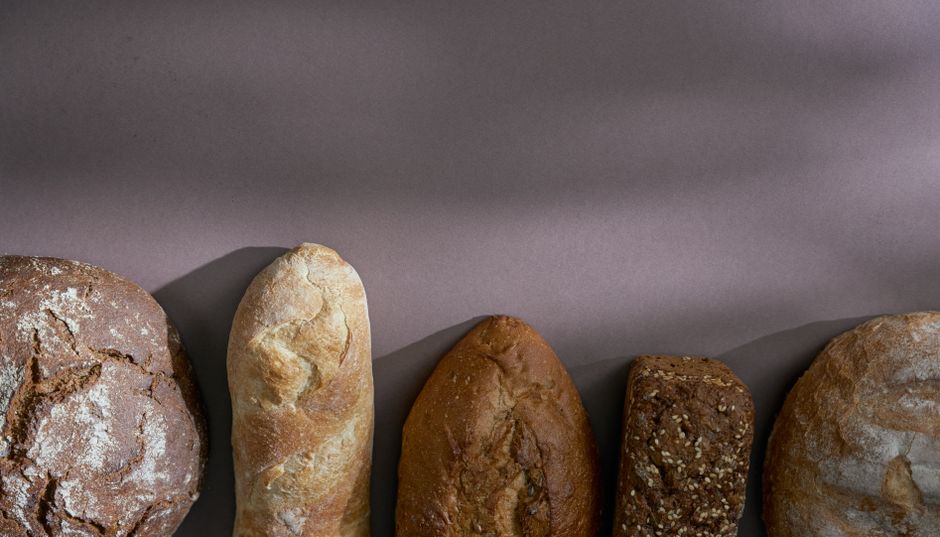
Eating bread with mold does not automatically make you sick. Most healthy people who accidentally eat a moldy slice experience nothing at all, because stomach acid and a small amount of mold are usually handled without any problem. The real risk depends on the type of mold, how much you ate, and your health. Some molds produce toxins called mycotoxins, and a few of those can cause illness. That is why the standard advice is simple: do not eat moldy bread, and throw the whole loaf out rather than cutting around the mold.
What Will Happen If You Eat Bread With Mold?
In most cases, nothing noticeable happens. Your digestive system is built to handle small amounts of foreign material, including mold spores and fragments.
When you swallow mold, it enters a stomach environment with a pH around 1.5 to 3.5. That acid destroys many microorganisms and breaks down some compounds. For a healthy adult, a bite of moldy bread is unlikely to cause symptoms. Some people may notice mild stomach upset, nausea, or loose stools, but this is not the typical outcome.
The situation changes when the mold produces harmful toxins, or when a person has a weakened immune system. In those cases, eating moldy food can lead to a genuine illness. It is rare, but it is the reason food safety guidance treats moldy bread as a food to discard, not salvage.
One thing worth knowing: the fuzzy green or blue patches you see are only the visible part. Mold grows in threads called hyphae that spread through the soft interior of bread, well beyond what your eyes can detect. This is why cutting off the moldy corner does not make the rest safe.
Why Is Mold on Bread More Concerning Than Mold on Hard Cheese?
Bread is soft and porous, which lets mold roots travel deep into the food. Hard cheese and firm vegetables are dense enough that mold tends to stay on the surface, which is why food safety agencies allow cutting a margin around mold on hard cheese but not on bread.
Bread also has the moisture and sugar content that mold needs to grow quickly. By the time a spot is visible, the growth has usually been underway for days. The visible patch is a sign, not the whole story.
This is the practical reason the advice differs by food type. It is not about being overly cautious with bread. It reflects how deeply mold penetrates a soft, high-moisture food compared with a hard, low-moisture one.
What Kinds of Mold Grow on Bread and Are They Dangerous?
Several common molds grow on bread, and most are not dangerous to healthy people. The concern is a smaller group that can produce mycotoxins, which are toxic compounds the mold releases.
Common bread molds include Rhizopus, Penicillium, Aspergillus, and Cladosporium species. Many of these are everyday environmental molds. Some Aspergillus species, however, can produce mycotoxins such as ochratoxin A, and some Penicillium species can produce other toxins. You cannot identify a mold by color alone. Green, blue, black, and white molds can belong to harmless or harmful groups, and telling them apart takes a laboratory.
This is the key point: you cannot look at a moldy slice and know whether it is the harmless kind or the toxin-producing kind. The safe assumption is that you cannot tell.
What about mycotoxins specifically?
Mycotoxins are the compounds that make some mold exposures a real health concern. They are not alive, so they are not killed by stomach acid the way mold cells can be. They can survive cooking and freezing too, which is why heating moldy bread does not make it safe.
Long-term, low-level exposure to certain mycotoxins is a documented food safety issue, particularly in stored grains. The health effects depend heavily on the toxin, the dose, and the person. A single bite of moldy bread is a very different exposure than eating contaminated grain regularly over months. The evidence for harm from a one-time small exposure in a healthy person is limited.

Can Moldy Bread Make You Sick Even If You Do Not See the Mold?
Yes, in principle. Mold can be present before it becomes visible, and mycotoxins can be present in bread that shows no obvious fuzz. This is uncommon in commercially baked bread sold fresh, but it is possible, especially with bread stored too long or in humid conditions.
Visible mold is the clearest warning sign, but it is not the only one. A musty or off smell can indicate mold growth even when you cannot see it. If bread smells wrong, treat that as a reason to discard it.
The reverse is also true: not every off smell is mold. Stale bread and rancid oils can smell unpleasant without any mold present. The reliable signal is visible growth or a musty odor, and when either is present, the loaf should go.
Who Is at Higher Risk From Eating Moldy Food?
Most healthy adults face little risk from a small accidental exposure. Certain groups are more vulnerable and should be more careful.
- People with weakened immune systems, including those undergoing chemotherapy, organ transplant recipients, and people with advanced HIV. Molds that are harmless to most people can cause serious infection in these groups.
- People with respiratory conditions such as asthma or mold allergy, who may react to inhaled spores as well as ingested mold.
- Pregnant women, who are generally advised to avoid moldy food as a precaution, though specific clinical guidelines for a one-time small exposure are limited.
- Young children and older adults, whose immune defenses may be less robust.
For these groups, the guidance is not dramatically different — avoid moldy food — but the consequences of a bad reaction can be more serious. If someone in a high-risk group eats moldy bread and develops symptoms, contacting a healthcare provider is reasonable.
What Symptoms Should You Watch For After Eating Moldy Bread?
Most reactions, when they happen, are mild and short-lived. Watch for nausea, stomach cramps, vomiting, or diarrhea in the hours after eating. These are the most common signs of a food-related upset.
Allergic reactions are possible in people sensitive to mold. These can include sneezing, runny nose, itchy eyes, or skin irritation. A severe allergic reaction with trouble breathing or swelling is a medical emergency and requires immediate care.
In rare cases, particularly in people with weakened immunity, mold can cause a more serious infection. Persistent fever, worsening symptoms, or breathing difficulty after exposure should prompt medical attention. These outcomes are uncommon, but they are the reason mold exposure is taken seriously in vulnerable people.
Does Cooking or Toasting Moldy Bread Make It Safe?
No. Heat can kill mold cells, but it does not reliably destroy mycotoxins, which are heat-stable. Toasting a moldy slice may reduce the living mold but leaves any toxins in place.
Freezing is similar. It stops mold growth but does not remove or neutralize toxins already present. Neither cooking nor freezing turns moldy bread into safe bread.
This is one of the most common misconceptions. People assume that heat solves the problem. For mold toxins, it generally does not.
What Should You Do If You Already Ate Moldy Bread?
Stay calm and monitor how you feel. For a healthy adult who ate a small amount, the most likely outcome is no symptoms at all. Drink water and note any stomach upset over the next several hours.
Do not try to make yourself vomit. That is not recommended for this kind of exposure and can cause harm. If you develop significant symptoms — repeated vomiting, severe abdominal pain, fever, or any breathing difficulty — seek medical care and mention that you ate moldy bread.
If you are in a high-risk group, or if a child ate a large amount, it is reasonable to call a healthcare provider or poison control for guidance. They can help you decide whether you need to be seen.
How Do You Prevent Mold on Bread in the First Place?
Store bread in a cool, dry place and keep it tightly wrapped or in a sealed container. Moisture is the main driver of mold growth, so keep the interior of the bag dry and avoid storing bread in a humid spot.
Buy only what you will use within a few days, or freeze portions you will not eat soon. Freezing fresh bread before mold develops is a practical way to extend its life. Once thawed, use it promptly.
Check bread before eating, especially the ends and the underside of slices, where mold often starts. If you see any fuzz, discard the whole loaf. Do not sniff-test aggressively or try to salvage part of it.
A useful rule: if you have to ask whether a spot is mold, treat it as mold. The cost of throwing out a loaf is small compared with the uncertainty of eating around it.
Frequently Asked Questions
Will I get sick if I eat a little moldy bread?
Most healthy people who eat a small amount of moldy bread do not get sick, because stomach acid and normal immune defenses handle small exposures. Mild stomach upset is possible but not the typical result.
Can you just cut the mold off bread and eat the rest?
No. Mold threads spread through the soft interior of bread beyond what you can see, so the rest of the loaf may already be affected. Food safety guidance recommends discarding the whole loaf.
Does toasting moldy bread kill the mold?
Heat can kill mold cells but does not reliably destroy mycotoxins, which are heat-stable. Toasting moldy bread does not make it safe to eat.
When should I see a doctor after eating moldy bread?
Seek medical care if you develop repeated vomiting, severe abdominal pain, fever, or any trouble breathing. People with weakened immune systems should contact a provider sooner rather than waiting for symptoms to worsen.
