

The first trimester of pregnancy is weeks 1 through 13. This count starts on the first day of your last menstrual period, not the day of conception. That means you are already about two weeks pregnant by the time a fertilized egg implants, which is why many women feel fine until around week 6.
How Are Pregnancy Weeks Counted?
Pregnancy is measured from the first day of your last menstrual period (LMP). This is a standardized medical approach used by doctors worldwide. Because the exact date of conception is rarely known, using the LMP gives a consistent starting point for everyone.
Under this system, conception typically happens around week 2, and a missed period usually occurs around week 4. A full pregnancy lasts about 40 weeks, divided into three trimesters of roughly 13 weeks each.
If you have irregular periods or do not know your LMP, an early ultrasound can date the pregnancy. Ultrasound measurements in the first trimester are accurate to within a few days when done before 13 weeks.
What Weeks Are The First Trimester Of Pregnancy: The 13-Week Breakdown
Weeks 1 and 2 are technically not pregnancy at all. Your body is preparing to ovulate and shed the uterine lining if fertilization does not occur. Week 3 is when fertilization and implantation usually happen, though you may not know yet.
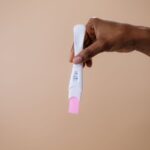
Week 4 is when a home pregnancy test typically turns positive. The embryo is a tiny ball of cells attaching to the uterine wall. By week 5, the neural tube — which becomes the brain and spinal cord — begins forming. This is why folic acid is recommended before and during early pregnancy.
Weeks 6 through 8 bring the most rapid development. The heart starts beating around week 6, often visible on an early ultrasound. Arms and legs begin as small buds. By week 8, the embryo has all basic organs in place, though they are not fully functional yet.
Weeks 9 through 13 mark the transition from embryo to fetus. The major organs continue to mature. The fetus can move, though you will not feel it yet. By the end of week 13, the risk of miscarriage drops significantly compared to the first few weeks.
Common Symptoms You Can Expect in the First Trimester
Hormone levels rise quickly in the first trimester, and this drives most symptoms. Human chorionic gonadotropin (hCG), estrogen, and progesterone all surge during these weeks. These hormones are essential for maintaining the pregnancy.
Nausea and vomiting, often called morning sickness, affects up to 80% of pregnancies. Despite the name, it can happen at any time of day. It typically peaks around weeks 8 to 10 and improves by week 13 or 14. The exact cause is not fully understood, but rising hormone levels and a sensitive stomach likely play a role.
Fatigue is one of the most common complaints. Your body is building a placenta, increasing blood volume, and growing a new organ system. This takes enormous energy. Most women find their energy returns in the second trimester.
Breast tenderness, frequent urination, and mild cramping are also normal. The uterus begins expanding, which can cause stretching sensations. Light spotting can occur around the time of implantation, but heavy bleeding should always be evaluated by a doctor.




When Does the Risk of Miscarriage Drop?
The risk of miscarriage is highest in the earliest weeks. Many losses happen before a woman even knows she is pregnant. Once a heartbeat is detected on ultrasound, usually around weeks 6 to 7, the risk declines substantially.
After week 12, the risk of miscarriage drops to about 1% to 2%. This is why many women wait until the end of the first trimester to announce their pregnancy. The placenta takes over hormone production around week 10, which stabilizes the pregnancy.
It is important to understand that most first-trimester miscarriages are due to chromosomal abnormalities in the embryo. These are random events, not caused by anything the mother did. Stress, exercise, and sexual activity do not cause miscarriage in a normal pregnancy.
Important Prenatal Care in the First Trimester
Your first prenatal visit usually happens between weeks 6 and 10. At this visit, your doctor will confirm the pregnancy, estimate your due date, and run baseline blood tests. This includes checking blood type, hemoglobin levels, and immunity to certain infections.
Prenatal vitamins should start before conception if possible. Folic acid at 400 to 800 micrograms daily significantly reduces the risk of neural tube defects. Iron, calcium, and vitamin D are also important, and most prenatal vitamins contain appropriate amounts.
Certain foods should be avoided during the first trimester. These include raw or undercooked fish, unpasteurized dairy products, and deli meats unless heated until steaming. These carry a risk of listeria infection, which can harm the fetus. Alcohol should be completely avoided, as no safe amount has been established.
Warning Signs That Need Medical Attention
Most first-trimester symptoms are uncomfortable but harmless. However, some signs require immediate medical evaluation. Heavy bleeding, especially with clots, can indicate a miscarriage or ectopic pregnancy. Severe abdominal pain on one side may be a sign of an ectopic pregnancy, which is a medical emergency.
High fever above 101°F, severe vomiting that prevents keeping down fluids, and fainting also require prompt attention. Painful urination could indicate a urinary tract infection, which is common in pregnancy but needs treatment.
Do not hesitate to call your doctor about any concern. It is always better to be checked than to worry. Most women who experience spotting or mild cramping go on to have healthy pregnancies, but only a doctor can assess your specific situation.
What Happens at the End of the First Trimester?
At week 13, the fetus is about 3 inches long and weighs roughly an ounce. All major organs have formed, and the risk of birth defects from environmental exposures decreases. The fetus can make facial expressions and even suck its thumb, though these movements are not yet felt.
For the mother, nausea and fatigue often begin to fade. The second trimester is frequently described as the easiest period of pregnancy. The uterus rises above the pelvis, which can relieve bladder pressure and reduce the urge to urinate frequently.
The first trimester is a period of rapid change and vulnerability. Understanding what to expect can reduce anxiety. If you are pregnant, schedule your first prenatal visit early, take your vitamins, and reach out to your healthcare provider with any concerns.
Frequently Asked Questions
Does the first trimester count from conception or your last period?
It counts from the first day of your last menstrual period, which is about two weeks before conception. This is the standard medical method used to date all pregnancies.
Can you feel pregnancy symptoms before week 4?
Some women notice breast tenderness or fatigue in the week before a missed period, but most symptoms start around week 5 or 6. Hormone levels need time to build up before they cause noticeable changes.
Is it safe to exercise during the first trimester?
Yes, moderate exercise is safe for most healthy pregnancies. Walking, swimming, and prenatal yoga are good options, but always check with your doctor before starting a new routine.
When should you first see a doctor during pregnancy?
Most doctors recommend scheduling your first prenatal visit by week 8 to 10. Earlier visits may be needed if you have medical conditions or a history of pregnancy complications.
