
Most vegetables are safe and beneficial during pregnancy. The real concern is not the vegetable itself but how it is handled, stored, or prepared. A small number of raw sprouts and unwashed produce carry meaningful infection risks, and those are the ones worth paying attention to.
Pregnancy changes how the immune system responds to certain infections. Some foodborne illnesses that cause mild symptoms in other adults can become serious for a pregnant person and the developing fetus. That is why food safety guidance during pregnancy focuses on reducing exposure to pathogens rather than limiting vegetables themselves.
What Vegetables To Avoid During Pregnancy?
Raw sprouts are the main vegetable category that public health agencies consistently advise pregnant people to avoid. That includes alfalfa sprouts, clover sprouts, mung bean sprouts, radish sprouts, and broccoli sprouts.
Sprouts are grown in warm, humid conditions that also favor bacterial growth. Contamination can happen at the seed stage and persist through the sprouting process. Washing sprouts does not reliably remove bacteria because contamination can be inside the seed or within the sprout structure itself. Cooking sprouts thoroughly kills bacteria, but many people eat them raw on salads and sandwiches.
Unwashed raw vegetables are the second category worth attention. Any raw produce can carry Listeria, Salmonella, or E. coli from soil, water, or handling. Thorough washing under running water reduces risk. The FDA does not recommend using soap or produce washes — plain running water and friction from your hands or a vegetable brush is the standard method.
Freshly cut produce that has been sitting out at room temperature for extended periods is also a concern. Cut surfaces give bacteria a place to multiply. Refrigerate cut produce within two hours, or within one hour if the temperature is above 90°F.
Why Are Raw Sprouts Considered a Higher Risk?
Sprout seeds can carry bacteria before they ever reach the consumer. The sprouting environment — warm, moist, and enclosed — allows any bacteria present to multiply quickly. Unlike many vegetables where surface contamination is the main issue, sprout contamination can be systemic.
Federal health agencies have linked raw sprouts to multiple foodborne illness outbreaks over the years. The FDA advises pregnant people, older adults, young children, and people with weakened immune systems to avoid raw sprouts specifically. This is a long-standing recommendation based on a documented pattern of outbreaks, not a theoretical concern.
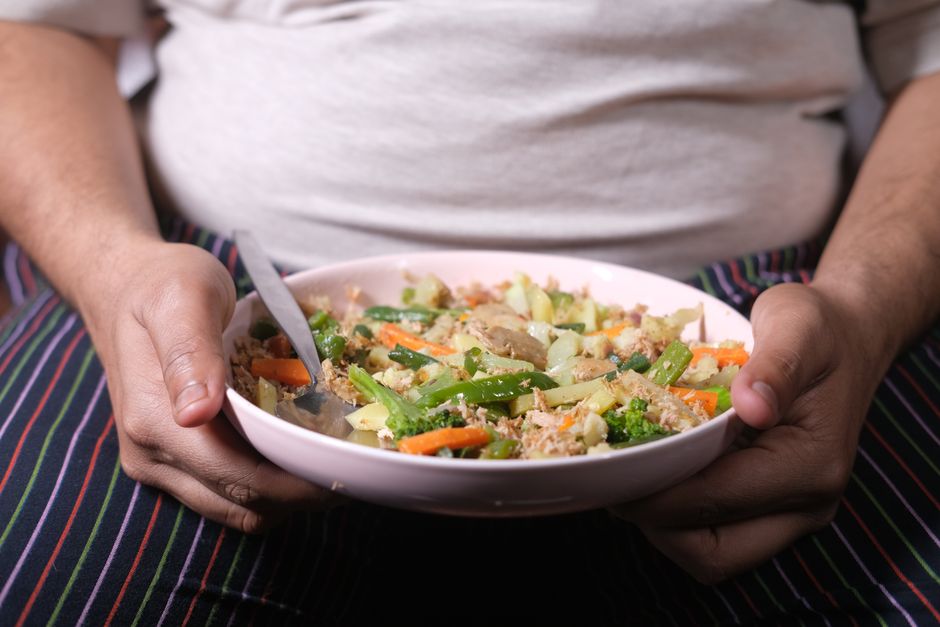
If you want sprouts during pregnancy, cooked sprouts are considered safe. Stir-frying, boiling, or otherwise thoroughly cooking them kills the bacteria that make raw sprouts risky.
Does Washing Vegetables Remove All Risk?
Washing reduces risk but does not eliminate it. Running water removes dirt, some surface bacteria, and pesticide residue. It cannot remove bacteria that have been taken up inside the plant tissue or that are tightly attached to surfaces.
That said, washing is still one of the most effective steps you can take. The FDA recommends rinsing raw produce under running water before eating, cutting, or cooking. For firm produce like cucumbers or melons, scrubbing with a clean vegetable brush under running water is appropriate. Even if you plan to peel a vegetable, wash it first — bacteria on the surface can transfer to the flesh when you cut through it.
Do not use soap, detergent, or commercial produce washes. These are not approved for use on food and can leave residues. Plain water is the recommended method.
Leafy greens need extra attention. Separate the leaves and rinse each one under running water. For heads of lettuce or cabbage, discard the outermost leaves.




What About Unpasteurized or Raw Vegetable Juices?
Fresh-squeezed or raw vegetable juices carry a similar risk to unwashed raw produce, and sometimes a higher one. Juicing concentrates bacteria from a larger volume of vegetables into a smaller amount of liquid. If any of those vegetables carried pathogens, the juice now contains them in a form that is easy to consume in quantity.
Pasteurized juices are considered safe. Commercially bottled juices that have undergone pasteurization are treated to kill harmful bacteria. If you are unsure whether a juice is pasteurized, ask or check the label. Unpasteurized juices are typically found at juice bars, farmers markets, and some grocery stores, and they are usually labeled as such or sold refrigerated with a short shelf life.
If you make juice at home, wash all produce thoroughly first and drink it immediately. Do not store fresh juice for more than a day or two, even refrigerated.
Are There Vegetables That Are Off-Limits for Other Reasons?
No vegetable is inherently unsafe during pregnancy because of its nutritional content. The concerns are almost entirely about microbial contamination. However, a few practical points are worth knowing.
Raw or undercooked vegetables that are part of dishes containing other high-risk ingredients — like unpasteurized soft cheese, raw eggs, or undercooked meat — inherit that risk. A salad topped with unpasteurized feta carries the same concern as the cheese itself.
Some people avoid certain vegetables during pregnancy because of concerns about herbs or phytochemicals. For common culinary vegetables like carrots, broccoli, spinach, and peppers, there is no evidence that normal consumption poses a risk. These are among the most nutrient-dense foods available and are recommended as part of a healthy pregnancy diet.
One area where evidence is limited is herbal or medicinal preparations made from vegetables or plants — concentrated extracts, powders, or supplements. These are not the same as eating the vegetable itself. No clinical guidelines currently exist for the safe use of most concentrated herbal preparations during pregnancy, and some have been associated with harm. If you are considering a concentrated vegetable or herbal supplement during pregnancy, talk to your healthcare provider first.
How Should Vegetables Be Stored and Handled During Pregnancy?
Safe handling matters as much as which vegetables you choose. The goal is to prevent bacteria from multiplying between the store and your plate.
- Refrigerate perishable produce within two hours of cutting or purchasing. Set your refrigerator to 40°F or below.
- Keep raw vegetables separate from raw meat, poultry, and seafood in your shopping cart, grocery bags, and refrigerator.
- Wash your hands with soap and water for at least 20 seconds before and after handling raw produce.
- Wash cutting boards, knives, and countertops with hot soapy water after preparing raw vegetables, especially after contact with raw meat.
- Discard any produce that is bruised, moldy, or has been sitting out too long.
- Do not eat raw sprouts of any kind.
These steps are standard food safety practices recommended for everyone, not just pregnant people. They matter more during pregnancy because of the increased risk from certain infections.
What Are the Symptoms of a Foodborne Illness?
Foodborne illness symptoms typically include nausea, vomiting, diarrhea, stomach cramps, and sometimes fever. Symptoms can appear within hours or take several days to develop, depending on the organism.
Listeria is the infection of greatest concern during pregnancy, and it can be tricky because symptoms may be mild or flu-like — muscle aches, fatigue, and sometimes fever — and may not include digestive symptoms at all. Some people carry the infection without noticing significant symptoms. Because of this, if you experience any symptoms that could suggest a foodborne infection during pregnancy, contact your healthcare provider rather than waiting to see if it resolves on its own.
Listeria can cross the placenta and affect the fetus even when the pregnant person feels only mildly ill. This is why prompt medical attention matters. Diagnosis typically involves a blood test, and treatment with antibiotics is available when infection is confirmed.
Do You Need to Avoid Any Vegetables Completely?
Raw sprouts are the only vegetable category where public health agencies consistently recommend complete avoidance during pregnancy. Everything else comes down to proper washing, storage, and handling.
This is an important distinction. The instinct to cut out entire food groups during pregnancy can lead to unnecessary nutritional gaps. Vegetables provide folate, fiber, vitamin C, potassium, and other nutrients that support a healthy pregnancy. Removing them without a clear reason does more harm than good.
The evidence does not support avoiding vegetables like spinach, kale, broccoli, bell peppers, tomatoes, or root vegetables during pregnancy. These are among the foods most recommended for their nutritional value. The focus should be on preparation and hygiene, not elimination.
Frequently Asked Questions
Can I eat raw sprouts if I wash them really well?
No. Washing does not reliably remove bacteria from sprouts because contamination can be inside the seed or sprout tissue. Public health agencies advise pregnant people to avoid raw sprouts entirely.
Are bagged salads safe during pregnancy?
Bagged salads labeled as pre-washed can be eaten without additional washing, though many people rinse them again as a precaution. If the bag does not say pre-washed or ready-to-eat, wash the greens thoroughly under running water.
Can I drink fresh vegetable juice while pregnant?
Only if it has been pasteurized. Unpasteurized fresh juice carries the same bacterial risks as unwashed raw produce, and those risks are concentrated in the liquid. If you juice at home, wash everything thoroughly and drink it right away.
Is it safe to eat raw vegetables during pregnancy?
Yes, as long as they are washed thoroughly under running water and handled hygienically. Raw vegetables are a valuable source of nutrients during pregnancy, and the risk comes from contamination, not the vegetables themselves.
