
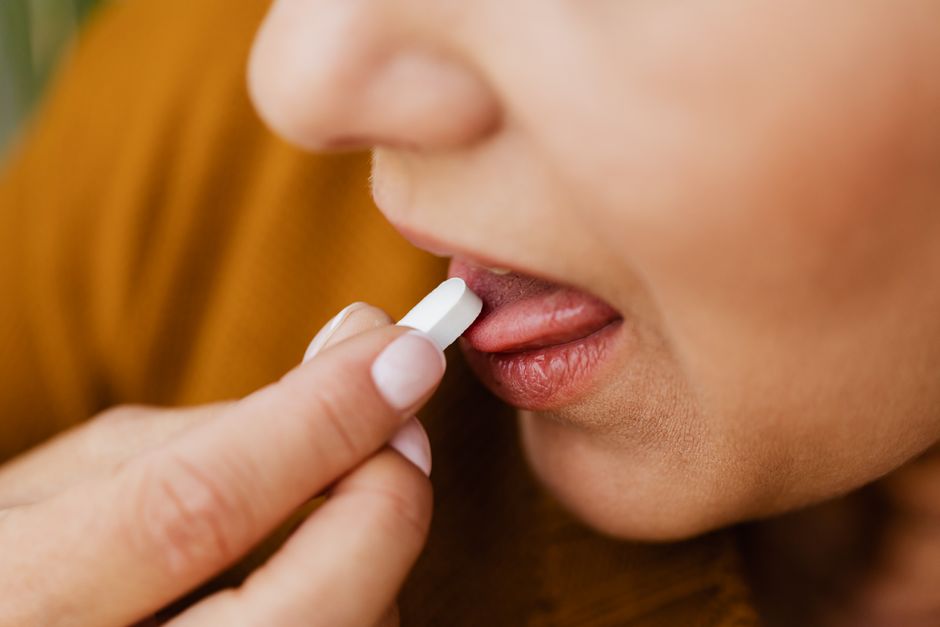
Excess saliva during pregnancy is common, especially in the first trimester, and it usually fades on its own by the second trimester. There is no cure, but sipping water, chewing sugar-free gum, and avoiding starchy or sugary foods can make it more manageable. If it comes with severe nausea or vomiting, that is a reason to call your doctor rather than treat it at home.
What Is Excessive Saliva During Pregnancy?
The medical term is ptyalism, and it means producing more saliva than usual or having trouble swallowing what you produce. It is different from the occasional watery mouth. With ptyalism, saliva builds up enough that you may need to spit often, swallow constantly, or carry a cup to spit into.
Ptyalism in pregnancy is well documented in obstetric literature but is not fully understood. It tends to appear early, often alongside morning sickness. Some people notice it before they even confirm a pregnancy.
It is not dangerous on its own. It is uncomfortable, sometimes embarrassing, and can affect sleep and appetite. The bigger concern is when it comes with hyperemesis gravidarum, a severe form of pregnancy nausea and vomiting that can lead to dehydration and weight loss. In that case, the saliva is a symptom of something that needs medical attention.
What Causes Excessive Saliva During Pregnancy?
The exact cause is not known. Several factors likely work together.
Hormonal changes are the leading explanation. Estrogen and progesterone rise sharply in early pregnancy, and both can affect the salivary glands and the nerves that control them. Some researchers have looked at whether human chorionic gonadotropin, the hormone measured in pregnancy tests, plays a role. The evidence there is not settled.
Nausea is closely linked. When you feel sick, you swallow less often. Saliva that would normally be swallowed without thinking starts to pool in your mouth. This is why ptyalism and morning sickness so often show up together. Treating the nausea sometimes reduces the saliva, though not always.
Heartburn and acid reflux may add to it. Stomach acid that moves up into the throat can trigger more saliva production as a protective response. Many pregnant people have reflux, especially later in pregnancy when the growing uterus presses on the stomach.
A few other things can make it worse:
- Starchy or sugary foods, which some people find increase saliva
- Strong smells, which can trigger nausea and the swallowing changes that follow
- Certain medications, including some anti-nausea drugs
- Mouth or throat irritation
One point worth knowing: ptyalism is not the same as drooling during sleep. Drooling happens when you are asleep and not swallowing. Ptyalism is a daytime problem driven by increased production or reduced swallowing while you are awake. They can overlap, but they are not the same thing.
How Long Does Excessive Saliva Last in Pregnancy?
For most people, it eases by the end of the first trimester or early in the second. That timing lines up with when nausea typically improves.
For some, it continues longer. A smaller number of people have it through the third trimester. There is no reliable way to predict which group you will fall into. If you had ptyalism in a previous pregnancy, you are more likely to have it again.
If it starts suddenly in the second or third trimester, that is unusual and worth mentioning to your doctor. New onset later in pregnancy can point to reflux or another issue rather than the typical hormonal pattern.



How To Stop Excessive Saliva During Pregnancy: What Actually Helps
There is no treatment that stops it. What follows are the approaches most often suggested by clinicians, ranked roughly by how commonly they are used. None of them are backed by large clinical trials, so think of them as comfort measures rather than fixes.
Sip water often. Small sips throughout the day help clear the mouth and dilute saliva. Some people find cold water more helpful than room temperature.
Chew sugar-free gum or suck on hard candy. Chewing increases swallowing, which clears saliva from the mouth. Sugar-free options matter because constant sugar exposure raises cavity risk. If you use hard candy, choose sugar-free and do not chew it, since chewing sticky candy can damage teeth.
Avoid trigger foods. Starchy foods like pasta, bread, and potatoes, and sugary foods, are common triggers. So are strong-smelling foods if they set off nausea. Keeping a food and symptom log for a week can help you spot your own pattern.
Try an astringent rinse. Some clinicians suggest rinsing with a dilute solution of lemon juice or a mild saltwater rinse. The idea is that astringents can temporarily reduce saliva flow. This is a traditional remedy, not a proven one. Do not swallow the rinse, and do not use it if you have mouth sores.
Brush and rinse frequently. Excess saliva can change the taste in your mouth and raise the risk of dental problems. Brushing twice a day and rinsing with water after meals helps.
Treat the nausea. If nausea is driving the saliva, getting nausea under control can help. Talk to your doctor about options. Some anti-nausea medications are considered safe in pregnancy, but that is a decision for your clinician, not something to sort out on your own.
Chew on ice or frozen fruit. Cold can numb the mouth slightly and reduce the urge to spit. This is a comfort measure, not a treatment.
What does not help: trying to swallow constantly. That can make nausea worse. Spitting into a cup is fine if you need to, though it is not a long-term solution.
When Should You Call Your Doctor About Excess Saliva?
Call your doctor if the saliva comes with any of the following:
- Vomiting that keeps you from keeping food or fluids down
- Weight loss
- Dark urine or urinating much less than usual
- Dizziness or fainting
- Rapid heartbeat
- Saliva that starts suddenly after the first trimester
- Mouth sores, bleeding gums, or trouble swallowing
The combination of heavy saliva and severe vomiting can be a sign of hyperemesis gravidarum. This condition affects a small share of pregnancies and can lead to dehydration and electrolyte problems. It often needs treatment, sometimes in the hospital. Do not try to manage it at home.
If the saliva is affecting your sleep, your appetite, or your ability to leave the house, that is also worth a conversation. It is not dangerous, but it is a real quality-of-life issue and you do not have to just put up with it.
Does Excess Saliva Affect the Baby?
No. Ptyalism itself does not harm the baby. It does not affect growth, development, or the outcome of the pregnancy.
The risk comes from what it can be linked to. If you cannot keep fluids down because of nausea and vomiting, dehydration can affect you and, in severe cases, the pregnancy. That is why the vomiting matters more than the saliva.
There is also a dental angle. Constant saliva and frequent snacking on sugary foods or candies can raise the risk of cavities and gum problems. Pregnancy already increases gum disease risk because of hormonal changes. Keeping up with dental care during pregnancy is safe and recommended.
Is There Anything That Prevents It?
No. There is no known way to prevent ptyalism in pregnancy. It is not caused by anything you did or did not do.
If you had it in a previous pregnancy, you are more likely to have it again. Knowing that can help you plan. You might stock up on sugar-free gum, keep water nearby, and talk to your doctor early about nausea treatment if that was part of the picture last time.
For everyone else, there is not much to do ahead of time. The main thing is to recognize it if it starts and know that it usually does not last.
Frequently Asked Questions
How long does excessive saliva last during pregnancy?
For most people it eases by the end of the first trimester or early in the second. A smaller number of people have it through the third trimester, and there is no reliable way to predict which group you will be in.
Is excessive saliva during pregnancy a sign of a boy or girl?
No. There is no evidence that ptyalism is linked to the baby’s sex. It is tied to hormonal changes and nausea, not to whether you are carrying a boy or a girl.
Can I take medication to stop excess saliva while pregnant?
No medication is approved specifically for ptyalism in pregnancy, and none should be started without your doctor’s guidance. Some clinicians may treat the underlying nausea, but that decision has to be made by your care team.
When should I worry about excessive saliva during pregnancy?
Worry if it comes with vomiting that keeps you from keeping fluids down, weight loss, dark urine, dizziness, or a rapid heartbeat. Those signs can point to dehydration or hyperemesis gravidarum, which needs medical care.
