
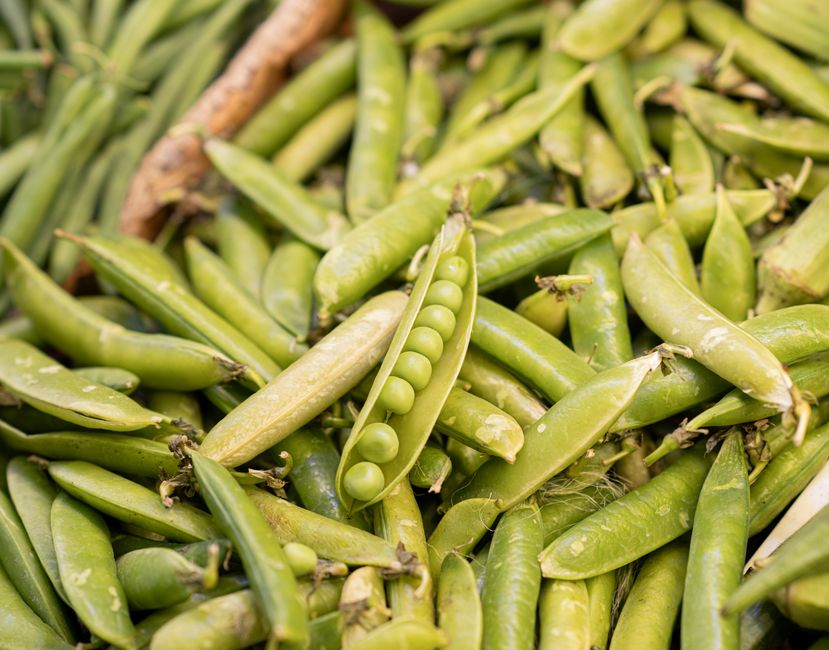
If you are looking to get more protein from plants, legumes are the clear winners among vegetables. Soybeans, lentils, and split peas top the list, followed by beans like kidney, black, and pinto. Green vegetables such as spinach, broccoli, and peas also contribute protein, just in smaller amounts per serving.
Protein is not just a bodybuilder’s concern. It builds and repairs muscle, makes enzymes and hormones, and supports immune function. Most Americans get plenty of protein from meat, eggs, and dairy. But if you eat less meat or none at all, vegetables and legumes can carry more of the load than many people realize.
What Vegetables Have The Most Protein?
Legumes are the protein leaders in the plant world. Botanically, legumes are the seeds of plants in the Fabaceae family — and nutritionally, they behave more like a protein source than a vegetable. That distinction matters when you are planning meals.
Here is how some common options compare per cooked cup, using data from the USDA FoodData Central database:
| Food (1 cup cooked) | Protein |
|---|---|
| Soybeans | About 29 grams |
| Lentils | About 18 grams |
| Split peas | About 16 grams |
| Kidney beans | About 15 grams |
| Black beans | About 15 grams |
| Pinto beans | About 15 grams |
| Chickpeas | About 15 grams |
| Edamame (shelled) | About 18 grams |
| Green peas | About 8 grams |
| Spinach | About 5 grams |
| Broccoli | About 4 grams |
| Potato (with skin) | About 4 grams |
These numbers are approximate because cooking method, variety, and water content vary. But the ranking is consistent: soybeans lead by a wide margin, lentils and split peas follow, and the common beans cluster together.
Are Legumes Actually Vegetables?
Botanically, no. A legume is the seed or pod of a flowering plant, and it is classified as a fruit in botanical terms. Nutritionally and culinarily, though, legumes are often grouped with vegetables because they are plant foods eaten alongside or instead of meat.
This matters for two reasons. First, when people ask about high-protein vegetables, they usually mean legumes without using that word. Second, the USDA dietary guidelines count legumes in two categories — as a protein food and as a vegetable. If you are tracking your intake, beans and lentils can count toward either goal, but not both at once.
There is a practical takeaway here. If you are trying to eat more plant protein, you do not need to hunt for exotic vegetables. A pot of lentils or a can of black beans does more for your protein intake than a plate of broccoli ever will.
How Much Protein Do You Actually Need?
The Recommended Dietary Allowance for protein is 0.8 grams per kilogram of body weight per day for most healthy adults. For a 150-pound person, that works out to about 54 grams per day.
That number is a minimum to prevent deficiency, not an ideal target. People who are physically active, older adults, and those recovering from illness often need more. Some research suggests higher intakes support muscle maintenance as we age, though the exact optimal amount is still debated.
For context, one cup of cooked lentils provides about 18 grams of protein. That is roughly a third of the daily requirement for a 150-pound adult, from a single serving of a food most people think of as a side dish.
What matters more than any single number is the pattern. If most of your meals include a protein source — whether animal or plant — you are likely meeting your needs without tracking every gram.



Can You Get Complete Protein From Vegetables Alone?
Yes, but it takes some planning. Protein is made of 20 amino acids. Nine of them are essential, meaning your body cannot make them and must get them from food. A “complete” protein contains all nine in adequate amounts.
Most plant foods are low in one or more essential amino acids. Grains tend to be low in lysine. Legumes tend to be low in methionine. This is why traditional diets around the world pair them — rice and beans, hummus and pita, lentils and rice.
Here is the part many people get wrong. You do not need to combine those foods in the same meal. Your body maintains a pool of amino acids and draws from it throughout the day. Eating a variety of plant proteins over the course of a day is enough.
Soy is the exception. Soybeans, edamame, and tofu are complete proteins on their own, which is one reason soy foods are staples in vegetarian diets.
Do Vegetables Have Enough Protein to Replace Meat?
For most people, yes — with attention to total intake. The evidence on plant-based diets is substantial. Research consistently shows that well-planned vegetarian and vegan diets can meet protein needs at every stage of life, including for athletes.
The catch is volume and variety. You would need to eat a lot of broccoli to match the protein in a chicken breast. Legumes make the math much easier. A cup of lentils has about as much protein as three ounces of chicken.
Some nutrients need more attention on a plant-based diet. Vitamin B12 is the big one — it is found naturally almost exclusively in animal foods, and reliable plant sources are fortified foods or supplements. Iron, zinc, calcium, and omega-3 fats also deserve attention. These are manageable with planning, but they are not automatic.
If you are considering a major dietary shift, especially if you are pregnant, breastfeeding, or managing a health condition, talk with a doctor or registered dietitian. General guidance does not always fit individual circumstances.
Which Vegetables Have the Most Protein Per Calorie?
Protein density — grams of protein per calorie — tells a different story than protein per serving. By this measure, green vegetables hold their own.
Spinach, broccoli, and mushrooms deliver a high percentage of their calories as protein. The catch is that their total calorie content is very low, so the absolute amount of protein per serving stays small. You would need to eat a large volume to get meaningful protein.
Legumes win on both measures. They are protein-dense and provide enough total protein per serving to matter. That combination is why they anchor most plant-based diets.
If your goal is maximizing protein while keeping calories moderate, legumes are the practical choice. If your goal is simply eating more vegetables overall, the protein contribution from greens is a bonus, not the main event.
Does Cooking Affect Protein in Vegetables?
Cooking does not destroy protein in any meaningful way. Heat can change protein structure — that is what happens when an egg cooks — but the amino acids remain available for digestion.
What cooking does affect is water content. Boiling beans or vegetables causes them to absorb water, which lowers protein concentration per cup. The total protein in the pot stays the same. This is why one cup of cooked lentils has less protein than one cup of dry lentils.
Some water-soluble nutrients, like certain B vitamins and vitamin C, do leach into cooking water. Protein is not one of them. If you are counting grams, use cooked weights and USDA values for cooked foods rather than trying to convert from dry.
How to Add More Protein From Vegetables to Your Day
Small changes add up. You do not need to overhaul your diet to increase plant protein.
- Add a half cup of lentils to soups, stews, or pasta sauce.
- Swap half the ground meat in tacos or chili for black beans.
- Snack on roasted chickpeas instead of chips.
- Top salads with edamame or chickpeas instead of croutons.
- Blend white beans into dips, dressings, or even brownies for added protein and fiber.
- Keep frozen edamame on hand for a quick steam-and-serve side.
These swaps also increase fiber, which most Americans do not get enough of. Fiber supports digestive health and helps with blood sugar and cholesterol management. That is a real benefit that goes beyond protein.
One note on canned beans: they are nutritionally similar to dried beans and much faster to use. Rinsing them reduces sodium significantly. If you are watching salt intake, that step is worth the extra minute.
Frequently Asked Questions
Which vegetable has the most protein?
Soybeans have the most protein of any legume or vegetable, with about 29 grams per cooked cup. Lentils and split peas are next, at roughly 18 and 16 grams per cup.
Is broccoli a good source of protein?
Broccoli provides about 4 grams of protein per cooked cup, which is modest compared to legumes. It is a nutritious vegetable, but it is not a practical primary protein source.
Can I get enough protein from vegetables without eating meat?
Yes, a well-planned plant-based diet can meet protein needs for most adults. Legumes, soy foods, whole grains, nuts, and seeds together provide adequate protein, though vitamin B12 and some minerals need attention.
Do I need to combine beans and rice at the same meal for complete protein?
No, that is an outdated idea. Your body pools amino acids across the day, so eating a variety of plant proteins over 24 hours is enough.
