
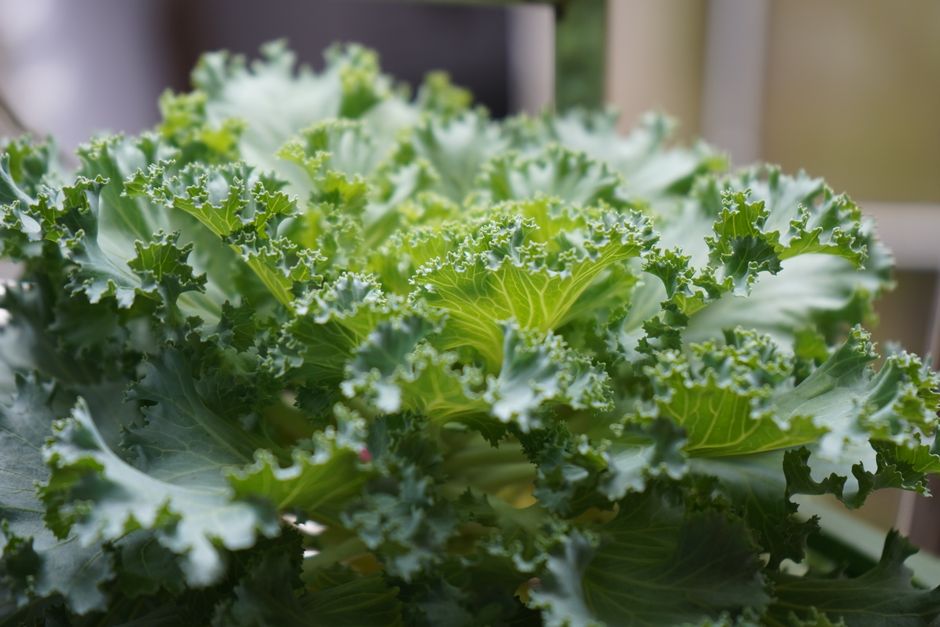
Kale is a leafy green vegetable that belongs to the Brassica oleracea species, the same plant family as cabbage, broccoli, cauliflower, and Brussels sprouts. It is a cultivar of wild cabbage, selectively bred over centuries for its edible leaves rather than a flower head or root. Unlike its close relatives, kale does not form a tight head — it grows in loose, ruffled or flat leaves that are typically dark green or purple.
What Plant Family Does Kale Belong To?
Kale is part of the Brassicaceae family, often called the mustard or cabbage family. This group includes many common vegetables grown for their nutrient density and distinctive flavors. The CDC reports that adults in the United States eat far fewer leafy greens than recommended, and kale is one of the most nutrient-packed options available.
All Brassica oleracea vegetables share a common ancestor — wild cabbage that grew along coastal Europe. Through thousands of years of selective breeding, farmers created different varieties. Kale was one of the earliest forms. The ancient Greeks and Romans grew it. By the Middle Ages, kale was a staple food across Europe because it grew well in cold climates and poor soil.
Research published in Genetic Resources and Crop Evolution confirms that kale is genetically closest to wild cabbage. This means kale is not a hybrid or a modern invention. It is one of the original forms of cabbage before humans bred for tight heads or large flower clusters.
Is Kale a Type of Cabbage or Lettuce?
Kale is a type of cabbage, not lettuce. Both kale and head cabbage are the same species: Brassica oleracea. The difference is in the part of the plant we eat. Head cabbage has been bred to form a dense ball of overlapping leaves. Kale has been bred to keep its leaves separate and open.
Lettuce is a completely different plant. Lettuce belongs to the Asteraceae family and the genus Lactuca. The two plants are not closely related at all. Lettuce has a lighter texture and higher water content. Kale has thicker, tougher leaves and a much higher concentration of fiber, vitamins, and minerals.
If you see kale sold next to lettuce in a grocery store, that is for convenience, not botany. The USDA categorizes kale as a dark green vegetable in its dietary guidelines, separate from lettuce and other salad greens. The confusion happens because both are used raw in salads, but their nutritional profiles are very different.
What Are the Different Types of Kale?
There are several common varieties of kale, and they differ in leaf shape, color, and texture. The most widely available type in US grocery stores is curly kale. Its leaves are tightly ruffled and have a slightly peppery, bitter taste. Curly kale holds up well in cooking and is the variety most often used for kale chips.
Lacinato kale, also called dinosaur kale or Tuscan kale, has long, narrow, dark blue-green leaves with a bumpy texture. It is less bitter than curly kale and has a more earthy, nutty flavor. Many cooks prefer it for salads because the leaves are tender enough to eat raw without massaging.
Red Russian kale has flat, fringed leaves with purple stems and veins. It is milder than curly kale and becomes sweeter after frost. Siberian kale is similar but has wider leaves and is more cold-tolerant. There is also ornamental kale, grown for its colorful white, pink, or purple centers. Ornamental kale is edible but tends to be tougher and more bitter than culinary varieties.
Here is a quick comparison of the most common kale types:
| Type | Leaf Shape | Flavor | Best Use |
|---|---|---|---|
| Curly kale | Tightly ruffled | Peppery, bitter | Cooking, chips, soups |
| Lacinato (dinosaur) | Long, narrow, bumpy | Earthy, nutty | Salads, sautés, smoothies |
| Red Russian | Flat, fringed, purple stems | Mild, sweet after frost | Salads, light cooking |
| Siberian | Wide, flat | Mild, tender | Cold-weather growing, cooking |
| Ornamental | Frilly, colorful center | Tough, bitter | Garnish, light cooking |





Is Kale a Superfood or Just Hype?
Kale is genuinely nutrient-dense, but the term “superfood” is a marketing label, not a scientific classification. The American Heart Association recommends kale as part of a heart-healthy diet because it is high in fiber, antioxidants, and several vitamins with no saturated fat or cholesterol. One cup of raw kale provides more than 100% of the daily value for vitamin K, over 200% for vitamin A, and about 130% for vitamin C.
Research published in Nutrients found that kale contains high levels of glucosinolates, compounds that may help reduce inflammation and lower cancer risk. These are the same compounds found in broccoli and Brussels sprouts. Kale also contains lutein and zeaxanthin, two antioxidants that protect eye health and reduce the risk of age-related macular degeneration.
However, kale is not a miracle food. It does not cure disease on its own. Some online claims suggest kale can prevent cancer or reverse chronic illness, but strong clinical evidence for those specific claims is limited. The real benefit comes from eating kale as part of an overall balanced diet, not from eating kale alone. No single vegetable provides everything your body needs.
What Vegetable Is Kale Most Similar To?
Kale is most similar to collard greens. Both are non-heading Brassica oleracea varieties with large, edible leaves. Collard greens have smooth, flat leaves while kale leaves are typically ruffled or curled. The flavor is similar, though collards are usually milder and less bitter. Nutritionally, they are nearly identical. Both are excellent sources of vitamin K, vitamin A, and fiber.
Kale is also very similar to broccoli rabe and mustard greens, though those belong to different species within the Brassica genus. Broccoli rabe has smaller leaves and a stronger, more bitter taste. Mustard greens are more pungent and spicy. The cooking methods for all these greens are similar — sautéing, steaming, or braising to soften the leaves and reduce bitterness.
The biggest difference between kale and its relatives is texture. Kale leaves are tougher and more fibrous than spinach or Swiss chard. This is why raw kale benefits from massaging with oil or acid to break down the fibers. Cooking also softens kale significantly. Spinach wilts in seconds. Kale takes several minutes of heat to become tender.
How Should You Prepare and Eat Kale?
Kale can be eaten raw or cooked, and the preparation method changes both texture and taste. For raw salads, remove the tough center stem and chop the leaves into small pieces. Massage the leaves with olive oil and a splash of lemon juice or vinegar for 2-3 minutes. This breaks down the fibrous structure and makes the leaves softer and less bitter. Let the salad sit for 10-15 minutes before serving.
For cooking, kale works well in soups, stews, stir-fries, and pasta dishes. It can be steamed, sautéed, or braised. Sautéing in olive oil with garlic for 5-7 minutes is one of the simplest methods. Add a little water or broth and cover the pan to steam the leaves for a more tender result. Kale chips are made by tossing dry kale pieces with oil and salt, then baking at 350°F for 10-12 minutes until crispy.
One common mistake is undercooking kale. Unlike spinach, which cooks in seconds, kale needs time to break down. If you add kale to a soup or sauce, let it simmer for at least 10-15 minutes. If you are sautéing, cook until the leaves are dark green and tender when pierced with a fork. Overcooking is not a problem with kale — it holds its shape and texture better than most greens.
- Remove the tough center stem before eating raw or cooking whole leaves
- Massage raw kale with oil and acid for salads to reduce bitterness
- Cook kale for at least 5-10 minutes to soften the fibrous leaves
- Pair kale with fat sources like olive oil or avocado to absorb fat-soluble vitamins
- Store kale in the refrigerator in a plastic bag with a paper towel to absorb moisture
Does Kale Have Any Downsides?
Kale is safe for most people, but there are a few things to know. Kale is very high in vitamin K, which plays a key role in blood clotting. If you take blood-thinning medications like warfarin, you need to keep your vitamin K intake consistent. The National Institutes of Health advises people on these medications to not drastically increase or decrease their intake of high-vitamin K foods without talking to their doctor.
Kale also contains oxalates, naturally occurring compounds that can contribute to kidney stone formation in people who are prone to them. Cooking kale reduces oxalate content significantly. Boiling reduces oxalates more than steaming or sautéing. If you have a history of calcium oxalate kidney stones, you do not need to avoid kale entirely, but you should cook it and drink plenty of water.
Some people report bloating or gas after eating large amounts of kale. This is because kale contains raffinose, a complex sugar that the human body cannot digest fully. The bacteria in your gut ferment raffinose, producing gas. This is the same reason beans cause gas for some people. Cooking kale thoroughly and eating smaller portions can help reduce this effect.
Frequently Asked Questions
Is kale a vegetable or a herb?
Kale is a vegetable, specifically a leafy green from the Brassica oleracea species. It is not a herb, which typically refers to plants used in small amounts for flavoring.
Can you eat kale raw?
Yes, kale can be eaten raw. Massaging the leaves with oil and acid makes them softer and less bitter for salads.
Is kale healthier than spinach?
Both are very healthy but have different nutrient profiles. Kale has more vitamin K and vitamin C, while spinach has more iron and folate. Neither is clearly better.
Does kale need to be cooked?
No, cooking is not required. Raw kale is safe to eat. Cooking makes it easier to digest and reduces bitterness and oxalate content.
