
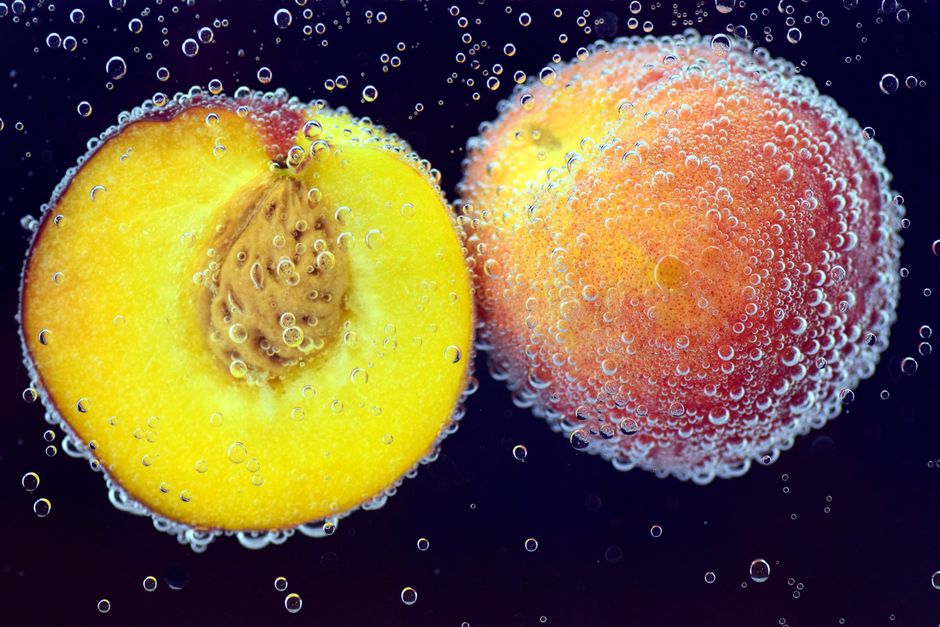
Growing a peach tree from a seed is not complicated, but it does require patience and the right timing. The key step that most guides skip is that peach seeds need a cold period called stratification to wake up and sprout. Without this cold treatment, your seed will likely do nothing. Here is the honest, research-backed process for turning a peach pit into a tree that actually grows.
Do Peach Seeds Need Special Treatment to Sprout?
Yes, they absolutely do. A peach seed straight from the fruit will not grow if you just plant it in a pot indoors. This is because peach trees are native to temperate climates where seeds naturally fall in autumn, sit through winter cold, and sprout in spring. The seed needs to experience cold temperatures for a specific amount of time to break its natural dormancy.
Research from agricultural extension programs, including work published by the University of California, shows that peach seeds require about 8 to 12 weeks of cold temperatures between 33°F and 45°F. This is not a suggestion. It is a biological requirement. Without it, the seed remains dormant and will eventually rot in the soil.
The process is called cold stratification. You can achieve this by placing the seed in damp sand or a paper towel inside a sealed plastic bag and putting it in your refrigerator. Do not use the freezer. Freezing kills the seed.
How To Grow Peaches From Seeds: Step-by-Step Process
Start with a fresh peach pit from a fruit you ate. Clean off all the flesh and let it dry for a day or two. Then crack the hard outer shell carefully with a nutcracker or a pair of pliers. Inside is the actual seed that looks like an almond. Be gentle. Damaging the seed means it will not grow.
Soak the seed in room temperature water for about 4 to 6 hours. This rehydrates it. Then place the seed in a small amount of damp sand or a damp paper towel inside a resealable plastic bag. Squeeze out excess air and seal it. Put the bag in the back of your refrigerator where the temperature stays steady.
Check the bag every two weeks. If you see mold, remove the seed and replace the damp material with fresh clean material. After 8 to 12 weeks, you should see the seed crack open and a small white root emerge. This is your signal to plant it.
Plant the sprouted seed in a pot with well-draining soil. Place the pot in a sunny window or under a grow light. Keep the soil moist but not soggy. Once the seedling has several sets of leaves and the danger of frost has passed, you can move it outdoors.
Does the Type of Peach Matter for Growing Success?
Yes, it matters more than most people realize. The peach you buy at the grocery store might be from a hybrid variety that does not grow true from seed. This means the tree you get could produce fruit that tastes different from the original peach you ate.
According to the USDA Agricultural Research Service, most commercial peaches are grafted onto specific rootstocks. This means the fruit you enjoy comes from a tree that was not grown from seed at all. The seed inside that fruit carries genetics from two different parent trees. You have no way of knowing what the fruit will taste like.
Some people report good results with seeds from farmers markets or local orchards where the fruit came from a tree that was not grafted. This is widely claimed though strong evidence is limited because most home growers do not track results systematically. If you want a predictable peach variety, buy a grafted sapling from a nursery. If you want the experience of growing from seed, expect a surprise.




How Long Until a Peach Tree From Seed Produces Fruit?
This is where patience becomes essential. A peach tree grown from seed takes about 3 to 5 years to produce its first fruit. Some trees take longer. The first fruit may also be smaller or less sweet than what you expect.
The American Horticultural Society notes that seed-grown fruit trees often have a longer juvenile period than grafted trees. A grafted tree from a nursery might fruit in 2 to 3 years because it is already past the earliest growth stage. Your seed-grown tree has to go through the full cycle.
There is also the question of tree size. A seed-grown peach tree tends to grow larger and taller than a grafted tree. This can be good if you have space. It can be a problem if you are planting in a small yard. You cannot control the rootstock when you grow from seed, so the tree will grow to its full natural size.
What Common Mistakes Ruin Peach Seed Germination?
The most common mistake is skipping the cold stratification period entirely. People plant a dry pit directly into a pot and wonder why nothing happens. As of 2026 there is no clinical evidence that any shortcut method like soaking in hot water or using growth hormones replaces the need for cold treatment.
Another frequent error is using a seed from a peach that was refrigerated. Commercial peaches are often stored cold for weeks before they reach the store. This cold storage can trigger the seed to begin its stratification process prematurely. By the time you remove the seed, it may have already started its internal clock in an uncontrolled way. The result is often a weak or failed germination.
Overwatering is also a major problem. Once you plant the sprouted seed, the root needs oxygen. Soggy soil suffocates the root and causes rot. Use a pot with drainage holes and water only when the top inch of soil feels dry.
Here is a quick comparison of what works and what does not:
| Step | What Works | What Does Not Work |
|---|---|---|
| Seed preparation | Crack shell, soak seed | Planting whole pit |
| Cold treatment | 8-12 weeks in fridge at 33-45°F | Freezer or room temperature |
| Planting time | After root emerges in spring | Planting dormant seed in fall |
| Soil moisture | Moist but not wet | Constantly soggy |
| Peach source | Local non-hybrid fruit | Cold-stored grocery peach |
Should You Plant the Seedling Indoors or Directly Outdoors?
Starting the seedling indoors gives you more control over temperature and moisture. This is the safer approach for most home growers. You can monitor the seedling daily and protect it from pests and weather extremes.
Planting directly outdoors is possible if you live in a climate where the seed can go through natural winter cold in the ground. This works best in USDA hardiness zones 6 through 8 where winters are cold but not extreme. You would plant the seed in fall and wait for spring sprouting. The risk is that rodents may dig up the seed or that an unusually warm winter fails to provide enough cold hours.
Some studies suggest that seeds stratified naturally in the ground produce slightly stronger trees because they experience natural temperature fluctuations. Evidence indicates this is true but the difference is small. For most people, the refrigerator method is more reliable.
Frequently Asked Questions
Can I grow a peach tree from a store-bought peach seed?
Yes but the fruit quality is unpredictable because most store peaches come from grafted trees. The seed carries unknown genetics.
Do I need to dry the peach pit before planting?
Drying for a day or two helps prevent mold but do not let it dry out completely. The seed inside needs to stay alive.
How deep should I plant a peach seed?
Plant the seed about one inch deep in soil. Planting too deep prevents the sprout from reaching the surface.
Can I grow a peach tree indoors permanently?
Peach trees need full sun and cold winter dormancy to survive long term. Indoor conditions rarely provide either requirement.
