
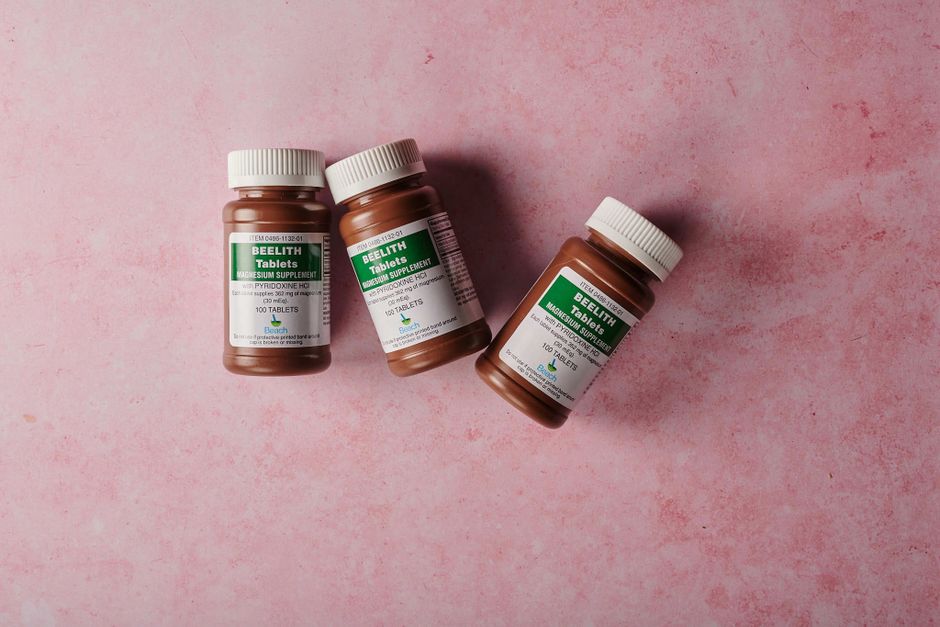
Magnesium is one of the most common minerals people reach for when they feel anxious, and it is also one of the most oversold. If you want a short answer: magnesium glycinate is the form most often chosen for anxiety because it is well absorbed and tends to cause fewer digestive problems than magnesium oxide or citrate. But here is the part marketing pages skip — the evidence that any magnesium supplement treats anxiety in healthy adults is limited, and no form has been proven to work better than another for anxiety specifically.
What follows is what we actually know about how magnesium works in the body, why the type matters, and where the honest limits of the research sit.
Does Magnesium Actually Help With Anxiety?
The short answer is that it may help in some people, but the evidence is not as strong as supplement marketing suggests.
Magnesium is involved in hundreds of enzyme reactions in the body, including regulation of the stress response and the activity of neurotransmitters. Low magnesium status has been associated with symptoms of anxiety in some observational research. That is a correlation, not proof that taking a supplement fixes anxiety.
Clinical trials are mixed. Some small studies have reported reduced anxiety symptoms in people taking magnesium, often alongside other nutrients or in specific groups such as people with premenstrual symptoms or mild anxiety. Other trials have found no meaningful difference compared to placebo. Many of these studies are small, short, and use different forms and doses, which makes them hard to compare.
What we can say with confidence: magnesium is an essential nutrient, and correcting a genuine deficiency matters for overall health. What we cannot say with confidence: that magnesium supplements reliably reduce anxiety in people who are not deficient. If you are looking for a guaranteed anxiety treatment, no magnesium product is that.
What Type of Magnesium for Anxiety Is Most Often Recommended?
Magnesium glycinate is the form most frequently suggested when anxiety is the concern. It binds magnesium to the amino acid glycine, which is generally well tolerated and absorbed. Glycine itself has been studied for sleep and calming effects, though the evidence that it meaningfully reduces anxiety is not established.
The reason glycinate gets recommended is less about anxiety and more about tolerability. It is less likely to cause loose stools than magnesium oxide or citrate, so people can take it more comfortably. That is a real practical advantage, even if it is not proof of superior anxiety benefit.
Magnesium citrate is also commonly used and is well absorbed, but it draws water into the intestines and can act as a laxative. Magnesium oxide is cheap and widely sold but is poorly absorbed, which is why it is more often used for constipation than for anxiety. Magnesium taurate, threonate, and malate are other forms with their own marketing claims, but none has strong clinical evidence showing it works better for anxiety than another form.
Here is the non-obvious point worth knowing: the “best” form for anxiety has never been directly compared to other forms in a well-designed head-to-head trial. The recommendations you see online are based mostly on absorption and tolerability, not on anxiety outcomes.
How Magnesium Affects the Nervous System
Magnesium plays a direct role in how the nervous system calms down. It helps regulate the activity of NMDA receptors, which are involved in excitatory signaling in the brain. It also influences the HPA axis, the system that controls your stress response and releases cortisol.
When magnesium is low, some of these regulatory roles can be impaired. In animal and laboratory research, low magnesium has been linked to increased anxiety-like behavior. This gives a plausible biological reason why magnesium might matter for anxiety.
But biological plausibility is not the same as demonstrated clinical benefit. A mechanism that makes sense in a lab does not automatically translate into a supplement that reduces anxiety in real people. This is one of the most common gaps in supplement marketing, and it is worth keeping in mind whenever you read that something “supports calm” or “balances stress.”




Magnesium Forms Compared
The table below compares common forms on absorption and tolerability. It does not rank them for anxiety, because that comparison has not been established.
| Form | Absorption | Tolerability | Common Use |
|---|---|---|---|
| Magnesium glycinate | Good | Generally well tolerated | Calm, sleep, general supplementation |
| Magnesium citrate | Good | Can cause loose stools | General use, constipation |
| Magnesium oxide | Poor | Can cause digestive upset | Constipation |
| Magnesium taurate | Moderate | Generally well tolerated | Marketed for heart and calm |
| Magnesium threonate | Moderate | Generally well tolerated | Marketed for brain function |
| Magnesium malate | Moderate | Generally well tolerated | Marketed for energy and muscle |
How Much Magnesium Should You Take?
The recommended daily allowance for magnesium in adults is about 310 to 420 mg per day from all sources, depending on age and sex. These figures come from established dietary reference intakes and refer to total intake, not supplement dose alone.
Most people get a meaningful portion of that from food. Leafy greens, nuts, seeds, legumes, and whole grains are good sources. If you are considering a supplement, the tolerable upper limit for magnesium from supplements (not food) is 350 mg per day for adults. Going above that from supplements can cause diarrhea, nausea, and cramping.
There is no established clinical guideline for a specific magnesium dose to treat anxiety. Any dose you see recommended for anxiety online is not backed by an official standard. If you choose to take a supplement, staying within the upper limit and talking to a clinician is the sensible approach. People with kidney disease should not take magnesium supplements without medical guidance, because impaired kidneys can allow magnesium to build up to unsafe levels.
Food Sources vs. Supplements
Food is the safer and generally preferred way to get magnesium. The body regulates absorption from food more effectively, and it is hard to overdose on magnesium from food alone.
Good dietary sources include:
- Pumpkin seeds and other seeds
- Almonds, cashews, and peanuts
- Spinach and other leafy greens
- Black beans, edamame, and lentils
- Whole grains and some fortified cereals
Supplements make sense mainly when dietary intake is low or when a clinician has identified a deficiency. They are not a replacement for addressing the actual drivers of anxiety, which can include sleep, stress, caffeine, and underlying medical or mental health conditions.
What the Evidence Does Not Show
No magnesium supplement has been shown to treat an anxiety disorder. Anxiety disorders are real medical conditions, and the treatments with the strongest evidence are therapy and, in many cases, medication. Magnesium is not a substitute for either.
Claims that a specific magnesium form “targets anxiety” or “calms the brain” are marketing language, not established clinical findings. The research on magnesium and anxiety is early and inconsistent. Some studies suggest a possible benefit; others show none. That is the honest state of the evidence.
If anxiety is affecting your daily life, a clinician can help you sort out what is actually going on. Magnesium might be one small piece, but it is not the answer on its own.
Frequently Asked Questions
What type of magnesium is best for anxiety?
Magnesium glycinate is the form most often recommended because it is well absorbed and less likely to cause digestive upset. No form has been proven in clinical trials to work better than another specifically for anxiety.
How much magnesium should I take for anxiety?
There is no official recommended dose of magnesium for anxiety. The tolerable upper limit for supplemental magnesium in adults is 350 mg per day, and total intake from food and supplements is generally recommended at around 310 to 420 mg daily.
Can magnesium cure anxiety?
No. Magnesium is not a treatment for anxiety disorders, and no evidence shows it cures anxiety. Therapy and medication have the strongest evidence for treating anxiety disorders.
Does magnesium actually calm you down?
Magnesium is involved in regulating the stress response and nerve signaling, which gives a biological reason it might help. However, clinical trials on magnesium supplements for anxiety in healthy adults show mixed results, and the evidence is not strong.
