
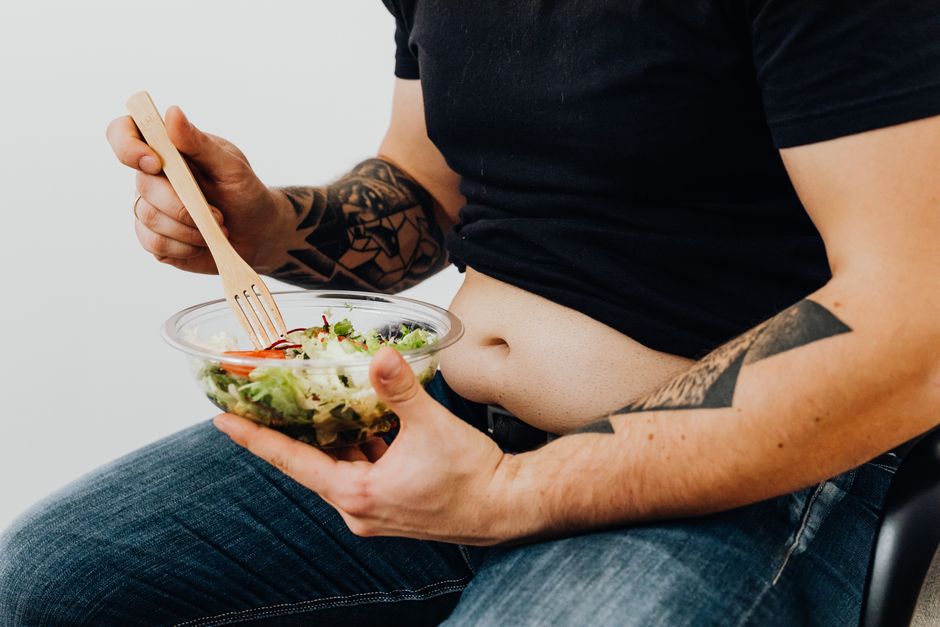
Belly fat is often the most stubborn fat to lose, and there is no single pill or supplement that will melt it away. The honest answer to what to take is that your daily food choices matter far more than any supplement, with a focus on protein, fiber, and whole foods while cutting back on added sugar and refined carbohydrates. No supplement, tea, or “fat burner” has been proven to target belly fat specifically, so the most effective approach is a calorie-controlled diet paired with strength training and regular movement.
What Actually Causes Belly Fat to Accumulate?
Belly fat is not just the pinchable layer just under the skin. That is subcutaneous fat. The deeper, more concerning type is visceral fat, which wraps around your organs inside the abdominal cavity. Visceral fat is metabolically active and is linked to higher risks of heart disease, type 2 diabetes, and insulin resistance.
Calories in excess of what your body burns get stored as fat, and genetics largely determine where that fat lands. For many people, the abdomen is the primary storage site. Hormones also play a role. Cortisol, the stress hormone, can promote abdominal fat storage when levels stay elevated over long periods. Sleep deprivation also raises cortisol and can increase appetite, making it harder to stick to a healthy eating pattern.
What Foods Should You Take to Lose Belly Fat?
No single food burns belly fat. But certain foods help you stay full, manage blood sugar, and create the calorie deficit needed for fat loss. These are the foods worth building your meals around.
- Protein — eggs, chicken, fish, Greek yogurt, and legumes increase fullness and help preserve muscle mass while you lose weight. Muscle burns more calories at rest than fat tissue does.
- Fiber — vegetables, fruits, beans, and whole grains slow digestion and keep you satisfied. Soluble fiber in particular, found in oats, barley, and apples, has been linked in some studies to reduced belly fat.
- Healthy fats — avocados, nuts, seeds, and olive oil provide satiety and support overall health. They are calorie-dense, so portion control still matters.
- Water — drinking water before meals can help you eat fewer calories. Swapping sugary drinks for water is one of the simplest changes you can make.
Foods to reduce or avoid include sugary beverages, refined white bread and pasta, pastries, and highly processed snacks. These foods spike blood sugar, promote fat storage, and do not keep you full for long.
Do Fat Burner Supplements Work?
The supplement industry sells billions of dollars worth of fat burners each year. The evidence does not support their promises. Most fat burner supplements contain a mix of caffeine, green tea extract, and various herbs. Caffeine can slightly increase metabolism and fat oxidation, but the effect is small and often fades as your body builds tolerance.
No supplement has been shown in clinical trials to specifically target belly fat. Weight loss from these products, when it happens at all, is usually modest and tied to appetite suppression from the caffeine content. Some supplements carry real risks. Products containing high doses of stimulants can raise heart rate and blood pressure. The FDA does not approve supplements for safety or effectiveness before they reach the market, so quality and ingredient accuracy vary widely between brands.
Your money is better spent on whole foods and a structured exercise routine than on any pill marketed for fat loss.





What About Green Tea and Other Teas?
Green tea is frequently promoted for fat loss. It contains catechins, which are antioxidants, and caffeine. Some research suggests green tea extract may slightly increase calorie expenditure, but the effect is small and inconsistent across studies.
Drinking green tea is a perfectly healthy habit. It is a good alternative to sugary drinks and provides hydration. But expecting it to visibly reduce belly fat on its own will lead to disappointment. The same applies to detox teas, which are often laxatives in disguise. They cause water loss and bowel movements, not fat loss. Any drop on the scale is temporary and not actual fat reduction.
Does Protein Powder Help With Belly Fat?
Protein powder can be a useful tool, but it is not a fat burner. It is a convenient way to increase your daily protein intake, which supports muscle preservation during weight loss. Keeping your muscle mass while in a calorie deficit helps maintain your metabolic rate.
Whey protein, casein, and plant-based options like pea protein all work similarly for this purpose. A protein shake can serve as a meal replacement or a post-workout snack. The key is that the shake fits within your daily calorie budget. Adding a protein shake on top of your normal meals will not reduce belly fat. It will add calories and potentially cause weight gain.
How Important Is Exercise for Losing Belly Fat?
You cannot out-exercise a poor diet, but exercise is essential for reducing belly fat and keeping it off. Spot reduction, the idea that you can lose fat specifically from your abdomen by doing crunches, is a myth. Fat loss happens across the whole body, and where you lose it first is largely determined by genetics.
What exercise does do is create a larger calorie deficit and improve insulin sensitivity. Both are important for fat loss. A combination of cardio and strength training appears to be the most effective approach. Strength training builds muscle, which raises your resting metabolic rate. Cardio burns calories directly and has been shown in studies to reduce visceral fat.
High-intensity interval training, or HIIT, alternates short bursts of intense effort with recovery periods. Some research suggests HIIT can reduce belly fat more efficiently than steady-state cardio in the same amount of time, though both are effective.
How Long Does It Take to See Results?
Fat loss is slow and steady. A safe and sustainable rate of weight loss is about 1 to 2 pounds per week. Whether that weight comes from your belly depends on your genetics, but most people begin to notice changes in their midsection within 4 to 8 weeks of consistent diet and exercise changes.
Visceral fat responds well to lifestyle changes. Because it is metabolically active, it is often mobilized earlier than subcutaneous fat. That is good news. The bad news is that it can also accumulate quickly if you return to old habits. Consistency matters more than perfection. One high-calorie meal will not undo a week of good choices, and one workout will not erase years of sedentary living.
Track progress with measurements and how your clothes fit rather than relying only on the scale. The scale cannot distinguish between fat loss, muscle gain, and water retention.
Is There a Medical Treatment for Belly Fat?
For people with obesity, defined as a body mass index of 30 or higher, prescription weight loss medications are available. These medications work by suppressing appetite or reducing nutrient absorption. They are intended for use alongside diet and exercise, not as a replacement for them.
These are prescription drugs, not supplements. They require a doctor’s evaluation and ongoing monitoring. They are not appropriate for everyone, and they come with potential side effects. They are not a quick fix. Weight regain is common when the medication is stopped without lasting lifestyle changes.
Surgical options like gastric bypass exist for severe obesity. These procedures produce significant weight loss and often dramatic reductions in visceral fat. They are major surgeries with real risks and require lifelong dietary adjustments.
Frequently Asked Questions
Can I lose belly fat without exercise?
Yes, you can lose weight through diet alone, but exercise helps you lose visceral fat more effectively and keeps the weight off longer. A calorie deficit from eating less is the foundation, and adding movement accelerates the process.
Does drinking apple cider vinegar reduce belly fat?
Some small studies suggest apple cider vinegar may slightly improve blood sugar control and appetite, but no reliable evidence shows it reduces belly fat specifically. It is not a substitute for diet and exercise.
How much protein should I eat to lose belly fat?
A common guideline is 0.7 to 1 gram of protein per pound of body weight when trying to lose fat while preserving muscle. This is a general range from sports nutrition guidelines, and your specific needs may vary.
Are detox teas effective for belly fat?
Detox teas cause water loss and bowel movements, not fat loss, and any weight lost returns quickly. They are not an effective or safe approach to reducing belly fat.
