
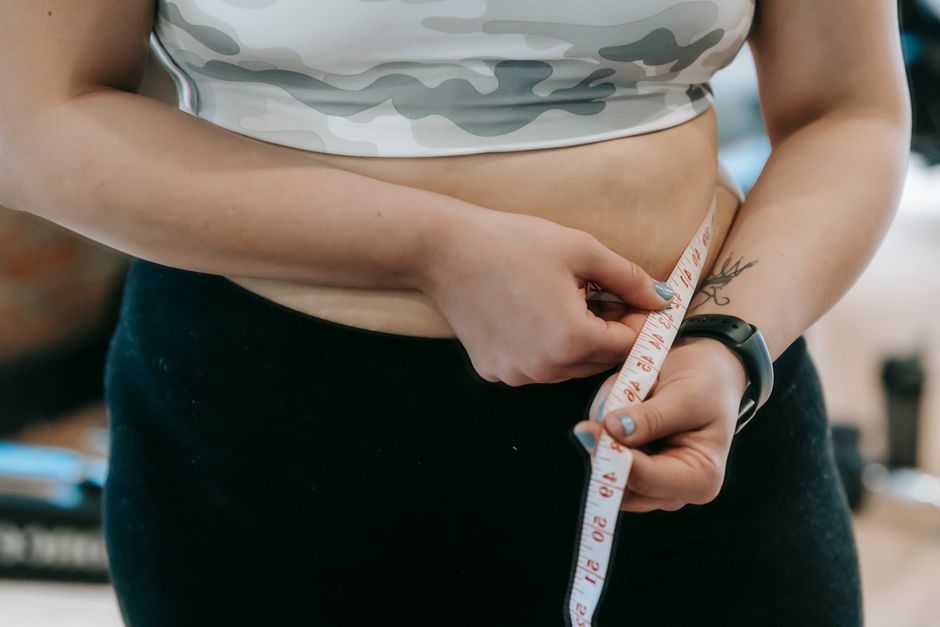
You cannot target belly fat with specific exercises. Spot reduction is a myth. To lose belly fat you must lower your overall body fat through a calorie deficit and consistent full-body movement. The best exercises for burning belly fat fast are those that burn the most calories and build muscle mass — things like high-intensity interval training (HIIT), heavy compound weightlifting, and sustained cardio. But no exercise alone will erase belly fat quickly. It takes a combined approach of diet, sleep, stress management, and the right kind of exercise done consistently.
Does Spot Reduction for Belly Fat Actually Work?
The short answer is no. Research has debunked spot reduction many times. A well-known 2013 study published in the Journal of Strength and Conditioning Research had participants do six weeks of abdominal exercises. They found no significant reduction in belly fat compared to a control group. The ab exercises strengthened the muscles underneath but did not burn the fat on top.
Your body decides where it stores fat and where it burns fat. Genetics play a large role. For most people belly fat is the last place to go. Doing hundreds of crunches or sit-ups will strengthen your core but it will not specifically remove fat from your waistline. If you want to see your abs you need to lower your overall body fat percentage first.
This is frustrating but it is also freeing. It means you do not need to spend hours on ab exercises. You can focus your energy on exercises that actually move the needle on fat loss.
What Exercises Burn Belly Fat Fast According to Research
Exercises that burn the most total calories and increase your metabolic rate after exercise are the most effective for fat loss. High-intensity interval training (HIIT) consistently shows strong results. A 2018 meta-analysis in the journal Sports Medicine found that HIIT reduced total abdominal fat more effectively than moderate-intensity continuous training. The key was the intensity — short bursts of all-out effort followed by rest.
Compound weightlifting also deserves attention. Exercises like squats, deadlifts, and pull-ups recruit multiple large muscle groups at once. This burns more calories per minute than isolation exercises. It also builds muscle. More muscle means a higher resting metabolic rate. That helps you burn fat even when you are sitting still.
Steady-state cardio like brisk walking or jogging has a place too. The CDC recommends at least 150 minutes of moderate-intensity aerobic activity per week for adults. Walking after meals specifically may help reduce post-meal blood sugar spikes, which some evidence links to lower visceral fat storage over time.
| Exercise Type | Calories Burned (30 min, 155-lb person) | Key Benefit for Belly Fat |
|---|---|---|
| HIIT (sprints, burpees, jump squats) | 250–400 | High afterburn effect (EPOC) |
| Heavy compound lifting (squats, deadlifts, presses) | 200–300 | Builds muscle, raises resting metabolism |
| Running (6 mph) | 350–400 | High calorie burn per minute |
| Brisk walking (3.5 mph) | 140–180 | Sustainable daily habit, reduces blood sugar |
| Cycling (moderate effort) | 250–300 | Low joint impact, easy to sustain |
No single exercise is magic. The best approach combines HIIT two to three times per week with two strength training sessions and daily walking. This mix keeps your body guessing and your metabolism working.
How Often Should You Exercise to Lose Belly Fat?
Consistency matters more than intensity. The Physical Activity Guidelines for Americans recommend 150 to 300 minutes of moderate-intensity exercise per week. For belly fat loss specifically, the higher end of that range tends to work better. Some studies show that 250 minutes per week or more produces significant reductions in waist circumference.
But more is not always better. Overtraining raises cortisol levels. Cortisol is a stress hormone that encourages fat storage in the belly area. If you exercise too hard without recovery you may actually hold onto belly fat. This is a real problem that many people overlook.
A sustainable schedule looks like this: three days of strength training or HIIT, two days of moderate cardio, and two rest or active recovery days. On rest days light walking or stretching is fine. Your body needs time to repair muscle and lower cortisol.
Listen to your body. If you feel constantly exhausted, irritable, or unable to recover between sessions you are likely doing too much. Scale back and focus on sleep and nutrition instead.




What About Diet and Lifestyle for Belly Fat Loss?
Exercise alone rarely produces fast belly fat loss. Diet is the dominant factor. You cannot outrun a poor diet. To lose one pound of fat per week you need a calorie deficit of about 500 calories per day. That means eating less or moving more — ideally both.
Protein is especially important. Research shows that higher protein intake helps preserve muscle during weight loss and increases satiety. Aim for 20 to 30 grams of protein per meal. Good sources include lean meats, eggs, dairy, legumes, and tofu.
Sugar and refined carbohydrates are the biggest culprits for belly fat. The American Heart Association recommends limiting added sugar to no more than 36 grams per day for men and 25 grams for women. Most Americans consume two to three times that amount. Cutting back on sugary drinks alone can produce noticeable changes in waist size over a few months.
Sleep is another critical factor. The CDC reports that adults who sleep fewer than seven hours per night are more likely to have higher body fat levels. Poor sleep increases ghrelin (the hunger hormone) and decreases leptin (the hormone that signals fullness). It also raises cortisol. If you are not sleeping well your belly fat loss efforts will be significantly hindered.
What Are Common Misconceptions About Belly Fat Exercises?
The most persistent myth is that ab exercises alone will burn belly fat. This is false. As discussed earlier, spot reduction does not work. If you only do crunches you will strengthen your abs but the fat layer on top will remain.
Another misconception is that you need to exercise every day for hours. This is not true and can backfire. Overtraining raises cortisol and increases the risk of injury. Rest days are productive days for fat loss. Your body burns fat during recovery, not just during the workout itself.
Some people believe that sweating more means burning more fat. Sweat is just your body cooling itself. It has no direct relationship to fat loss. Wearing a sweat suit or exercising in a hot room does not help you lose belly fat. It only leads to water loss, which is temporary.
Finally, many people think that slow steady cardio is the best way to lose belly fat. While it is effective for calorie burning, HIIT and strength training produce better results for visceral fat specifically. A 2015 study in the Journal of Obesity found that HIIT reduced visceral fat more effectively than steady-state cardio in overweight adults. The combination approach works best.
What to Avoid When Trying to Lose Belly Fat
Avoid crash diets. Severely restricting calories causes muscle loss and a drop in metabolic rate. When you resume normal eating the weight often comes back as fat. This is called yo-yo dieting and it is linked to increased belly fat storage over time.
Avoid overemphasizing ab exercises. Spending 30 minutes on crunches is less effective than spending 30 minutes on full-body strength training or HIIT. Your time is better spent on exercises that burn more total calories.
Avoid alcohol in excess. Alcohol provides empty calories and your body prioritizes burning alcohol over burning fat. A 2015 study in the European Journal of Nutrition found that heavy drinking was associated with larger waist circumference. Moderate drinking (one drink per day for women, two for men) may not cause problems but many people underestimate how much they drink.
Avoid relying on supplements. As of 2026 there is no clinical evidence that any fat burner, thermogenic, or belly fat supplement produces meaningful, lasting results. Most are overhyped and unregulated. Your money is better spent on whole foods and quality sleep.
What Is a Realistic Timeline for Seeing Belly Fat Loss?
This depends on your starting point, your calorie deficit, and your consistency. For most people visible changes in belly fat take 4 to 8 weeks of consistent effort. This is not fast. Anyone promising rapid belly fat loss in a week or two is selling something that does not exist.
A safe and sustainable rate of fat loss is 1 to 2 pounds per week. At this rate you can expect to lose about 1 inch from your waist every 4 to 6 weeks. This varies by individual. Men tend to lose belly fat faster than women due to hormonal differences. Women naturally carry more body fat and lose it more slowly, especially around the midsection.
Non-scale victories matter too. Your clothes may fit better before the scale moves. Your energy levels may improve. Your blood pressure and blood sugar may improve even without dramatic weight loss. These are real signs of progress.
If you have been exercising and eating well for 8 weeks with no change in waist size consider adjusting your calorie deficit. You may be eating more than you think. Use a food diary or app for a week to check. If your deficit is accurate and you are still not losing weight consult a doctor to rule out underlying issues like thyroid problems or insulin resistance.
Frequently Asked Questions
What is the single best exercise for belly fat?
There is no single best exercise. HIIT combined with compound strength training is the most effective approach for overall fat loss including belly fat.
How many minutes should I exercise to lose belly fat?
Aim for at least 250 minutes of moderate-intensity exercise per week. This can be broken into 40 to 50 minutes most days.
Can I lose belly fat without changing my diet?
No. Diet is the most important factor for fat loss. Exercise alone rarely produces significant belly fat loss without a calorie deficit.
How long does it take to see results from belly fat exercises?
Most people see visible changes in 4 to 8 weeks with consistent exercise and a calorie deficit. Individual results vary based on genetics and starting body fat.
