
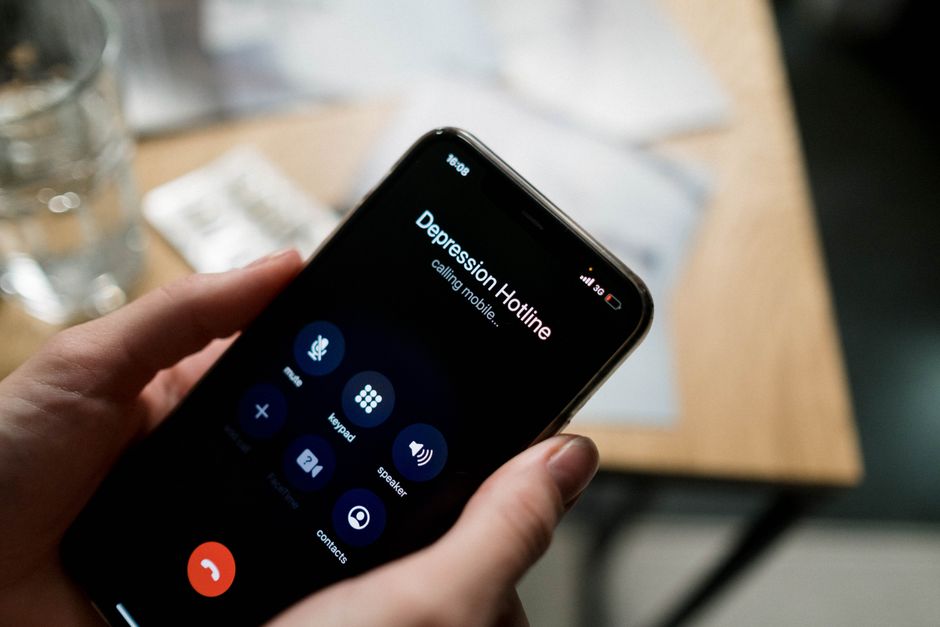
Calling out of work for a mental health day means telling your manager or supervisor you need to miss a scheduled shift because of your mental health. You do not owe anyone a diagnosis or a detailed story. A short, clear message that states you are unwell, gives a general timeframe, and explains how you will communicate about your return is enough. Something like: “I won’t be able to work today. I’m dealing with a health issue and need to take a sick day. I’ll check in this evening about tomorrow.”
That is the whole script. The rest of this article covers why it works, what to say in different situations, and how to protect your privacy while still being honest.
What To Say When Calling Out For Mental Health Scripts?
The most effective scripts share three things: they are brief, they name a need without oversharing, and they close the loop on next steps. Here are templates you can adapt.
By phone or voicemail: “Hi, this is [name]. I’m not able to come in today due to a health issue. I expect to be back [tomorrow/on Monday]. I’ll follow up if anything changes.”
By text or messaging app: “I need to take a sick day today. I’m not feeling well and won’t be able to work. I’ll update you this afternoon.”
By email: “I’m writing to let you know I need to use a sick day today. I’m dealing with a health matter and am not able to work. I’ll be in touch about my return.”
Notice what these scripts do not include: a diagnosis, an apology for existing, or a promise to make up the work immediately. None of that is required. In most workplaces, mental health conditions fall under the same sick leave policies as physical ones. You are using a benefit you have earned.
If your manager asks why, you can say: “I’d rather not get into details. It’s a health issue and I need the day.” That is a complete answer.
Is a Mental Health Day a Real Sick Day?
Yes. In many workplaces and under many employment policies, mental health conditions are treated as health conditions. Anxiety, depression, and other mental health diagnoses are legitimate medical concerns, not character flaws or signs of weakness.
Some employers now explicitly list mental health in their sick leave or personal leave policies. Others do not use that language but still cover it under general health provisions. The specifics depend on your employer, your state, and whether you are covered by a union contract or employment agreement.
What is clear: you do not have to frame a mental health day as something different from a sick day. It is a sick day.
One clarification worth making. A single mental health day is not the same as treatment for an ongoing condition. If you are struggling regularly, a day off may help you rest, but it will not address the underlying issue. That is a separate conversation, and often a medical one.
Do You Have To Tell Your Boss Why You’re Calling Out?
In most cases, no. You are generally not required to disclose a specific diagnosis to your employer. You may need to say you are using sick leave, and your employer may have a process for documenting that. But the details of your health are private.
There are exceptions. If you are requesting accommodations under the Americans with Disabilities Act, you may need to provide documentation from a healthcare provider. That documentation typically describes your limitations and needed accommodations, not your full medical history. The Job Accommodation Network, a service of the U.S. Department of Labor, provides guidance on how this process works.
If you are applying for leave under the Family and Medical Leave Act, your employer may require certification from a healthcare provider. Again, this is about verifying the need for leave, not sharing every detail of your condition.
For a single day off, the bar is usually much lower. A simple statement that you are unwell is generally sufficient.





What If You Feel Guilty or Worried About Judgement?
Guilt about taking a mental health day is common. It often comes from the belief that mental health is less valid than physical health. That belief is not supported by how medicine works.
Mental health conditions affect sleep, concentration, energy, and physical health. They can impair your ability to do your job safely, especially in roles that involve driving, operating machinery, or making high-stakes decisions. Taking time to recover is not indulgent. It is practical.
There is also a practical reality: pushing through when you are not well often makes things worse. A day of rest may prevent a longer absence later. That is not a guarantee, but it is a pattern many clinicians observe.
If you are worried about how your manager will react, you are not imagining it. Some workplaces handle these conversations poorly. That is a problem with the workplace, not with you. You are still entitled to use your leave.
If you are in a workplace where disclosing mental health concerns feels genuinely unsafe, you are not required to disclose. You can simply say you are unwell. That is not dishonesty. It is privacy.
When Should You Say More Than the Script?
There are times when a longer conversation makes sense. If you need ongoing accommodations, a reduced schedule, or extended leave, you will likely need to talk with your manager or human resources. You may also need documentation from a healthcare provider.
In those cases, you do not have to share everything. You can say: “I’m dealing with a health condition that’s affecting my work. I’d like to talk about what adjustments might help.” That opens the door without requiring you to disclose more than you are comfortable with.
If you are not sure what to ask for, a healthcare provider can often help you identify reasonable accommodations. Some clinicians are familiar with workplace accommodation processes. Others are not. If yours is not, the Job Accommodation Network offers free guidance.
For a single day, none of this is necessary. Keep it simple.
What Should You Not Say?
You do not need to apologize excessively. “I’m so sorry, I know this is inconvenient, I feel terrible about this” puts you in a defensive position. One brief acknowledgment is fine. A paragraph of apology is not required.
You also do not need to promise to check email or take calls. A sick day means you are not working. If you are well enough to answer messages, you may not need the day.
Avoid over-explaining. The more detail you give, the more room there is for questions, opinions, or unsolicited advice. A short message leaves less room for that.
And avoid saying “I just need a mental health day” if you are not comfortable with that phrasing. “I need to take a sick day” is equally valid and more private.
What If You Need More Than One Day?
If you need more than a single day, the conversation changes slightly. You may need to discuss how long you expect to be out and how your work will be covered. You do not need to share your diagnosis, but you may need to provide documentation if your employer requires it.
If you are not sure how much time you need, say so. “I’m not sure yet how long I’ll need. I’ll keep you updated” is a reasonable answer. It is honest and gives your manager information they need without forcing you to commit to a timeline you cannot predict.
If you are struggling with your mental health in a way that is affecting your ability to work over time, that is worth discussing with a healthcare provider. A single day off is a short-term solution. Ongoing support may be more helpful.
Frequently Asked Questions
Do I have to tell my boss I’m taking a mental health day?
No, you generally do not have to disclose a specific reason. You can simply say you are unwell and need to use a sick day.
Can I be fired for calling out for mental health?
In most cases, no, if you are using sick leave you are entitled to under your employer’s policy or the law. However, employment protections vary by state and situation, so if you have concerns, it may help to review your employee handbook or speak with an employment attorney.
What if my workplace doesn’t have sick days?
If your employer does not offer paid sick leave, you may still be protected under unpaid leave laws or the Family and Medical Leave Act if you qualify. Eligibility depends on your employer’s size, your tenure, and other factors.
Is it okay to say I’m sick if it’s mental health?
Yes. Mental health conditions are health conditions. Saying you are sick is accurate.
