
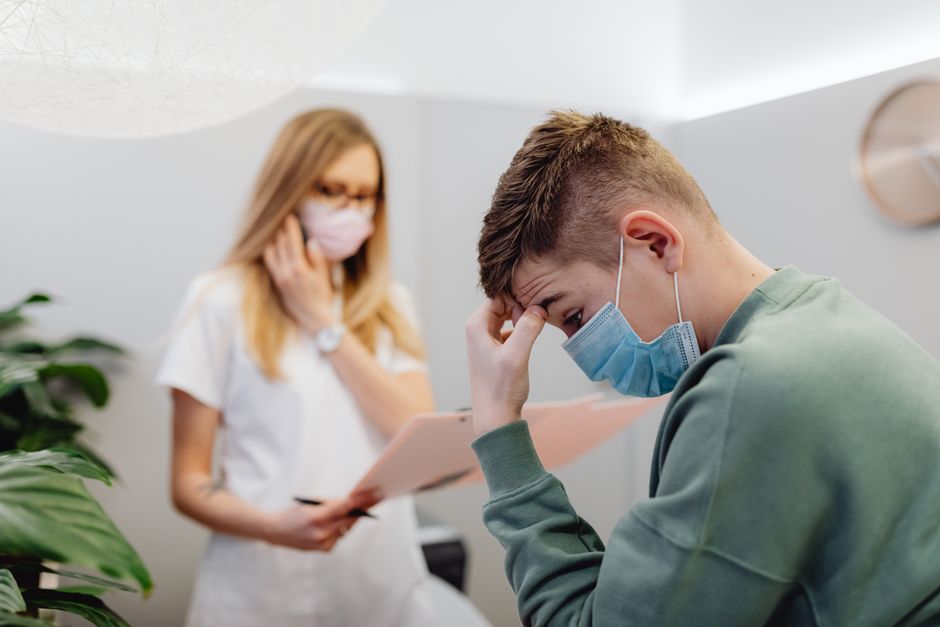
The COVID-19 pandemic did not just change how we work and socialize. It changed how millions of people feel inside. From the early surge in 2020 to today, rates of anxiety and depression have spiked, shifted, and in some ways never fully returned to pre-pandemic levels. Research from the World Health Organization shows a 25 percent increase in anxiety and depression worldwide in the first year alone. But the story did not end when lockdowns lifted. The effects have lingered, evolved, and created new challenges that are still being understood today.
What happened to mental health during the COVID surge?
The early months of 2020 were unlike anything most living people had experienced. The CDC reported that in June 2020, 40 percent of U.S. adults were struggling with mental health or substance use. That is nearly double the rate from 2019. Young adults, essential workers, and people of color were hit hardest.
Fear of the virus itself was only part of it. Isolation from social connections, loss of routine, and the sudden blurring of work and home life created a perfect storm. Many people lost loved ones without being able to say goodbye. Others lost jobs, housing, or a sense of safety. A study published in JAMA Network Open found that symptoms of depression tripled in the U.S. during the first year of the pandemic compared to before.
Emergency room visits for mental health crises rose sharply. The CDC noted that suspected suicide attempts among adolescent girls increased by 51 percent in early 2021 compared to the same period in 2019. These numbers are not just statistics. They represent real pain that families and communities are still processing.
How did mental health change after the initial surge?
As vaccines became available and restrictions eased in 2021 and 2022, some people felt relief. Social gatherings returned. Schools reopened. Workplaces found new rhythms. But the mental health recovery did not follow a straight line.
Some studies suggest that while acute distress decreased, chronic conditions like generalized anxiety disorder and major depression became more persistent. A report from the Kaiser Family Foundation found that about 30 percent of adults reported symptoms of anxiety or depressive disorder as of early 2023. That is lower than the peak but still well above the 11 percent rate from 2019.
One reason for this lingering effect is that the pandemic disrupted developmental milestones. Children and teenagers missed critical social learning. Young adults entering the workforce faced a remote hiring process. Older adults who lost spouses or friends faced prolonged grief without traditional support systems. These disruptions do not heal quickly.
Another factor is that many people developed new coping habits during lockdowns. Some were healthy, like home cooking and outdoor exercise. Others were not. Alcohol sales in the U.S. jumped 14 percent in 2020 and remained elevated through 2022. The National Institute on Alcohol Abuse and Alcoholism reported that alcohol-related deaths increased by 25 percent in 2020 alone.
What does research show about how Covid affected mental health from surge to now?
Research on this topic is still emerging, but several clear patterns have been identified. A large meta-analysis published in The Lancet in 2021 examined data from 48 studies across the world. It found that the prevalence of depression and anxiety during the pandemic was about double the pre-pandemic rates. Women and younger people were consistently more affected.
Long COVID has added another layer. The CDC estimates that one in five adults who had COVID later develop symptoms of long COVID, which can include brain fog, fatigue, and mood changes. Research published in Nature in 2023 found that people with long COVID had higher rates of new-onset anxiety and depression compared to those who recovered fully.
Some studies suggest that the pandemic changed how people think about risk and uncertainty. A study from the University of Chicago found that people who went through lockdowns showed increased sensitivity to potential threats, even years later. This may explain why some people still feel uneasy in crowded spaces or anxious about routine illnesses.
But there is also evidence of resilience. Many people developed stronger social bonds within their households. Others found new meaning in simpler activities. The mental health field itself adapted rapidly, with telehealth visits for mental health care increasing by more than 3000 percent in the early months of the pandemic, according to the CDC. That shift has made therapy more accessible for many people today.





What are the lasting effects on different age groups?
Children and teenagers experienced some of the most profound effects. School closures removed not just education but also structure, peer interaction, and adult supervision. A study in JAMA Pediatrics found that depression and anxiety symptoms in children and adolescents doubled during the pandemic compared to before. The effects were particularly strong for girls and for children from low-income families.
Young adults aged 18 to 29 also faced unique challenges. Many graduated into a weak job market. They missed milestone events like proms, graduations, and first jobs in person. A survey by the American Psychological Association in 2023 found that 48 percent of young adults said their mental health was worse than before the pandemic. That is a higher percentage than any other age group.
Adults aged 30 to 59 dealt with the double burden of working from home while managing children’s remote learning. Parents reported higher stress levels than non-parents. A study from the RAND Corporation found that mothers were more likely than fathers to reduce work hours to handle childcare, which added financial and career stress.
Older adults faced extreme isolation but showed surprising resilience in some ways. A study in the Journal of the American Geriatrics Society found that adults over 65 reported lower rates of anxiety and depression during the pandemic than younger groups. Many had lived through other crises and had developed coping strategies. However, loneliness remained a serious problem for those in nursing homes or living alone.
The table below summarizes the key mental health effects by age group:
| Age Group | Primary Mental Health Effect | Key Statistic |
|---|---|---|
| Children (0-12) | Anxiety, developmental delays | Depression symptoms doubled (JAMA Pediatrics) |
| Teens (13-17) | Depression, suicidal ideation | ER visits for suicide attempts up 51% in girls (CDC) |
| Young adults (18-29) | Anxiety, job-related stress | 48% report worse mental health (APA) |
| Adults (30-59) | Burnout, parenting stress | 30% had anxiety or depression symptoms (KFF) |
| Older adults (60+) | Loneliness, grief | Lower anxiety rates than younger groups (JAGS) |
What can you do if you are still struggling?
If you find that your mental health has not returned to how it was before 2020, you are not alone. Many people are in the same position. The first step is to recognize that these feelings are a normal response to an abnormal event. The pandemic was a collective trauma, and recovery from trauma takes time.
Talking to a professional can help. Therapists and counselors have become much more experienced with pandemic-related issues. Telehealth options make it easier to find someone who fits your schedule and budget. The Substance Abuse and Mental Health Services Administration (SAMHSA) runs a helpline at 1-800-662-4357 that is free and confidential.
There are also practical steps you can take on your own:
- Rebuild routines that provide structure. Regular sleep, meals, and exercise help regulate mood.
- Limit news and social media if they increase anxiety. Studies have found that heavy pandemic news consumption was linked to worse mental health outcomes.
- Reconnect with people in person when possible. Video calls helped during lockdowns, but face-to-face interaction has unique benefits for reducing stress.
- Be patient with yourself. Some days will be harder than others. That is normal and not a sign of failure.
For parents, focusing on your child’s emotional safety matters as much as their academic catch-up. The American Academy of Pediatrics recommends open conversations about feelings and limiting screen time to create space for other activities. Children often take cues from how adults around them handle stress.
Common misconceptions about pandemic mental health
One common myth is that everyone who struggled during the pandemic now feels fine. That is not true. The data clearly shows that many people continue to experience symptoms years later. Recovery is not automatic. It often requires intentional effort and support.
Another misconception is that the mental health effects were the same for everyone. They were not. People with pre-existing mental health conditions, those who lost loved ones, and frontline healthcare workers were disproportionately affected. A study in the journal Brain, Behavior, and Immunity found that healthcare workers had a 50 percent higher risk of depression during the pandemic than the general population.
Some people believe that the increase in mental health problems was purely caused by lockdowns. While isolation was a factor, the virus itself may also play a role. Research has found that COVID-19 can affect the brain directly. Inflammation caused by the virus may contribute to mood changes. This is widely claimed though strong evidence is limited, and more research is needed to understand the connection fully.
Finally, there is a misconception that seeking help means you are weak. The opposite is true. Recognizing that you need support and taking action to get it is a sign of strength. The pandemic showed that mental health is just as important as physical health. Both deserve care and attention.
Frequently Asked Questions
How long do pandemic mental health effects last?
For some people, symptoms resolved within months. For others, effects have lasted three years or more. Duration depends on individual circumstances and access to support.
Did COVID itself cause mental health problems?
Research suggests the virus can affect the brain through inflammation. Long COVID is linked to higher rates of new anxiety and depression.
Are children still affected by pandemic mental health issues?
Yes. Many children continue to show higher rates of anxiety and social difficulties. Schools and families are still working to address these needs.
What is the best treatment for pandemic-related anxiety?
Cognitive behavioral therapy has strong evidence for treating anxiety. Telehealth options make it more accessible than before the pandemic.
