
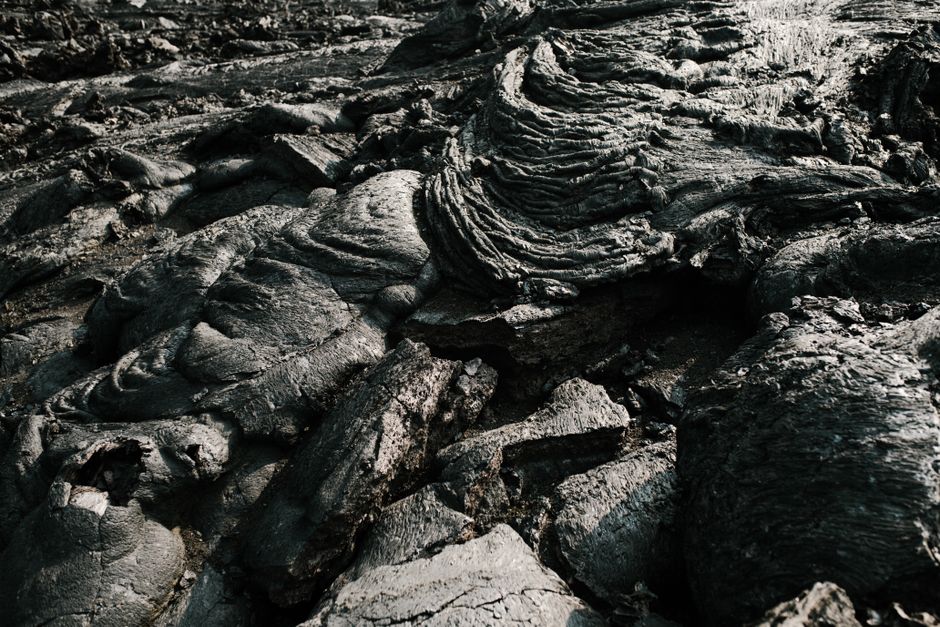
Stopping lava is not like stopping a flood or a fire. You cannot build a wall and expect it to hold forever. Lava is molten rock at temperatures between 1,300 and 2,200 degrees Fahrenheit. It will melt, burn, or overwhelm almost anything in its path. The real question is not whether you can stop lava, but whether you can slow it down, divert it, or protect specific structures long enough for the eruption to end.
There are three main tactics used in Iceland, Hawaii, and Italy: building earthen barriers to divert the flow, spraying seawater to cool and harden the lava’s leading edge, and using explosives to break channels or create new pathways. None of these methods stop lava completely. They buy time. They protect roads, homes, and power plants. Understanding what works, what fails, and what is pure myth can help you separate real volcanic defense from Hollywood fantasy.
Can Walls Actually Stop Lava?
Walls can slow lava, but they rarely stop it. The most successful walls are massive earthen berms built from soil, rock, and gravel. These are not concrete barriers. Concrete cracks and melts under lava’s extreme heat. Earthen walls work because they are thick, wide, and made of material that does not conduct heat well.
In 1973, the town of Vestmannaeyjar in Iceland faced a lava flow that threatened to bury the harbor. Workers sprayed seawater on the advancing lava front to harden it, then built barriers of scoria and basalt to guide the flow away from the harbor entrance. The combination worked. The harbor was saved. This remains one of the most famous successful lava diversion efforts in history.
Walls are most effective when built perpendicular to the flow direction. They do not stop the lava. They redirect it. The lava piles up against the wall, cools, and eventually spills around the ends. Engineers must extend the walls as the flow advances. This is a continuous process, not a one-time fix.
Wall height matters less than wall thickness. A tall thin wall will fail quickly. A wide, gently sloped berm spreads the lava’s weight and slows its progress. The lava cools as it spreads, which increases its viscosity. Thicker lava moves slower. This is the core principle behind all lava barriers.
Does Spraying Water on Lava Work?
Water does not stop lava, but it can slow it down. When seawater hits molten lava, it rapidly boils and turns to steam. This steam extracts heat from the lava’s surface, forming a solid crust. That crust acts like insulation. It slows the flow from the inside because the molten interior must break through the hardened shell to advance.
This technique was used extensively in Iceland in 1973. Crews pumped seawater at a rate of about 100 liters per second onto the lava front. The cooling effect hardened the lava and slowed its advance into the harbor. It was a desperate measure that worked, but it came with a serious risk.
When lava meets water, it can generate dangerous explosions. The water flashes to steam almost instantly, expanding by a factor of 1,500. This can hurl molten rock fragments into the air. In Iceland, workers wore protective gear and maintained safe distances. The explosions were manageable because the seawater was applied in a controlled, continuous spray rather than in large sudden quantities.
Freshwater works too, but seawater is more effective in coastal areas because it is abundant. The cooling effect is real but limited. Water only affects the lava’s surface. It does not stop the molten rock moving beneath the crust. The lava continues to flow, just at a slower pace.
Can Bombs or Explosives Stop Lava?
Explosives are the most misunderstood tool in lava defense. Bombs do not stop lava. They cannot destroy a lava flow. What explosives can do is break apart a cooled lava channel or create a new path for the lava to follow.
In 1935, the U.S. Army Air Corps bombed a lava tube on Mauna Loa in Hawaii. The goal was to collapse the tube and force the lava to spread out and slow down. The bombing was partially successful. The lava flow did slow, but it is unclear whether the bombs caused this or whether the eruption was naturally winding down. The results were inconclusive.
In 1942, the military tried again during another Mauna Loa eruption. This time, the bombing was widely reported as a success, but later analysis suggested the lava had already stopped advancing before the bombs were dropped. The evidence for explosives as a reliable lava defense is weak.
Explosives are occasionally used to break through the cooled crust of a lava channel. This allows the molten lava to escape sideways, spreading over a wider area. Wider flows move slower because they lose heat more quickly. This technique has been tried in Italy and Iceland with mixed results.
The honest assessment is that explosives are unpredictable. They can work in specific situations, but they can also make things worse by opening new channels that threaten previously safe areas. No military or volcanic agency currently recommends bombing as a primary defense strategy.



Why Lava Walls Fail and What Works Instead
Lava walls fail for several reasons. The most common is that the lava simply flows over the top. This happens when the wall is too low or when the lava accumulates faster than it can cool. Another common failure is flank erosion. Lava pushes against the base of the wall, and if the wall is not wide enough, it collapses sideways.
The most successful defenses combine multiple methods. In Iceland, workers used water cooling to harden the lava front, then built barriers to guide the hardened lava into a safe direction. They also used bulldozers to construct new barriers as the flow changed course. This adaptive approach is essential because lava flows are unpredictable.
There is also a newer method gaining attention: using high-pressure water jets to cut trenches into the lava flow. This technique was tested in Italy and involves directing a powerful stream of water at the lava to create a channel that guides the flow away from vulnerable areas. Results are promising but limited to small-scale applications.
Another emerging approach is the use of heat-resistant concrete blocks. These blocks are designed to withstand lava temperatures for short periods. They are placed at the base of earthen walls to provide additional protection. This method is expensive and has not been tested on a large scale.
What Actually Happens When Lava Meets a Barrier
When lava hits a solid barrier, several things happen at once. The front of the lava flow cools rapidly because it is exposed to air and the cooler surface of the barrier. This cooling forms a glassy crust. The crust is brittle, and the pressure from the molten lava behind it eventually causes it to crack and break apart.
The broken crust forms a pile of rubble at the base of the wall. This rubble acts as additional insulation. It slows the heat transfer from the molten lava to the wall. Over time, the lava piles up higher and higher until it either spills over the top or finds a path around the ends.
This is why engineers build walls with a wide base and a gentle slope. A steep wall forces the lava to pile up quickly. A gentle slope allows the lava to spread out, cool faster, and slow down. The lava never stops moving entirely, but it can be slowed to a crawl.
Can You Outrun or Predict Lava?
Most lava flows move slower than walking pace. The slowest flows advance a few feet per hour. The fastest flows, which occur in steep channels, can move at highway speeds. The speed depends on the lava’s viscosity, the slope of the ground, and the volume of molten rock being erupted.
Volcanologists use computer models to predict where lava will flow. These models take into account the eruption rate, the slope of the terrain, and the temperature of the lava. They are accurate enough to guide evacuation decisions and barrier placement. They are not precise enough to predict exactly where a flow will stop.
In Hawaii, the 2018 Kilauea eruption destroyed more than 700 homes. Despite extensive monitoring, the lava flows were unpredictable. Some homes were destroyed in minutes. Others were spared because the flow shifted direction unexpectedly. This unpredictability is why prevention and early evacuation remain the most effective strategies.
How To Stop Lava Flow Walls Water And Bombs — The Real Answer
There is no single method to stop lava. Walls, water, and bombs all have roles, but none is a guaranteed solution. The most effective defense is a combination of earthen barriers and water cooling, applied continuously and adapted as the flow changes. Bombs are rarely useful and carry significant risk.
The best strategy is to avoid building in known lava zones. When that is not possible, the goal is to slow the lava long enough for the eruption to end. Eruptions can last days, weeks, or months. Every day a barrier holds is a day closer to the flow stopping on its own.
For homeowners and communities in volcanic areas, the most important preparation is not building walls. It is having an evacuation plan, securing insurance, and understanding that lava cannot be stopped. It can only be guided, slowed, and waited out.
Frequently Asked Questions
Can concrete walls stop lava?
No. Concrete melts and cracks under lava’s extreme heat. Earthen berms made of soil and rock are more effective because they insulate and slow the lava’s cooling process.
Does water cool lava fast enough to stop it?
Water cools only the lava’s surface, forming a crust that slows the flow. It does not stop the molten rock moving underneath, and it can cause dangerous steam explosions.
Has bombing lava ever worked?
Bombing has been tried in Hawaii and Italy with mixed results. In most cases, the lava stopped naturally before or after the bombing, so the bombs’ effectiveness was never clearly proven.
How fast does lava actually move?
Most lava flows move slower than walking pace, at a few feet per hour. Fast flows in steep channels can move at highway speeds, but these are rare and dangerous.
