
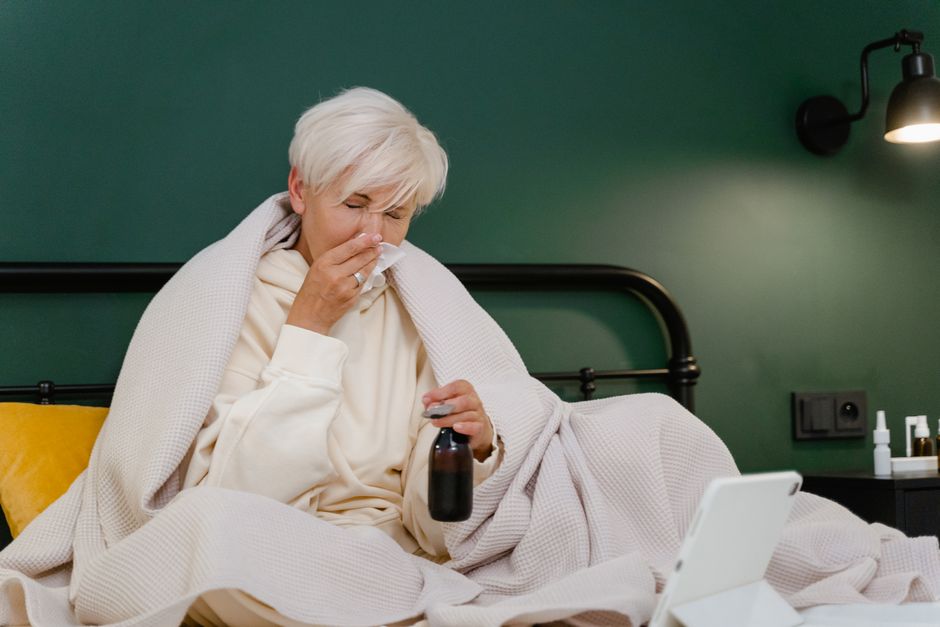
That scratchy throat, the sudden sneeze, the feeling that something is off. You wake up wondering if it is just dry air or the start of something worse. Most of the time, a cold starts with a sore or scratchy throat, followed by a runny nose, congestion, and sneezing within 24 to 48 hours. The key difference between a cold and other illnesses like the flu or allergies is how fast symptoms appear and what they include. A cold comes on slowly over a couple of days, while the flu hits you like a truck in a matter of hours.
What Are the First Signs of a Cold?
The earliest symptoms are usually subtle. You might feel a tickle in your throat or notice you are sneezing more than usual. Research published in the journal Clinical Infectious Diseases found that the incubation period for a common cold is typically 24 to 72 hours after exposure to the virus. That means you were likely exposed two or three days before you felt anything.
Within the first 24 hours of symptoms, the most common signs are a sore throat, nasal congestion, and a runny nose. Coughing usually starts later, around day four or five. Fever is rare in adults with a cold. If your temperature goes above 100.4°F, it is more likely the flu or another infection. The CDC notes that adults with a cold rarely have a fever, while children might run a low-grade one.
One thing many people miss is that fatigue can be part of a cold, but it is mild. You feel tired, not bedridden. If you cannot get out of bed or your body aches all over, that points away from a cold and toward something like the flu or COVID-19.
How To Know If I Have a Cold Versus the Flu
This is the most common confusion people have. Both are respiratory viruses, but they are caused by different viruses and hit differently. Influenza comes on fast. You can feel fine at lunch and be shivering with a fever by dinner. A cold creeps in over two to three days.
The table below breaks down the key differences based on CDC guidelines and clinical research.
| Symptom | Cold | Flu |
|---|---|---|
| Onset | Gradual (1-3 days) | Sudden (within hours) |
| Fever | Rare in adults | Common, often 100.4°F or higher |
| Body aches | Mild or none | Severe and widespread |
| Fatigue | Mild | Extreme, can last weeks |
| Cough | Mild to moderate, starts later | Dry and hacking, often severe |
| Sore throat | Very common early | Sometimes |
| Headache | Uncommon | Very common |
If you have a sudden fever, chills, and body aches, you likely have the flu. If your main complaint is a stuffy nose and scratchy throat that got worse over two days, it is probably a cold. Some studies suggest that about 50% of people who think they have the flu actually have a cold or another virus. The overlap is real, but the speed of onset is the most reliable clue.
How To Tell a Cold From Allergies or COVID-19
Allergies do not cause fever or body aches. They also do not cause the thick yellow or green mucus that often comes with a cold by day three or four. Allergies produce clear, watery discharge and are accompanied by itchy eyes and sneezing. If your symptoms appear at the same time every year, allergies are more likely.
COVID-19 is trickier because it shares many symptoms with a cold. The key difference is that COVID-19 often causes loss of taste or smell, which is very rare with a cold. A study from the journal Nature Medicine found that about 60% of people with COVID-19 reported some loss of smell, compared to less than 5% of people with a cold. COVID-19 also tends to cause more fatigue and can include gastrointestinal symptoms like nausea or diarrhea, which a cold almost never does.
If you have a sore throat and runny nose but no fever and no loss of smell, a cold is the most likely answer. If you have any doubt, a home test for COVID-19 is cheap and gives you a clear answer in 15 minutes. Testing is the only way to be sure.





What Actually Happens Inside Your Body During a Cold?
Understanding the process helps you know what to expect. When a cold virus — usually a rhinovirus — enters your nose or eyes, it attaches to cells in your nasal passages. Your immune system responds by sending inflammatory chemicals to fight the invader. Those chemicals cause the blood vessels in your nose to widen and leak fluid. That is why your nose runs.
The congestion comes from swollen tissues, not from mucus itself. Your body also ramps up mucus production to trap and flush out the virus. That is normal and actually helpful. The color of your mucus changes from clear to white to yellow or green over a few days. That color change is not a sign of a bacterial infection. It is just the presence of dead immune cells and enzymes. Many people think green mucus means you need antibiotics, but research shows that is false. The color alone does not tell you if you have a bacterial infection.
Your immune system usually clears the virus within 7 to 10 days. Symptoms peak around day 2 to day 4 and then slowly improve. If symptoms last longer than 14 days, it is worth seeing a doctor. That could indicate a secondary infection like sinusitis.
What Actually Helps You Feel Better During a Cold?
Nothing cures a cold. Antibiotics do not work on viruses. Antiviral drugs do not work on rhinoviruses. Your body clears the infection on its own. But you can manage symptoms to make the week less miserable.
- Rest is the most effective thing you can do. Your immune system works better when you are not running on empty. Even one night of poor sleep can lower immune cell activity by up to 70%, according to research from the University of California, San Francisco.
- Hydration helps thin mucus so it drains more easily. Warm liquids like tea or broth can also soothe a sore throat. There is no evidence that chicken soup has special healing powers, but it does provide fluids and warmth, which help.
- Saline nasal spray or rinses can flush out viruses and reduce congestion. A 2015 review in the journal Canadian Family Physician found that saline rinses reduced symptom severity and duration in some studies. They are safe and have no side effects when used correctly.
- Honey is one of the few remedies with real evidence behind it. A 2021 review in the journal BMJ Evidence-Based Medicine found that honey was more effective than over-the-counter cough medicines for reducing nighttime cough in children. For adults, a spoonful of honey can soothe a sore throat and calm a cough. Do not give honey to children under one year old due to botulism risk.
Over-the-counter medications like decongestants and pain relievers can help but come with trade-offs. Decongestants like pseudoephedrine can raise blood pressure. Acetaminophen is safe at recommended doses but can cause liver damage if you take too much. Read labels carefully and do not combine multiple products that contain the same active ingredient.
What to Avoid When You Have a Cold
There are plenty of popular remedies that do not work and some that can make things worse. Vitamin C is the most famous example. Large reviews of studies, including one from the Cochrane Collaboration, found that taking vitamin C every day does not prevent colds in the general population. It might shorten a cold by a day if you take it consistently, but taking it after symptoms start does nothing.
Zinc lozenges have mixed evidence. Some studies show they can shorten a cold by a day or two if taken within 24 hours of symptom onset. Other studies find no benefit. The main problem is that zinc lozenges often cause nausea and a bad taste. If you try them, start early and stop after five days. Long-term use can cause copper deficiency.
Echinacea is widely claimed to help, but strong evidence is limited. A 2014 meta-analysis in the journal Lancet Infectious Diseases found that echinacea products varied so much in quality and ingredients that no clear conclusion could be drawn. Some people report benefits, but the science is not there to back it up consistently.
Avoid combining multiple cold medicines. Many “multi-symptom” cold formulas contain a decongestant, a pain reliever, and a cough suppressant. If you only have a runny nose, you are taking drugs you do not need. Stick to treating the symptoms you actually have.
Common Misconceptions About Colds
The idea that going outside with wet hair causes a cold is false. Colds are caused by viruses, not by temperature. Being cold might weaken your immune response slightly, but it does not cause the infection. You catch a cold from someone who has the virus, not from the weather.
Another myth is that you can “sweat out” a cold. Exercise when you are sick can actually make things worse. Your body needs energy to fight the infection. Pushing yourself with intense exercise can prolong recovery. Light activity like walking is fine if you have mild symptoms, but rest is better.
Many people believe that if you have a fever, you have the flu. As mentioned earlier, adults with a cold rarely have a fever. But children can have a low-grade fever with a cold. If your child has a fever below 100.4°F and has a runny nose and cough, it is likely a cold. If the fever is higher or lasts more than three days, call your pediatrician.
Frequently Asked Questions
How long does a cold usually last?
Most colds last 7 to 10 days. Symptoms peak around day 2 to day 4 and then slowly improve.
Can you have a cold without a runny nose?
Yes, but it is uncommon. Some people experience only a sore throat and cough without much nasal congestion.
When should I see a doctor for a cold?
See a doctor if symptoms last longer than 14 days, if you have a fever above 100.4°F, or if you have difficulty breathing.
Is it possible to catch a cold from someone before they show symptoms?
Yes. You are most contagious one day before symptoms start and during the first two to three days of being sick.
