
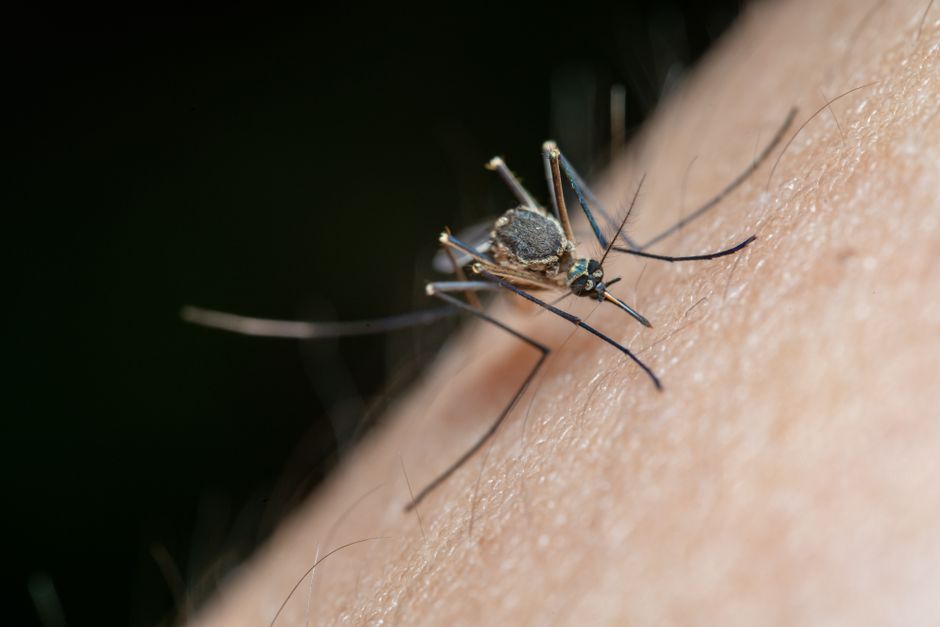
Bug bites itch because your immune system is reacting to proteins in the insect’s saliva. The fastest way to stop that itch is to apply something cold, keep the area clean, and use an over-the-counter anti-itch cream or oral antihistamine if needed.
Most bites get better on their own within a few days. The goal of treatment is not to make the bite disappear — it is to break the itch-scratch cycle before scratching opens the skin to infection.
What To Put On A Bug Bite To Stop Itching Fast
Cold is the fastest physical remedy. A cold pack, an ice cube wrapped in cloth, or even a cool damp washcloth numbs the nerve endings that carry itch signals. Apply it for about 10 to 20 minutes at a time. Do not press ice directly against bare skin — that can damage tissue.
After cooling the area, these options are commonly used:
- Calamine lotion — a traditional option that soothes and dries the skin. It provides mild, short-term relief.
- Hydrocortisone cream (1%) — an over-the-counter corticosteroid that reduces inflammation. It works best when applied soon after the bite.
- Oral antihistamines — drugs like diphenhydramine or cetirizine reduce the histamine response driving the itch. Cetirizine and similar non-drowsy antihistamines are often preferred during the day.
- Pramoxine or lidocaine creams — topical anesthetics that numb the skin. These are used for temporary relief.
- Oatmeal or baking soda paste — some people find these soothing, though the evidence for them is mostly traditional rather than from large clinical trials.
Wash the bite with mild soap and water first. Then apply one product — not several at once. Mixing creams can irritate skin that is already inflamed.
Here is a point many people miss: the itch from a mosquito bite is not caused by the bite itself. It is caused by your immune system flooding the area with histamine in response to the insect’s saliva. That is why antihistamines help — they target the actual driver, not just the sensation.
Why Does a Bug Bite Itch So Much?
When a mosquito, flea, or other biting insect pierces your skin, it injects saliva to keep your blood flowing. Your body recognizes proteins in that saliva as foreign. Immune cells called mast cells release histamine and other chemicals into the surrounding tissue.
Histamine does two things. It widens blood vessels, which causes redness and swelling. It also stimulates nerve endings, which your brain interprets as itch. This response is a normal part of immunity — not a sign that something is wrong.
The intensity varies widely between people. Some people barely react to mosquito bites. Others develop large, swollen welts from the same bite. This difference is largely immune-related and not a sign of poor health.
Scratching makes things worse. It triggers more histamine release, which increases the itch. This is the itch-scratch cycle. Breaking it is the single most useful thing you can do.
Does Scratching a Bug Bite Make It Worse?
Yes. Scratching damages the skin barrier and can introduce bacteria from under your fingernails. That is how a simple bite turns into an infected one.
Signs of infection include spreading redness, warmth, increasing pain, pus, or fever. If you see these, see a doctor. Infected bites sometimes need antibiotics.
If you cannot stop scratching, cover the bite with a bandage. Keeping it covered physically blocks the habit and protects the skin. Keeping fingernails short also reduces damage when scratching happens unconsciously, especially during sleep.




When Should You See a Doctor for a Bug Bite?
Most bites do not need medical care. But some situations do.
- A bite that keeps getting larger, redder, or more painful after 48 hours
- Pus or a yellow crust forming at the site
- Fever, chills, or feeling generally unwell
- A bite near the eye, mouth, or genitals that causes significant swelling
- Signs of a severe allergic reaction — hives spreading across the body, swelling of the lips or throat, difficulty breathing, dizziness, or a rapid heartbeat
A severe allergic reaction is a medical emergency. Call 911. Do not wait to see if it improves on its own.
Some people develop large local reactions — swelling that extends well beyond the bite, sometimes across an entire limb. These are uncomfortable but usually not dangerous. Still, they are worth having checked, because they can be confused with infection.
What About Bites From Spiders, Ticks, and Other Insects?
Different bites need different responses.
Tick bites deserve attention because ticks can transmit diseases. If you find an attached tick, remove it carefully with fine-tipped tweezers, pulling straight up close to the skin. Do not twist or crush it. Save the tick in a sealed container if you can, and watch the bite site for a rash. A spreading rash, especially a bullseye-shaped one, warrants prompt medical evaluation.
Spider bites are usually mild in the United States. Most cause redness, pain, and sometimes a small blister. A few species — such as black widows and brown recluses — can cause more serious reactions. If you experience severe muscle pain, cramping, sweating, or a wound that turns dark and enlarges, seek medical care.
Bee and wasp stings are not technically bites, but they cause similar itching and swelling. Remove the stinger if it is still present by scraping it sideways with a fingernail or card. Then apply cold and a hydrocortisone cream.
If you are unsure what bit you, treat the symptoms and monitor for worsening. A photo of the bite can help a doctor if you need to seek care later.
Do Home Remedies for Bug Bites Actually Work?
Some do. Others do not.
Cold compresses work because they numb nerve endings. That is well established.
Baking soda paste and oatmeal baths are traditional remedies. Some small studies suggest they may reduce itching, but the evidence is not strong. They are unlikely to cause harm for most people, so trying them is reasonable if other options are not available.
Things that do not have good evidence:
- Applying toothpaste — no studies support this, and it can irritate skin
- Rubbing alcohol — dries the skin and may worsen irritation
- Essential oils like lavender or tea tree — these can cause allergic reactions in some people, and evidence for itch relief is limited
- Vinegar — no clinical evidence supports it for bug bite itch
The most reliable approach is still cold, a proven topical product, and an oral antihistamine if the itch is widespread or keeping you awake.
Can You Prevent Bug Bites in the First Place?
Prevention is more effective than treatment. The CDC recommends using EPA-registered insect repellents. Products containing DEET, picaridin, IR3535, or oil of lemon eucalyptus have been shown to work. Follow the label instructions.
Other steps that help:
- Wear long sleeves and pants when outdoors in areas with high insect activity
- Use screens on windows and doors
- Remove standing water around your home — mosquitoes breed in it
- Avoid scented soaps and perfumes, which can attract insects
- Check for ticks after time in wooded or grassy areas
Permethrin-treated clothing is another option. Permethrin is an insecticide, not a repellent, and it should be applied to clothing — not directly to skin. Pre-treated clothing is available commercially.
How Long Do Bug Bites Usually Last?
Most mosquito bites resolve within three to four days. Flea bites may last a week or more, especially if you keep getting new ones. Spider bites vary widely depending on the species.
If a bite is still itching intensely after a week, or if it is getting worse instead of better, see a doctor. Chronic or recurring reactions can sometimes indicate an underlying skin condition or ongoing exposure to the insect.
The bottom line: cold first, then a targeted anti-itch product, and resist scratching. That combination handles most bites. When in doubt about what bit you or whether the bite is infected, get it checked.
Frequently Asked Questions
What is the fastest thing to put on a bug bite for itching?
A cold compress is the fastest option because it numbs the nerve endings that carry itch signals. Follow it with a 1% hydrocortisone cream or an oral antihistamine for longer-lasting relief.
Does toothpaste help bug bite itching?
No clinical evidence supports toothpaste for bug bites, and it can irritate already inflamed skin. Cold compresses and over-the-counter anti-itch creams are better-supported choices.
Can I use hydrocortisone cream on any bug bite?
Hydrocortisone 1% is generally safe for most insect bites on intact skin. Do not use it on broken skin, near the eyes, or for more than a few days without medical advice.
When should I worry about a bug bite?
See a doctor if the bite is spreading, getting more painful after 48 hours, or shows pus, or if you develop a fever. Seek emergency care for hives spreading across the body, throat swelling, or trouble breathing.
