
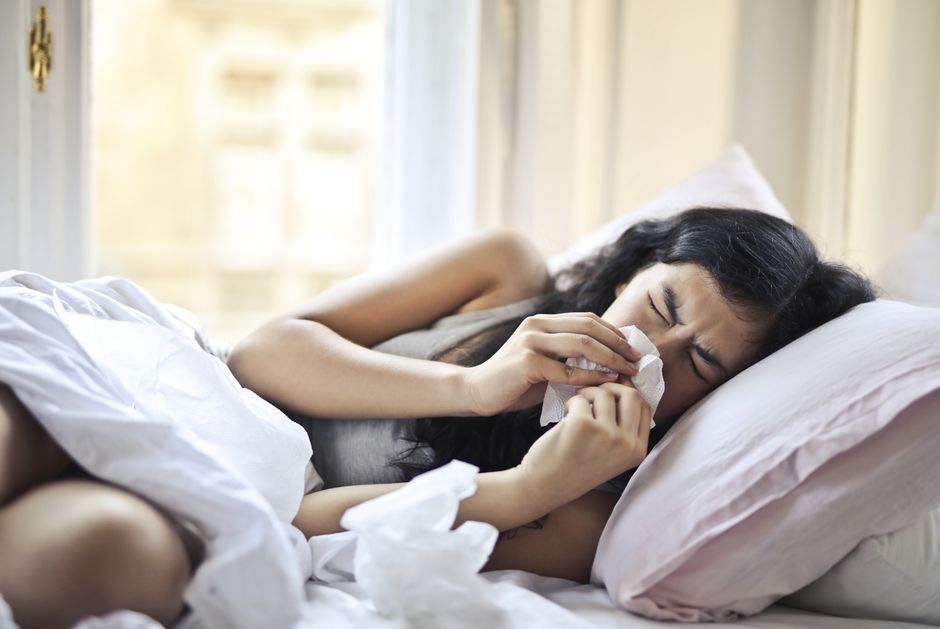
Sneezing when you are sick can feel relentless. It interrupts sleep, makes your head throb, and leaves you exhausted. The urge to sneeze comes from your nasal passages reacting to irritants, viruses, or inflammation. While you cannot always stop a sneeze once it starts, you can reduce how often you sneeze by targeting the cause. The most effective approach involves treating nasal irritation directly with saline rinses, antihistamines if allergies are involved, and simple physical tricks that interrupt the sneeze reflex before it fires.
Why Do You Sneeze More When You Are Sick?
Sneezing is a reflex. Your body uses it to clear the nasal passages of irritants. When you have a cold, flu, or another respiratory infection, the lining of your nose becomes inflamed and swollen. This inflammation triggers nerve endings that send a signal to your brain. The brain then tells your chest and throat muscles to force air out through your nose and mouth.
Infections are not the only trigger. Allergies, dust, dry air, and even bright light can cause sneezing. When you are sick, your nasal lining is already irritated. That means it takes less stimulation to trigger a sneeze. A minor tickle that you would normally ignore becomes a full sneeze.
How To Stop Sneezing When Sick What Actually Helps?
Stopping sneezes starts with calming the nasal lining. The fastest, most reliable method is a saline nasal rinse or spray. Saline solution thins mucus and washes out irritants that are triggering the reflex. You can use a neti pot or a squeeze bottle with distilled or boiled-and-cooled water. Saline sprays are gentler and easier to use if you are new to rinsing.
If your sneezing is driven by allergies rather than a cold, an oral antihistamine can block the histamine response that causes nasal irritation. Antihistamines like cetirizine or loratadine work best when taken before exposure to allergens. They do not treat the cold virus itself, so if your sneezing comes from a viral infection, antihistamines may not help much.
Physical pressure can also interrupt a sneeze. Pressing your tongue firmly against the roof of your mouth or pinching your nose at the base can sometimes stop the reflex before it completes. These tricks do not work for everyone, but they are harmless to try.
Does Blowing Your Nose Make Sneezing Worse?
Blowing your nose forcefully can increase irritation. When you blow hard, you push pressure into the nasal passages and sometimes into the sinuses. This can inflame the lining further, making you more sensitive to triggers. Gentle blowing, one nostril at a time, is less irritating than a forceful blast through both nostrils.
A better approach is to use a saline rinse before blowing. The rinse loosens mucus so it comes out with less effort. If your nose is dry and crusty, a humidifier in your bedroom can add moisture to the air and reduce the tickling sensation that causes sneezing.





Can Medications Stop Sneezing From a Cold?
Decongestant sprays like oxymetazoline can shrink swollen nasal tissue, which may reduce the irritation that causes sneezing. These sprays work quickly, but you should not use them for more than three days. Longer use can cause rebound congestion, making your nose more blocked than before.
Oral decongestants like pseudoephedrine can also reduce nasal swelling, but they do not directly stop sneezing. They may cause side effects like a racing heart or trouble sleeping. Some cold medications combine a decongestant with an antihistamine. These combination products can help if your sneezing is triggered by both congestion and histamine release, but they are not a guaranteed fix.
There is no medication that specifically targets the sneeze reflex itself. The sneeze is a protective mechanism, and suppressing it entirely is not a goal of standard cold treatment. What medications can do is reduce the nasal inflammation that makes sneezing more frequent.
Are There Home Remedies That Actually Work?
Steam inhalation is a common home remedy. Breathing in warm, moist air can soothe irritated nasal passages and loosen mucus. Some people find that a hot shower or a bowl of steaming water helps reduce sneezing fits. The effect is temporary, but it can provide relief during the worst moments.
Drinking warm fluids like tea or broth may help by keeping the nasal passages moist. There is no strong evidence that any specific tea or herbal remedy stops sneezing. Staying hydrated is generally good when you are sick, but it will not directly block the sneeze reflex.
Some people recommend eating spicy food to trigger a runny nose, which can flush out irritants. This works for some people, but it can also irritate the stomach. If you have acid reflux or a sensitive stomach, spicy food is not a good choice.
When Is Sneezing a Sign of Something More Serious?
Sneezing alone is rarely a sign of a serious problem. It is a normal symptom of colds, flu, and allergies. However, if your sneezing is accompanied by high fever, severe headache, facial pain, or difficulty breathing, you should seek medical attention. These symptoms can indicate a sinus infection or another condition that needs treatment.
If your sneezing lasts longer than two weeks, it may be allergies rather than an infection. Allergic rhinitis can cause chronic sneezing, nasal congestion, and itchy eyes. An allergist can test you for specific triggers and recommend treatments like allergy shots or prescription medications.
Does Holding In a Sneeze Cause Damage?
There have been rare case reports of people injuring themselves by holding in a sneeze with their nose and mouth closed. These injuries include ruptured eardrums and, in extremely rare cases, damage to the throat or blood vessels. The risk is very low, but it is not zero.
If you feel a sneeze coming and want to suppress it, use a less forceful method. Pressing your tongue to the roof of your mouth or breathing out slowly through your nose can reduce the force. It is safer to let a sneeze out into a tissue or your elbow than to hold it in completely.
What About Sneezing and Light Sensitivity?
Some people sneeze when they look at bright light. This is called the photic sneeze reflex, and it affects roughly one in four people. It is a genetic trait, not a symptom of illness. If you have this reflex, looking away from bright light when you feel a sneeze coming can sometimes help.
When you are sick, your sneeze threshold is lower. Bright light that would not normally trigger a sneeze might do so when your nasal passages are already irritated. Wearing sunglasses outdoors or dimming indoor lights can reduce this trigger.
When Should You See a Doctor for Sneezing?
Most sneezing from a cold resolves on its own within a week or two. You do not need to see a doctor for simple sneezing unless it is interfering with your daily life or accompanied by concerning symptoms.
See a doctor if you have a fever above 103°F, symptoms that last more than 10 days without improvement, or signs of a sinus infection like facial pain and thick yellow or green nasal discharge. Also seek care if you have asthma and your sneezing is accompanied by wheezing or shortness of breath.
Frequently Asked Questions
Can you stop a sneeze once it starts?
Once the reflex is fully triggered, you cannot reliably stop it. You can sometimes interrupt it in the first second by pressing your tongue to the roof of your mouth or pinching your nose.
Does blowing your nose stop sneezing?
Blowing your nose can remove irritants, but forceful blowing may increase nasal irritation. Use a saline rinse first to loosen mucus, then blow gently one nostril at a time.
Are antihistamines effective for sneezing from a cold?
Antihistamines help if your sneezing comes from allergies, not a cold virus. For cold-related sneezing, they provide limited benefit and may cause drowsiness.
Is it dangerous to hold in a sneeze?
Holding in a sneeze with your nose and mouth completely closed carries a very small risk of injury like a ruptured eardrum. Letting a sneeze out into a tissue or your elbow is safer.
