
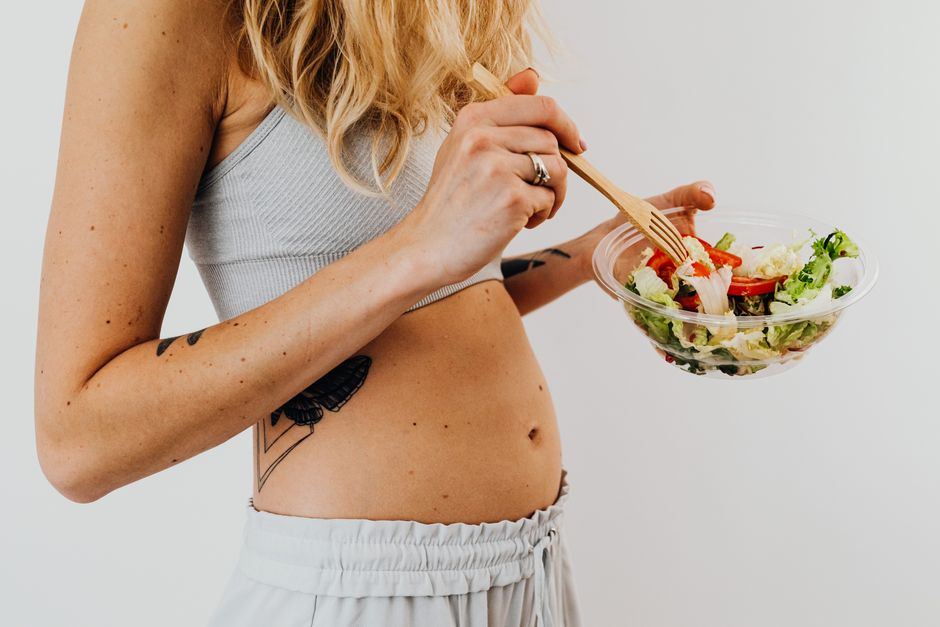
A great salad starts with a base, but it becomes a meal with the right toppings. The best salads balance greens, protein, healthy fats, and a flavorful dressing. You want texture, color, and enough substance to keep you full for hours, not just a bowl of leaves.
What To Put In Salad: The Core Building Blocks
Think of a salad in four parts. Start with a leafy base, add a protein, include a healthy fat, and finish with vegetables or fruit for crunch and flavor. If you hit all four, you have a balanced plate.
The base is your foundation. Romaine, spinach, arugula, and mixed greens all work well. Darker greens like spinach and kale carry more vitamins, but lighter greens like iceberg offer more crunch. Choose what you will actually eat.
Protein turns a side salad into a main course. Grilled chicken, hard-boiled eggs, canned tuna, chickpeas, or tofu all fit. If you are vegetarian, beans and lentils provide both protein and fiber.
Healthy fats help your body absorb fat-soluble vitamins like A, D, E, and K. Avocado, olive oil, nuts, and seeds are excellent choices. They also make the salad more satisfying.
The final layer is produce. Cucumbers, tomatoes, bell peppers, carrots, and red onion add color and crunch. Roasted vegetables like sweet potato or Brussels sprouts bring warmth and depth.
How To Build A Salad That Keeps You Full
A salad that leaves you hungry an hour later is missing protein and fiber. Protein slows digestion and signals fullness. Fiber adds bulk without extra calories.
Research consistently shows that protein-rich meals reduce hunger more than carbohydrate-heavy meals. This applies to salads too. If your salad lacks protein, you will likely crave a snack soon after.
Aim for a palm-sized portion of protein in your salad. That is roughly 20 to 30 grams for most adults. This could be one chicken breast, two hard-boiled eggs, or a cup of chickpeas.
Fiber comes from vegetables, fruits, beans, and whole grains. Adding quinoa, farro, or barley to a salad increases fiber and gives it a chewy texture. These grains also make the salad feel more like a meal.
Do not forget the dressing. A salad without dressing is dry and less appealing. But bottled dressings often carry added sugar and unhealthy oils. A simple mix of olive oil, vinegar, salt, and pepper works for most salads.
Best Protein Options For Salads
Protein is the most important ingredient for turning a salad into a satisfying meal. The options are broad, so you can rotate based on what you have on hand.
Grilled or baked chicken breast is the most common choice. It is lean, mild in flavor, and pairs with almost any dressing. Shredded rotisserie chicken works as a quick shortcut.
Canned fish is underrated. Tuna, salmon, and sardines add protein and omega-3 fatty acids. They require no cooking and last in your pantry for months.
Eggs are versatile and affordable. Hard-boiled eggs slice cleanly and add richness. Soft-boiled eggs break open over warm greens and create a creamy texture.
Plant proteins work just as well. Chickpeas, black beans, lentils, and edamame are all salad-friendly. Roasted chickpeas add crunch while keeping their protein content.
Tofu and tempeh are solid options for plant-based eaters. Extra-firm tofu can be cubed and pan-seared for a crispy exterior. Tempeh has a nutty flavor and holds up well in salads.
Cheese adds protein too, though it also adds saturated fat. Feta, goat cheese, and shaved parmesan deliver strong flavor in small amounts. A little goes a long way.




Healthy Fats That Improve Nutrient Absorption
Fat is not the enemy in salads. Your body needs it to absorb certain vitamins. Research shows that eating salads with fat improves the absorption of carotenoids like beta-carotene and lycopene.
Avocado is the most popular choice. It is creamy, mild, and packed with monounsaturated fat. Half an avocado adds roughly 10 grams of fat and a smooth texture.
Olive oil is both a fat and a dressing base. Extra-virgin olive oil contains polyphenols that act as antioxidants. It is the most studied oil in the Mediterranean diet.
Nuts add crunch and healthy fat. Walnuts, almonds, pecans, and pistachios all work. They also provide vitamin E and magnesium.
Seeds are smaller but nutrient-dense. Pumpkin seeds, sunflower seeds, and sesame seeds sprinkle easily over any salad. Chia and flax seeds add fiber and omega-3s, though they are less crunchy.
If you use a fat-free dressing, you lose the benefit of fat-soluble vitamin absorption. A small amount of full-fat dressing is more nutritious than a large amount of fat-free dressing.
Vegetables And Fruits For Texture And Flavor
Raw vegetables are the standard salad add-ins, but roasted and pickled options add variety. Mixing textures keeps the salad interesting from first bite to last.
Cucumbers provide water and crunch. English cucumbers have thin skins and fewer seeds. Persian cucumbers are small and sweet. Both work without peeling.
Tomatoes add juiciness and acidity. Cherry tomatoes are sweeter and hold their shape. Sliced beefsteak tomatoes work in summer when they are in season.
Bell peppers are crisp and colorful. Red and yellow peppers are sweeter than green ones. Slice them thin so they do not overwhelm the other ingredients.
Red onion adds sharpness. Soak sliced onions in cold water for ten minutes to mellow the bite. Shallots are a milder alternative.
Roasted vegetables change the salad completely. Sweet potato, butternut squash, and Brussels sprouts become caramelized and tender. Roast them ahead of time and add them warm or at room temperature.
Fruit is an underused salad ingredient. Sliced apples or pears add sweetness and crunch. Berries, mandarin oranges, and pomegranate seeds bring bright color and acidity that pairs well with cheese and nuts.
Dried fruit like cranberries or raisins adds concentrated sweetness. Use them sparingly because they are high in sugar. A small handful is enough.
Dressing Basics: Oil, Acid, And Seasoning
A good dressing is a simple ratio of oil to acid. The standard formula is three parts oil to one part acid. Olive oil and vinegar are the classic pair.
Vinegar options include balsamic, red wine, white wine, and apple cider. Each has a distinct flavor. Balsamic is sweet and thick. Red wine vinegar is sharp and bright.
Lemon juice works as the acid too. Fresh lemon juice tastes cleaner than bottled. Lime juice pairs well with Mexican-style salads.
Seasoning matters more than people think. Salt brings out the flavor of the vegetables. Black pepper adds mild heat. Dijon mustard emulsifies the dressing and adds tang.
Store-bought dressings are convenient but often contain added sugar and preservatives. Check the ingredient list. If sugar appears in the first five ingredients, consider a different brand or make your own.
Make dressing in a small jar and shake it. A simple vinaigrette takes two minutes and lasts a week in the refrigerator. The oil solidifies when cold, so let it sit at room temperature before using.
Common Salad Mistakes To Avoid
Dressing the salad too early is the most common error. The greens wilt and become soggy. Dress the salad right before serving, or serve the dressing on the side.
Chopping ingredients too large makes the salad hard to eat. Everything should be bite-sized. You should not need a knife at the table.
Using only iceberg lettuce limits nutrition. Iceberg is mostly water and has little fiber or vitamins. Mix it with darker greens for a better nutrient profile.
Adding too many toppings can overwhelm the salad. If every ingredient fights for attention, the flavors blur. Pick a few strong components and let them shine.
Forgetting salt is a common issue. Underseasoned salads taste flat. A pinch of salt on the vegetables before adding dressing makes a noticeable difference.
Salad Ideas For Different Meals
Breakfast salads are less common but work well. Use arugula, a soft-boiled egg, avocado, and a lemon vinaigrette. The egg provides protein and the arugula adds a peppery bite.
Lunch salads should be substantial. Start with mixed greens, add grilled chicken, chickpeas, cucumber, and a tahini dressing. The combination of protein and fiber will carry you through the afternoon.
Dinner salads can be lighter or heavier depending on your day. A taco salad with ground beef, black beans, corn, and salsa dressing is filling. A simple salmon salad with greens and roasted vegetables is lighter.
Meal-prepped salads need sturdy ingredients. Kale holds up better than spinach. Roasted vegetables stay firm. Keep dressing separate and add it only when you are ready to eat.
Frequently Asked Questions
What is the healthiest base for a salad?
Spinach and kale are the most nutrient-dense greens. They provide more vitamins and minerals than iceberg or romaine.
How much protein should go in a salad?
A palm-sized portion is a good target for most adults. That is roughly 20 to 30 grams of protein.
Is store-bought salad dressing bad for you?
Many bottled dressings contain added sugar and low-quality oils. Check the ingredient list and choose options with simple ingredients.
Can you meal-prep salads without them getting soggy?
Yes, if you use sturdy greens and keep the dressing separate. Kale and cabbage hold up well for several days.
