
Probiotic powder needs a food or drink that protects the live bacteria from stomach acid while helping them reach your gut. The best options are cool or room-temperature liquids like water, milk, and yogurt, plus soft foods like applesauce and oatmeal. You want to avoid hot liquids and acidic juices, which can kill the beneficial bacteria before you even swallow them.
Why Temperature Matters With Probiotic Powder
Probiotics are living microorganisms. Heat destroys them. That is not a marketing warning, it is basic biology.
Most probiotic strains start to die off at temperatures above 115°F to 120°F. A hot cup of coffee or tea is typically 160°F to 185°F. Mixing your powder into a hot drink will kill a large portion of the bacteria before they reach your gut.
Room temperature is safe. Cold is safe. If you want to be cautious, keep everything below body temperature, around 98.6°F. If the liquid feels warm to the touch, it is too hot.
Some manufacturers claim their strains are heat-resistant. That may be true for certain spore-forming strains, but most common probiotic species like Lactobacillus and Bifidobacterium are not heat-stable. When in doubt, keep it cool.
Best Liquids To Mix With Probiotic Powder
Water is the simplest option. It has no fat, no sugar, and no acidity that could interfere with the bacteria. Stir the powder into a glass of room-temperature or cold water and drink it right away.
Milk works well too. The fat and protein in milk can actually protect probiotic bacteria as they pass through the stomach. Some research suggests that dairy-based delivery improves bacterial survival compared to water alone. Whole milk and skim milk both work.
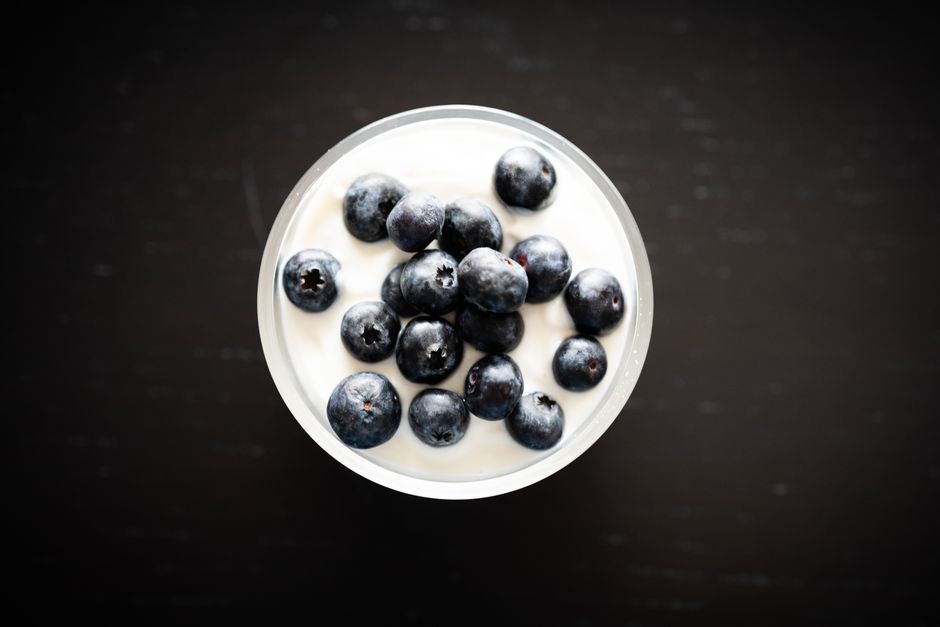
Yogurt is an excellent choice. It already contains live cultures in many cases, and its creamy texture masks the powder well. Mixing your powder into plain yogurt gives the bacteria a food source and a protective matrix.
Kefir is another fermented dairy option. It is naturally rich in probiotics, so adding your powder to it simply increases the dose. The tangy flavor can hide any taste from the powder.
Smoothies work if you keep them cool. Blend your powder into a fruit smoothie made with milk, yogurt, or a plant-based milk. Just avoid adding hot ingredients or blending for so long that the mixture warms up.
Best Foods To Mix With Probiotic Powder
Applesauce is one of the most reliable options. It is soft, mildly sweet, and has a neutral pH that will not harm the bacteria. Stir the powder in thoroughly and eat it within a few minutes.
Oatmeal is fine if you let it cool first. Cook your oatmeal, then wait until it is warm but not hot. Test it on your wrist like you would test a baby bottle. If it feels neutral, it is safe to add the powder.
Mashed bananas work well. The texture is smooth, the flavor is mild, and the natural sugars give the bacteria something to feed on. This is a common choice for parents giving probiotics to young children.
Soft scrambled eggs are another option. Let them cool slightly before mixing. This works best if you are already eating eggs for breakfast and want to combine steps.
Pudding and applesauce-based snacks are acceptable. Look for options without added sugar if you are watching your intake. The key is that the food is soft, cool, and easy to swallow.



Liquids and Foods To Avoid
Hot coffee and tea are the most common mistakes. People make their morning drink, then remember their probiotic. The heat will kill most of the bacteria.
Citrus juices like orange juice and grapefruit juice are problematic. They are highly acidic, with a pH around 3.5. While some research suggests certain strains survive acidic environments, the combination of acid and time in the stomach creates a hostile environment. If you want to use juice, choose a low-acid option like apple juice or carrot juice.
Carbonated beverages are not ideal. The carbonation adds pressure and can cause the powder to foam, making it hard to mix evenly. Some people also experience bloating when combining carbonation with probiotics.
Alcohol should be avoided entirely. Alcohol can kill bacteria and may reduce the effectiveness of the probiotic. There is no benefit to mixing the two.
Very sugary drinks are not harmful to the bacteria directly, but they add unnecessary calories. If you are taking a probiotic for digestive health, pairing it with a high-sugar drink works against your overall goal.
What To Mix Probiotic Powder With Best Options for Maximum Survival
If you want the best chance of live bacteria reaching your gut, the evidence points to cool dairy. Milk, yogurt, and kefir provide a protective effect that water alone does not.
The fat content in dairy appears to buffer the bacteria against stomach acid. Some studies have shown higher survival rates for probiotics delivered in milk or yogurt compared to water or juice. This does not mean water fails, it just means dairy gives you more margin.
For people who avoid dairy, room-temperature water is a solid second choice. Add the powder to a small glass, stir well, and drink immediately. Do not let it sit, as the bacteria may start to settle or degrade over time.
Non-dairy milks like almond milk and oat milk are acceptable but less studied. They lack the protective proteins found in cow’s milk. If you use them, keep the serving small and drink it right away.
How To Take Probiotic Powder Correctly
Follow the dosing instructions on the product label. Probiotic powders vary in concentration, and the manufacturer has tested their specific product at a specific dose. Do not assume more is better.
Take your probiotic with a meal or shortly before one. Food helps buffer stomach acid and increases the chance that bacteria survive the journey to your intestines. An empty stomach means the bacteria face the full force of gastric acid.
Do not mix the powder into your food and then save the leftovers. The bacteria need to be consumed shortly after mixing. Leaving a smoothie or yogurt cup in the fridge for later reduces the viability of the organisms.
If you take antibiotics, separate your probiotic by at least two hours. Antibiotics kill bacteria indiscriminately, including the beneficial ones you are trying to introduce. Taking them at the same time is a waste of the probiotic.
Be consistent. Probiotics do not colonize the gut permanently. They pass through and provide benefits while they are present. Daily use is generally recommended for ongoing support, but check your specific product label for guidance.
Does Mixing With Food Reduce Effectiveness
No. Mixing with food does not reduce effectiveness, provided the food is cool and not highly acidic. In fact, food can improve survival rates.
The stomach produces acid when you eat. That might sound like a problem, but the food itself buffers the acid, raising the pH in the stomach temporarily. This gives the probiotic bacteria more time to pass through to the intestines.
Some people worry that fiber-rich foods might interfere with probiotic absorption. This is not supported by evidence. Fiber actually serves as a prebiotic, feeding the beneficial bacteria once they arrive in the colon.
The only real risk with food is temperature. If you mix your probiotic into something hot, you lose the bacteria. If you keep it cool, food is your ally, not your enemy.
What If You Forget To Take Your Probiotic
If you miss a dose, take it when you remember, unless it is close to your next scheduled dose. In that case, skip the missed dose and continue with your regular schedule. Do not double up.
Consistency matters more than perfection. A probiotic taken four days a week is better than none, but daily use gives you the most consistent benefit. Set a reminder on your phone or pair it with a daily habit like brushing your teeth.
There is no evidence that a missed dose causes any harm. Your gut microbiome will not collapse because you skipped one day. Just get back on track the next day.
Frequently Asked Questions
Can I mix probiotic powder with hot coffee?
No. Heat above 115°F to 120°F will kill most probiotic bacteria. Wait for your coffee to cool to room temperature before adding the powder.
Is it better to take probiotics with water or food?
Taking probiotics with food is generally better because food buffers stomach acid and improves bacterial survival. Cool water on an empty stomach works, but food gives you more margin.
Can I mix probiotic powder with orange juice?
Orange juice is highly acidic and may reduce bacterial survival. Low-acid options like apple juice or room-temperature water are safer choices.
How long can I leave probiotic powder mixed in a drink?
Drink it within a few minutes of mixing. Leaving it sitting for hours reduces the viability of the live bacteria.
