
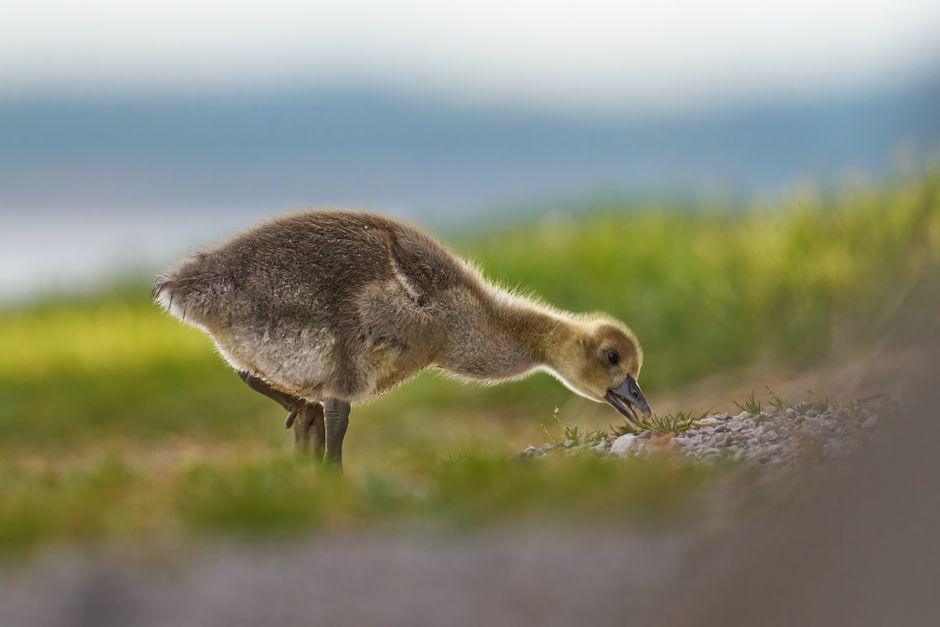
Goslings are not small ducks, and feeding them like ducks can cause serious harm. The single most important nutrient in a young gosling’s diet is niacin, and a lack of it can cause permanent leg damage within weeks. Goslings need a waterfowl-specific starter feed, constant access to clean water deep enough to dunk their whole bill, and a small amount of chopped greens. Do not feed them medicated chicken feed, bread, or plain scratch grains.
Why Is Niacin So Important for Goslings?
Niacin, also called vitamin B3, is a water-soluble vitamin that goslings cannot store in meaningful amounts. Their bodies need a steady supply from food every day.
Niacin is used to build two coenzymes, NAD and NADP, that help cells convert food into usable energy. In a growing bird, that energy demand is enormous. Bones are lengthening, muscles are thickening, and the nervous system is wiring itself. When niacin runs short, the systems that depend on it most start to fail first.
In goslings, the visible failure shows up in the legs. The condition is called perosis, sometimes described as slipped tendon. The hock joint swells, the leg bows outward, and the bird has trouble standing or walking. If the deficiency continues, the damage can become permanent even after niacin is restored.
This is not a rare problem. It is one of the most common nutritional mistakes new goose keepers make, largely because chick starter feed does not contain enough niacin for waterfowl.
What To Feed Goslings: Diet, Niacin, And Foods To Avoid
The base of a gosling’s diet should be a commercial starter feed formulated for ducks and geese, not for chickens. Waterfowl starter is built around the higher niacin requirement that goslings have from day one.
Chicken starter feed is the problem. It is nutritionally complete for chicks, but its niacin level is set for chickens, which need less than waterfowl do. Feeding chick starter to goslings as their main diet raises the risk of perosis. Some keepers add a niacin supplement to chick starter as a workaround. That can work, but it is easy to get the amount wrong, and it does not fix other differences between chicken and waterfowl formulas.
Beyond the starter feed, goslings benefit from:
- Chopped dark leafy greens such as romaine, kale, or dandelion greens, offered in small amounts from the first week
- Finely chopped grass once they are a few weeks old and their digestive system has matured
- Grit, offered separately in a small dish, once they start eating anything beyond starter feed
- Constant access to clean water
Water matters more than many people realize. Goslings need water deep enough to submerge their entire bill, because they use it to moisten and swallow dry feed. A shallow dish that only covers the tip of the beak is not enough. Without proper water access, a gosling can choke on dry crumble or develop an impacted crop.
Waterfowl starter feed is typically offered free-choice for the first several weeks. As the gosling grows, the diet shifts gradually toward grass, greens, and a growing or maintenance ration. The exact transition timing depends on the breed and the feed manufacturer’s guidance.
How Much Niacin Does a Gosling Actually Need?
Niacin requirements for goslings are higher than for chicks, and this is the core reason waterfowl feed exists as a separate product.
Published poultry nutrition references list a niacin requirement for growing waterfowl that is meaningfully above the chick requirement, though exact figures vary by source and by breed. Rather than trying to hit a precise milligram target at home, the practical approach most experienced keepers and feed manufacturers take is simpler: use a feed labeled for ducks and geese, and let the formulation handle the math.
If you cannot find waterfowl starter and must use chick starter short-term, a niacin supplement can be added. The common form used is plain niacin, not the flush-free “no-flush” version, because the flush-free form is not well utilized by birds. Getting the dose right matters, and a veterinarian who treats poultry is the right person to ask for a specific amount. Guessing at a dose is not a good plan for a growing bird.
Brewer’s yeast is often mentioned as a niacin source. It does contain niacin, but the amount is modest and inconsistent between products. It is not a reliable substitute for a properly formulated feed.




What Foods Should You Never Feed a Gosling?
Some foods are dangerous for goslings specifically, and others are simply poor nutrition that crowds out what they actually need.
Medicated chicken feed is the most important one to avoid. Many chick starters contain a coccidiostat, and some of these medications are not approved for waterfowl. The risk varies by the specific drug, but the safe default is to keep medicated feed away from goslings entirely.
Bread is a common mistake. It fills the bird up without providing useful nutrition, and in large amounts it can contribute to a condition called angel wing, where the wing feathers grow outward instead of folding correctly. The link between bread and angel wing is widely reported by waterfowl keepers and rescue groups, though the underlying cause is generally understood to be a nutritional imbalance rather than bread alone.
Other foods to avoid include:
- Plain scratch grains or cracked corn as a main diet, which are too low in protein and niacin for a growing bird
- Moldy or spoiled feed of any kind
- Avocado, which is toxic to birds
- Salty or processed human snacks
- Lawn clippings treated with herbicides or pesticides
There is one more thing worth flagging. Goslings imprint on whatever they see first and will happily eat things that are not good for them. Supervision during outdoor time is not optional.
How Do You Know If a Gosling Is Not Getting Enough Niacin?
The early signs are easy to miss if you do not know what to look for. A niacin-deficient gosling may sit more than its siblings, walk with a stiff or wobbly gait, or seem reluctant to move toward food and water.
As the deficiency progresses, the hock joint swells and the leg may turn outward. In severe cases the bird cannot stand. These signs typically appear in the first few weeks of life, which is when growth is fastest and niacin demand is highest.
If you see these signs, act quickly. Switching to a proper waterfowl starter feed and consulting a poultry veterinarian gives the best chance of recovery. Leg damage that has already become structural may not fully reverse, which is why prevention through correct feeding matters so much more than treatment.
It is also worth knowing that leg problems in goslings are not always caused by niacin. Injury, infection, and other nutritional gaps can produce similar signs. A veterinarian can help sort out which is which.
Can Goslings Eat Grass and Forage Right Away?
Goslings can start nibbling tender young grass within the first week or two, but grass should not be the main diet at that stage. Their digestive system is still developing, and they need the concentrated nutrition of a starter feed to grow properly.
By the time a gosling is a few weeks old, grass and greens can make up a growing share of the diet. Adult geese are largely grazers and can thrive on good pasture with supplemental feed, but that is a later stage. Pushing a young gosling onto pasture too early slows growth and increases the risk of nutritional gaps.
If you offer grass, make sure it has not been treated with weed killers or fertilizer recently. Young birds are more vulnerable to toxins than adults, and the margin for error is smaller.
Frequently Asked Questions
Can goslings eat chick starter feed?
Chick starter does not contain enough niacin for goslings and can lead to leg problems if used as the main diet. Use a starter feed labeled for ducks and geese instead.
What are the first signs of niacin deficiency in goslings?
Early signs include a stiff or wobbly walk, sitting more than usual, and reluctance to move. As it progresses, the hock joint swells and the leg may bow outward.
Is brewer’s yeast a good niacin source for goslings?
Brewer’s yeast contains niacin, but the amount varies between products and is generally too low and too inconsistent to rely on. A waterfowl-specific starter feed is the more dependable source.
How deep should a gosling’s water be?
Deep enough for the gosling to submerge its entire bill, which it needs in order to swallow dry feed safely. A dish that only wets the tip of the beak is not sufficient.
