
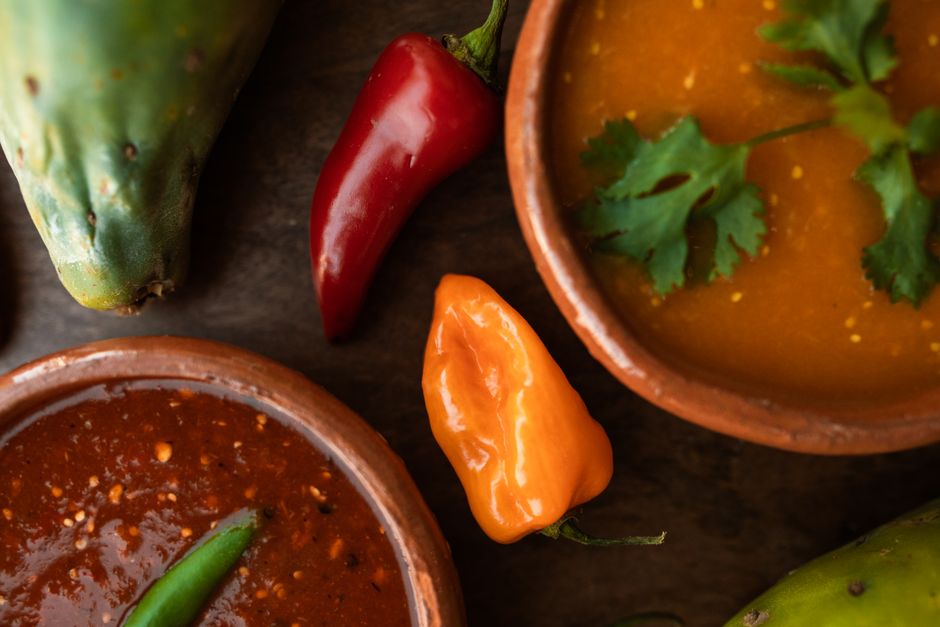
When spicy food hits your tongue, the burning sensation comes from capsaicin binding to pain receptors in your mouth. Water makes it worse because capsaicin does not dissolve in water. The most effective way to cool the burn is to eat or drink something with fat, sugar, or dairy — foods that physically wash capsaicin away from those receptors. Milk, yogurt, bread, rice, and sugar-based foods are your best options when the heat becomes too much.
Why Does Water Make Spicy Food Burn Worse?
Capsaicin is an oil-like molecule. It does not mix with water. When you drink water, it spreads the capsaicin around your mouth instead of washing it away. That is why the burn often feels more intense right after a sip of water.
Cold water can offer a brief moment of relief because of the temperature. But the relief lasts only seconds. The capsaicin stays on your tongue, and the burning returns as soon as your mouth warms back up.
The same problem applies to beer and most soft drinks. They are mostly water. Unless the drink contains dairy, fat, or a significant amount of sugar, it will not do much to stop the burn.
What To Eat With Spicy Food To Cool The Burn: Dairy First
Dairy products are the most reliable option for stopping the burn. The protein casein in milk acts like a detergent. It binds to capsaicin and helps pull it away from the pain receptors on your tongue.
Whole milk works better than skim milk because the fat content helps too. But even skim milk helps because casein does the main work. Yogurt, sour cream, and ice cream all contain casein and fat, making them strong choices.
Some research suggests that casein is more effective at removing capsaicin than fat alone. That means a glass of whole milk is often a better choice than a spoonful of cooking oil. The combination of casein and fat in dairy makes it the most effective category of foods for cooling the burn.
If you are lactose intolerant, dairy may cause digestive discomfort even though it stops the mouth burn. In that case, move on to the other options below.
Why Sugar and Sweet Foods Help Stop the Burn
Sweet foods interrupt the burning sensation in a different way. Sugar activates the taste receptors for sweetness on your tongue. This sends signals to your brain that compete with the pain signals from capsaicin. The brain perceives less heat when sweetness is present.
Honey is a particularly effective option. It is thick, which means it coats the mouth, and it is high in sugar, which provides that competing signal. A spoonful of honey can provide noticeable relief within seconds.
Other sweet options include fruit juice, sweetened iced tea, and sugar cubes. The more concentrated the sugar, the faster the relief. A spoonful of sugar dissolved slowly on the tongue works well. So does a piece of sweet fruit like a ripe mango or pineapple.
One note: sugar works best for the immediate mouth burn. It does not do much for the stomach discomfort that can come later after eating a very spicy meal.





Starches: Bread, Rice, and Potatoes Absorb the Heat
Starchy foods work by physically absorbing capsaicin. Bread, rice, tortillas, and potatoes act like sponges. They soak up the oily capsaicin and carry it away from your tongue when you swallow.
Plain white bread is a common choice in many cultures that eat spicy food regularly. In Thai cuisine, sticky rice is often served alongside spicy dishes for this exact reason. In Indian cuisine, naan or roti serves the same purpose.
These foods work best when you eat them together with the spicy food, not just after the burn starts. Taking a bite of rice or bread between bites of spicy curry prevents the capsaicin from building up on your tongue in the first place.
If the burn is already intense, starchy foods still help, but they work more slowly than dairy or sugar. Chew thoroughly and let the food sit in your mouth for a moment before swallowing.
Acidic Foods: Do Lemons and Limes Actually Work?
Some people recommend citrus fruits or vinegar to cut through the burn. The logic is that acids neutralize the alkaline capsaicin molecule. In practice, the effect is mixed.
Acidic foods can provide temporary relief because the sour taste competes with the pain signals, similar to how sugar works. But acid does not break down capsaicin the way some people claim. The relief is mostly from taste competition, not chemical neutralization.
Tomatoes are a better option than straight citrus. Tomato-based salsas and sauces contain both acid and natural sugars. The combination provides more relief than lemon juice alone.
If you enjoy acidic foods with spicy meals, they can help somewhat. But do not expect them to work as well as dairy or sugar-heavy options.
What About Oils, Nuts, and Nut Butters?
Because capsaicin dissolves in fat, eating pure fats like olive oil or coconut oil can help wash it away. But most people do not want to swallow a spoonful of oil to stop the burn.
Nut butters are a more practical option. Peanut butter contains both fat and protein, and it is thick enough to coat your mouth. A spoonful of peanut butter can provide meaningful relief, though it takes a few seconds to work.
Avocado is another fatty option that works reasonably well. It is not as effective as dairy because it lacks casein, but the fat content still helps dissolve and carry away capsaicin.
One caution: oily foods can spread capsaicin around your mouth before they remove it. This is why plain oil is not the best choice. Foods that are thick and sticky, like nut butters, work better because they trap the capsaicin rather than just dissolving it.
Foods That Make the Burn Worse
Just as important as knowing what to eat is knowing what to avoid. Carbonated drinks can make the burn feel sharper. The bubbles irritate your mouth and can push capsaicin into more sensitive areas.
Alcohol does not reliably help. Some people find that beer provides temporary relief because of the carbonation and cold temperature, but the effect does not last. High-proof spirits can actually make the burn worse because alcohol irritates mucous membranes.
Very hot or very cold foods can confuse your pain receptors temporarily. Ice cream or ice water can numb the mouth for a moment. But the burn returns once the temperature normalizes. These are temporary fixes, not real solutions.
Frequently Asked Questions
Does milk work better than water for spicy food?
Yes. Milk contains casein, a protein that binds to capsaicin and washes it away from your pain receptors. Water cannot do this because capsaicin does not dissolve in water.
What is the fastest way to stop the burn from spicy food?
Whole milk or full-fat yogurt is the fastest reliable option because casein and fat work together to remove capsaicin from your tongue. A spoonful of honey or sugar also works quickly by sending competing sweetness signals to your brain.
Why does my mouth still burn after drinking water?
Water spreads capsaicin around your mouth instead of removing it because capsaicin is oil-based and repels water. This makes the burn feel more intense even though the total amount of capsaicin has not changed.
Does bread or rice actually help with spicy food burn?
Yes. Bread, rice, and other starches physically absorb the oily capsaicin and carry it away when you swallow. They work best when eaten alongside spicy food to prevent the burn from building up.
The most reliable strategy is to keep dairy or a sugary drink nearby when eating spicy food. If you are avoiding dairy, bread or rice eaten throughout the meal will reduce the overall burn. Sugar and honey work fastest in an emergency. Water alone will not save you.
