
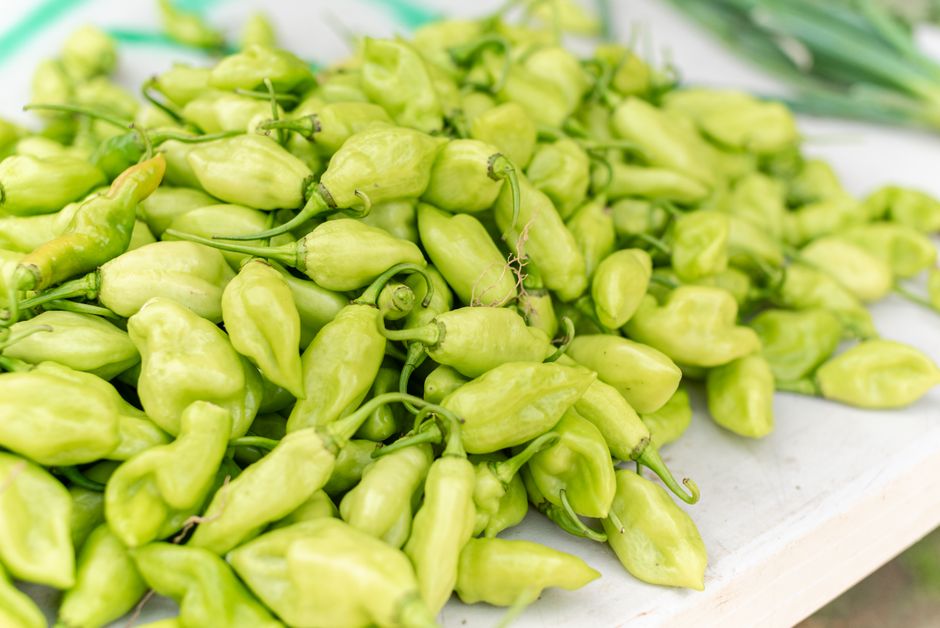
Many pregnant women crave spicy food, and many others worry that eating it might harm their baby. The direct answer is yes, eating spicy food during pregnancy is generally safe for most women. It does not cause miscarriage, birth defects, or harm to the developing baby. The main issues are the uncomfortable side effects it can cause for you, such as heartburn and indigestion, which are already common during pregnancy.
Does Spicy Food Hurt the Baby?
No. The flavor of spicy food does not reach your baby in a harmful way. When you eat something spicy, the compound that gives chili peppers their heat, called capsaicin, is broken down in your digestive system. It does not cross the placenta in a way that would harm fetal development.
Some old wives’ tales suggest that eating spicy food during late pregnancy can trigger labor or cause the baby to be born with a rash. There is no scientific evidence to support these claims. Your baby’s skin issues, such as newborn acne or rashes, are related to hormones and skin development, not your diet.
What you eat does affect the flavor of your amniotic fluid. Some research suggests that babies may be exposed to flavors from the mother’s diet and this can influence food preferences later in life. This is not a risk, just an interesting fact about how taste develops before birth.
Why Spicy Food Can Cause Heartburn
The real issue with spicy food during pregnancy is how it affects your digestive system. Pregnancy hormones, specifically progesterone, relax the muscles throughout your body. This includes the lower esophageal sphincter, the muscular ring that keeps stomach acid from flowing back up into your esophagus.
When this muscle relaxes, stomach acid can travel upward, causing the burning sensation known as heartburn. Spicy foods can also directly irritate the lining of the esophagus and stomach, making heartburn worse or triggering it if you are prone to it.
This means that even if you handled spicy food well before pregnancy, you may find it causes heartburn now. It is not dangerous for the baby, but it is very uncomfortable for you. Acid reflux is one of the most common complaints during pregnancy, affecting a large number of expectant mothers.
Can Spicy Food Cause Digestive Upset?
Capsaicin can speed up the movement of food through your digestive tract. For some women, this means loose stools or diarrhea after eating a very spicy meal. This is not harmful to the baby, but it can lead to dehydration if it is severe or persistent.
Pregnancy already slows down the digestive system, which is why constipation is so common. Eating spicy food may counteract that slowing effect in some women. For others, it does the opposite and causes more gas and bloating.
Pay attention to your body. If a particular dish causes you cramps, diarrhea, or severe discomfort, it is reasonable to avoid it or eat smaller amounts. Your digestive system is working differently right now, and your tolerance may have changed.



Are There Any Benefits to Eating Spicy Food While Pregnant?
Spicy foods are not a nutritional requirement during pregnancy, but they are not harmful either. Many spicy dishes include healthy ingredients like peppers, which contain vitamins A and C, and other vegetables. If you enjoy spicy food and it does not cause you discomfort, there is no reason to stop eating it.
Some women report that eating spicy food helps with nausea in early pregnancy, though this is not backed by strong clinical evidence. The evidence for this is anecdotal, meaning it is based on personal reports rather than controlled studies. If it works for you, it is fine to continue, but do not force yourself to eat spicy food to relieve nausea.
There is no evidence that eating spicy food increases the risk of preterm labor or premature birth. This is a common myth, but no large human trials or clinical studies have shown a connection between spicy food consumption and early delivery.
How to Manage Heartburn From Spicy Food
If you love spicy food but it gives you heartburn, there are ways to manage it without giving up your favorite meals. Eating smaller portions of spicy food can help. A large meal stretches your stomach and pushes acid upward, so smaller meals reduce that pressure.
Timing matters. Eating a large spicy meal right before lying down is a recipe for heartburn. Try to eat your spicy meal at lunch or early dinner, and leave at least two to three hours before lying down or going to bed. Gravity helps keep stomach acid where it belongs.
Pairing spicy food with dairy can help. Yogurt, milk, or a mild cheese sauce can coat the stomach and buffer the heat of the capsaicin. This does not eliminate the risk of heartburn entirely, but many women find it reduces the burning sensation.
If heartburn persists and is severe, talk to your doctor. There are antacids that are considered safe during pregnancy, but you should always check with your healthcare provider before taking any medication, including over-the-counter ones. Your doctor can recommend a specific product and dose that is appropriate for your situation.
When Should You Be More Careful With Spicy Food?
If you have a history of severe acid reflux, gastritis, or stomach ulcers, you may want to be more cautious. Spicy food can aggravate these conditions. If you have been diagnosed with any of these, discuss your diet with your doctor to see what is safe for you.
If you experience persistent vomiting, severe diarrhea, or signs of dehydration, you should contact your healthcare provider. These symptoms can be caused by foodborne illness, not just the spice itself. Food poisoning is a real risk during pregnancy, and it is important to ensure that any food you eat, spicy or not, is properly cooked and handled.
Spicy food does not make you more susceptible to food poisoning. The risk comes from the food itself, not the spices. Undercooked meat, unpasteurized dairy, and unwashed produce are the real concerns. Always follow standard food safety guidelines during pregnancy.
If you have gestational diabetes, spicy food itself is not a problem, but the dishes it comes in might be. Many spicy sauces and dishes are high in sugar or fat. Focus on the overall nutritional content of the meal rather than just the spice level.
What About Spicy Food in the Third Trimester?
Some women believe that eating spicy food in the last few weeks of pregnancy will help induce labor. There is no reliable scientific evidence that this works. The claim is based on the idea that capsaicin can stimulate the digestive tract and that this might somehow trigger uterine contractions. This connection has not been proven in clinical studies.
Labor is triggered by a complex set of hormonal changes in your body. It is not something you can reliably start by eating a particular food. Trying to induce labor with spicy food is unlikely to work and may just give you a bad case of heartburn.
If you are past your due date and looking for ways to encourage labor, talk to your doctor about safe, evidence-based options. Do not rely on unproven home remedies.
Frequently Asked Questions
Can eating spicy food cause a miscarriage?
No. There is no scientific evidence that eating spicy food causes miscarriage. Miscarriage is most often caused by chromosomal abnormalities in the embryo, not by diet.
Does spicy food induce labor?
No clinical evidence confirms that eating spicy food induces labor. The idea is a common myth, and there is no reliable research showing a connection between spicy food and the start of labor.
Will spicy food give my baby skin problems?
No. Newborn skin rashes and conditions like baby acne are caused by maternal hormones, not by the mother’s diet. Spicy food does not cause skin issues in newborns.
Is it safe to eat very spicy food while breastfeeding?
Yes, it is generally safe. The compounds that make food spicy do pass into breast milk in very small amounts, and most babies are not bothered by it. If your baby seems fussy or gassy after you eat very spicy food, you can try reducing the amount.
