
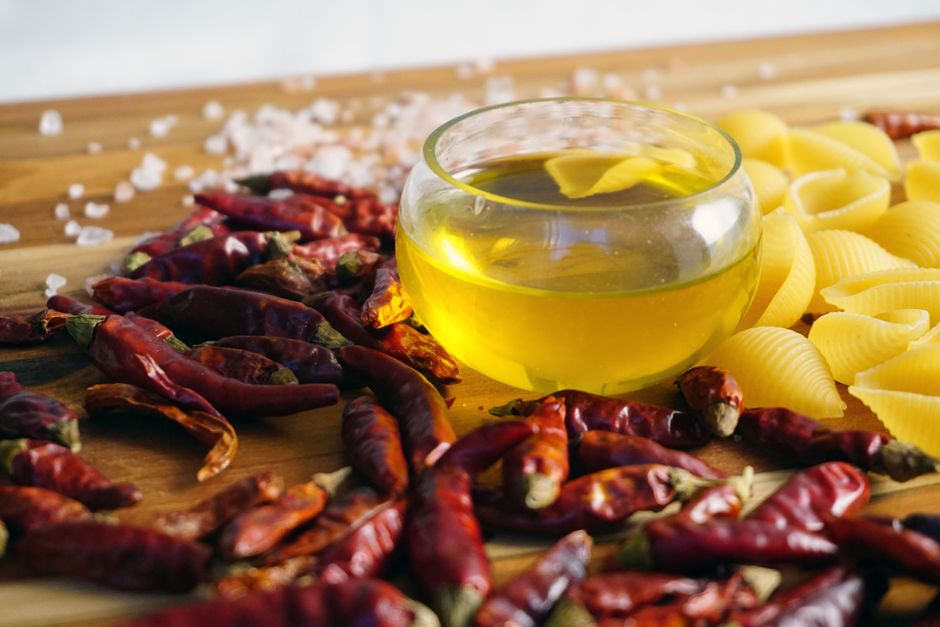
No, spicy food does not induce labor. There is no clinical evidence that eating hot peppers, curry, or any other spicy dish starts contractions or shortens pregnancy. The idea is a folk belief passed down through families, not a finding from medical research.
That answer surprises people because the advice is so common. Grandmothers swear by it. Friends share it. Restaurant servers joke about it. But when researchers have looked for a real connection between spicy meals and the onset of labor, they have not found one.
What follows is what we actually know about why this belief persists, what foods and methods people try, and which approaches have any evidence behind them at all.
Where Did the Idea That Spicy Food Induces Labor Come From?
The belief is old and widespread, appearing in many cultures with their own version of a “labor-inducing” meal. In the United States, it is often a plate of hot wings or a spicy curry. In other places, it might be a particular stew or a strong herbal tea.
The logic people use is simple. Spicy food can irritate the stomach and the intestines. It can cause cramping and loose stools. If your belly is cramping, the thinking goes, maybe your uterus will start cramping too.
That reasoning falls apart under a closer look. The uterus is a muscle with its own complex signaling system. It does not take instructions from your stomach. Digestive cramping and uterine contractions are controlled by different mechanisms, different hormones, and different nerve pathways.
There is one more reason the belief survives. Pregnancy has a natural end point, and labor eventually starts on its own. If a woman eats a spicy meal at 39 weeks and goes into labor the next day, the meal gets the credit. The timing was probably a coincidence. This is how most folk remedies earn their reputation.
What Does the Research Actually Show?
Research on this question is limited, and what exists does not support the idea.
Some studies have surveyed pregnant women about what they tried to start labor. Spicy food shows up on those lists, along with castor oil, long walks, and intercourse. But a survey of what people try is not evidence that any of it works. It only shows the belief is common.
Castor oil is the method that has been studied the most among these home approaches. Some research suggests it may sometimes be associated with the start of labor, but the evidence is not strong, and it comes with real side effects. Castor oil causes severe diarrhea and cramping. It can lead to dehydration. Clinicians generally do not recommend it, and it should never be used without talking to a doctor or midwife first.
For spicy food specifically, there is no comparable body of research pointing to a benefit. No clinical trial has shown that a spicy meal triggers labor. The evidence is not mixed. It is essentially absent.
One practical point is worth separating out. Spicy food does not harm a healthy pregnancy either. If you enjoy spicy food and it does not upset your stomach, there is no medical reason to avoid it. The issue is only with the claim that it starts labor.
Why Spicy Food Feels Like It Should Work
Spicy food creates a strong physical sensation, and that sensation can feel like something is happening.
The compound that gives chili peppers their heat is called capsaicin. It binds to pain receptors in your mouth and gut. Your body responds with sweating, a racing heart, and a flushed face. Your stomach may cramp. Your intestines may move faster.
None of this reaches the uterus in a way that would trigger labor. The uterus responds to its own set of signals — hormones like oxytocin, changes in the cervix, and mechanical pressure as the baby settles lower. A spicy burrito does not act on any of those.
There is a related myth worth clearing up. Some people believe spicy food can cause miscarriages or preterm labor. That is also not supported. For most pregnant women, spicy food is simply food. If it gives you heartburn, that is a separate issue and a common one in later pregnancy, since a growing uterus presses on the stomach.





What Actually Triggers Labor?
For most pregnancies, the precise trigger for labor is not fully understood. What is clear is that labor is a process driven by the baby, the placenta, and the uterus working together, not by anything you eat.
Several factors are known to be involved. As pregnancy reaches term, the uterus becomes more responsive to signals that cause contractions. The cervix begins to soften and change. Hormones shift. The baby’s position and the stretching of the uterus all play a role.
This is why no food reliably starts labor. You cannot eat your way into a process that is governed by the body’s own timing and signaling.
It is also why the “eat this and go into labor” stories keep circulating. The body was going to start labor on its own. The food just happened to be there first.
What Methods Have Actual Evidence Behind Them?
Most home methods for starting labor have weak or no evidence. A few approaches are used in medical settings, but they are done under supervision for specific reasons.
Here is a plain look at some commonly discussed options.
- Spicy food: No evidence it starts labor.
- Castor oil: Some studies suggest a possible link to labor starting, but side effects are significant and clinicians generally advise against it.
- Long walks and exercise: Often recommended, but the evidence that it shortens pregnancy is weak.
- Sexual intercourse: Sometimes suggested, based on the idea that semen contains compounds that can soften the cervix. The evidence is mixed and not strong.
- Nipple stimulation: This can release oxytocin, and some research suggests it may help ripen the cervix or start contractions. It is not a reliable method and should be discussed with a provider.
- Medical induction: When labor needs to be started for medical reasons, providers use methods such as medications, a Foley balloon, or breaking the water. These are done in a clinical setting for a clear reason.
The key distinction is between methods used by clinicians for a medical need and home remedies people try on their own. They are not the same thing, and they do not carry the same risks.
Is It Safe to Try Spicy Food to Start Labor?
For most pregnant women, eating spicy food is not dangerous. If you tolerate it well, it is not going to hurt you or your baby.
The bigger risk is what the belief can lead people to do. If you are past your due date and getting anxious, you might be tempted to try stronger methods like castor oil. That is where real problems can arise. Castor oil can cause dehydration and intense cramping, and it has not been shown to reliably start labor.
Talk to your doctor or midwife before trying anything meant to bring on labor. This matters most if you have any complications, if your pregnancy is not at term, or if you have had a prior cesarean delivery. Some methods carry risks in those situations that do not apply to a routine, healthy pregnancy.
If you are past your due date, the right move is a conversation with your provider, not a trip to the hot wing place. They can check on you and your baby and explain your options.
When Should You Call Your Provider?
Contact your doctor or midwife if you are past your due date and have questions about what comes next. They can assess you and your baby and talk through the options.
Call right away if you notice any of the following, regardless of how far along you are:
- Regular contractions that get stronger or closer together
- Fluid leaking or a gush of fluid from the vagina
- Vaginal bleeding
- Severe or constant abdominal pain
- A decrease in your baby’s movement
- Signs of infection, such as fever
These are reasons to get checked. They are not something to manage at home with a meal.
Frequently Asked Questions
Does spicy food induce labor?
No. There is no clinical evidence that spicy food starts labor or shortens pregnancy. The belief is a folk remedy, not a medical finding.
Can spicy food cause a miscarriage or preterm labor?
No. Spicy food has not been shown to cause miscarriage or preterm labor. If you enjoy it and it does not upset your stomach, there is no medical reason to avoid it during pregnancy.
What should I do if I am past my due date?
Talk to your doctor or midwife rather than trying home remedies. They can check you and your baby and explain your options for what comes next.
Is castor oil safe to start labor?
Castor oil is not generally recommended, because it causes severe diarrhea and cramping and can lead to dehydration. Some research suggests a possible link to labor starting, but the evidence is not strong.
