

When diarrhea hits, your digestive system needs a break, and the fastest way to help it recover is to eat bland, low-fiber foods that are easy to digest. The most reliable approach is the BRAT diet — bananas, rice, applesauce, and toast — which provides gentle nutrients while giving your gut a chance to settle. You should also focus on replacing lost fluids with water and electrolyte solutions, while avoiding dairy, greasy foods, and high-fiber vegetables until symptoms pass.
Why Does Food Matter When You Have Diarrhea?
Diarrhea happens when food and water move through your intestines too quickly. Your colon normally absorbs most of the water from digested food, but when that process speeds up, water and waste pass through before your body can reclaim the fluid. This is why dehydration is the biggest risk during a bout of diarrhea.
Certain foods slow this process down. Low-fiber foods like white rice and bananas are gentle on the intestinal lining. They do not irritate the gut the way spicy, fatty, or highly fibrous foods can. Fatty foods are especially problematic because they stimulate the gut to contract, which can make diarrhea worse.
What To Eat To Stop Diarrhea: The BRAT Diet Explained
The BRAT diet stands for bananas, rice, applesauce, and toast. These four foods have been recommended by doctors for decades because they are bland, low in fiber, and unlikely to trigger further digestive distress.
Bananas are a standout choice. They are easy to digest and provide potassium, an electrolyte that is often depleted during diarrhea. White rice is another solid option because it is low in fiber and helps bind stool. Applesauce offers pectin, a type of soluble fiber that can help firm up stool. Toast made from white bread is simple and gentle, provided you skip the butter and heavy spreads.
The BRAT diet is not meant for long-term use. It is low in protein, calories, and several essential nutrients. Most health experts recommend following it only for 24 to 48 hours, then slowly adding other bland foods back into your diet.
Other Foods That Help Settle an Upset Stomach
Beyond the BRAT foods, several other options can help you recover comfortably. These foods follow the same principle: bland, low in insoluble fiber, and easy on the stomach.
- Plain crackers like saltines are gentle and provide quick carbohydrates for energy.
- Boiled or baked potatoes without the skin are low in fiber and easy to digest. The skin is high in insoluble fiber and should be removed.
- Clear broths such as chicken or vegetable broth help replace fluids and sodium without stressing the gut.
- Plain oatmeal made with water, not milk, can be soothing for some people.
- Well-cooked carrots or other soft, peeled vegetables are easier on the system than raw ones.
- Plain chicken or turkey that is baked or grilled without added fat provides protein to help you regain strength.
Eat small portions throughout the day rather than large meals. A smaller meal puts less pressure on your digestive tract and gives it a better chance to process food slowly.


What To Drink When You Have Diarrhea
Replacing lost fluids is the most urgent part of managing diarrhea. Water is essential, but it does not replace the electrolytes — sodium, potassium, and chloride — that your body loses through loose stools.
Oral rehydration solutions are the gold standard for this purpose. These are available at most pharmacies and contain a precise balance of water, salts, and sugar that helps your intestines absorb fluid more effectively. Sports drinks can help in a pinch, but they often contain too much sugar and not enough electrolytes to be ideal.
Clear liquids like water, broth, and weak tea are good choices. Sucking on ice chips can help if you cannot keep fluids down. Avoid caffeine and alcohol, as both can dehydrate you further. Avoid fruit juices with high sugar content, especially apple, pear, and cherry juice, because the sugar can pull more water into the intestines and make diarrhea worse.
Foods To Avoid Until Diarrhea Stops
Knowing what to avoid is just as important as knowing what to eat. Some foods actively worsen diarrhea by stimulating the gut or drawing water into the intestines.
Dairy products are a common culprit. Many people temporarily lose the ability to digest lactose during or after a bout of diarrhea. Even if you are not normally lactose intolerant, milk, cheese, and ice cream can make symptoms worse. Yogurt with live cultures is sometimes an exception, but it is safest to avoid all dairy until you recover.
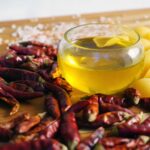
Greasy and fried foods are hard to digest and can trigger intestinal contractions. This includes fast food, fatty cuts of meat, and foods cooked in heavy oils. Spicy foods containing chili peppers or hot sauces can irritate an already inflamed digestive tract.
High-fiber foods like raw vegetables, whole grains, nuts, and seeds can be too rough for a sensitive gut. Insoluble fiber — the kind found in wheat bran and many raw vegetables — adds bulk that can push food through your system faster. Artificial sweeteners such as sorbitol and mannitol, often found in sugar-free gum and candies, are known to cause diarrhea in some people even when they are healthy.
Sugar alcohols and sugary foods can draw water into the intestine through osmosis, which worsens loose stools. This includes candy, soda, and heavily sweetened desserts.
When To See a Doctor About Diarrhea
Most cases of diarrhea resolve on their own within a few days without medical treatment. But some situations require professional care. You should see a doctor if diarrhea lasts more than two days for an adult, or more than 24 hours for a child.
Seek immediate medical attention if you experience any of the following signs:
- Signs of severe dehydration, including extreme thirst, dry mouth, dark urine, or dizziness when standing
- Blood or black, tarry stool
- High fever above 102°F (38.9°C)
- Severe abdominal or rectal pain
- Diarrhea that occurs in a person with a weakened immune system
- Diarrhea that develops after returning from a country with poor sanitation
Infants, older adults, and people with chronic health conditions are at higher risk for complications from diarrhea. If you are pregnant and develop diarrhea that lasts more than 24 hours, contact your healthcare provider.
Does the BRAT Diet Still Have Scientific Support?
The BRAT diet has been a standard medical recommendation for generations, but some pediatric and gastroenterology organizations have moved away from recommending it as the sole treatment. The main criticism is that it is too restrictive and lacks the protein and nutrients needed for recovery, especially in children.
That said, the individual foods in the BRAT diet are still considered appropriate for acute diarrhea. Bananas provide potassium, and white rice and toast are bland, low-fiber starches that are easy to tolerate. The current guidance from many health experts is to eat a normal, bland diet as soon as you feel able, rather than limiting yourself strictly to four foods.
What has not changed is the advice to avoid fatty, spicy, and highly processed foods during recovery. The scientific basis for eating bland, low-fiber foods during acute diarrhea remains sound. The shift is toward adding protein and other nutrients back sooner than the traditional BRAT approach allowed.
Probiotics and Diarrhea Recovery
Probiotics are live bacteria that may help restore the natural balance of your gut microbiome. Diarrhea can disrupt this balance, especially if it was caused by antibiotics or an intestinal infection.
Some research suggests that certain probiotic strains, particularly Lactobacillus rhamnosus GG and Saccharomyces boulardii, may shorten the duration of diarrhea by about one day. The evidence is strongest for diarrhea caused by antibiotics and for infectious diarrhea in children. However, results vary between studies, and probiotics are not a replacement for fluid replacement or a bland diet.
If you choose to take a probiotic during diarrhea recovery, look for a product that names the specific strains it contains. Yogurt with live active cultures is a food-based option, but remember that dairy can be problematic for some people during diarrhea. No large clinical trial has confirmed that any single probiotic product reliably stops diarrhea, so treat these supplements as a possible aid, not a cure.
How Long Does Diarrhea Usually Last?
Acute diarrhea typically lasts one to three days. Most viral infections that cause diarrhea resolve within this window without any specific treatment beyond fluid replacement and dietary adjustments.
If diarrhea persists beyond two weeks, it is classified as chronic and requires medical evaluation. Persistent diarrhea can signal an underlying condition such as irritable bowel syndrome, inflammatory bowel disease, celiac disease, or a parasitic infection. Do not attempt to manage chronic diarrhea with diet alone — this needs a proper medical diagnosis.
The speed of your recovery depends largely on the cause. Food poisoning from bacteria often resolves within 24 to 48 hours. Viral gastroenteritis — sometimes called the stomach flu — typically lasts two to three days. If your diarrhea is caused by medication, particularly antibiotics, it may last as long as you are taking the drug.
Frequently Asked Questions
Can I eat eggs when I have diarrhea?
Yes, plain scrambled or boiled eggs are generally safe to eat during diarrhea. Avoid frying them in butter or oil, as the added fat can make symptoms worse.
Is yogurt good for diarrhea?
Yogurt with live active cultures may help some people because it contains probiotics, but dairy can be hard to digest during diarrhea. If you try yogurt, choose plain varieties without added sugar and start with a small amount.
How much water should I drink with diarrhea?
Drink small amounts of fluid frequently throughout the day — aim for at least one cup of liquid after each loose stool. Oral rehydration solutions are more effective than plain water for replacing lost electrolytes.
Can I take over-the-counter medicine to stop diarrhea?
Medicines like loperamide (Imodium) can reduce the frequency of stools, but they should not be used if you have a fever or blood in your stool, as these can be signs of a bacterial infection. Check with a pharmacist or doctor before using them.
