
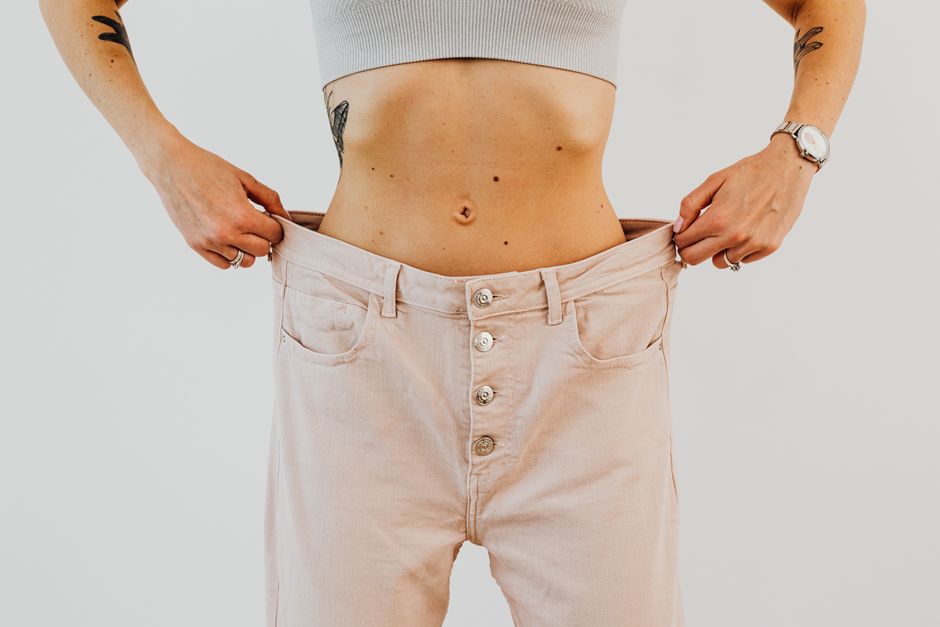
Losing weight while breastfeeding is possible, but the approach matters. Your body needs extra nutrients to produce milk. The safest strategy is to eat nutrient-dense foods, maintain a modest calorie deficit, and lose weight slowly. Prioritize protein, fiber, and healthy fats. Avoid crash diets and extreme restrictions.
How Many Calories Do You Need While Breastfeeding?
Breastfeeding burns extra calories — typically 300 to 500 calories per day. That means you can lose weight without cutting your food intake drastically. Most women need at least 1,800 calories daily while breastfeeding. Dropping below that can reduce milk supply and leave you feeling drained.
Weight loss of about one pound per week is generally considered safe while nursing. This happens with a daily calorie deficit of 300 to 500 calories. Because you are already burning extra calories from milk production, you may not need to reduce your food intake at all. Simply focusing on quality foods instead of processed ones often creates enough of a deficit naturally.
What Foods Support Milk Supply and Weight Loss?
Certain foods help both milk production and weight loss. These are foods packed with nutrients that keep you full and support your energy needs.
- Lean protein — Chicken, turkey, fish, eggs, tofu, and legumes. Protein helps you feel satisfied and maintains muscle mass while losing fat.
- Whole grains — Oatmeal, quinoa, brown rice, and whole wheat bread. Oats are often recommended for milk supply because of their iron and fiber content.
- Vegetables and fruits — Leafy greens, broccoli, berries, and oranges. They provide vitamins, minerals, and fiber with few calories.
- Healthy fats — Avocado, nuts, seeds, and olive oil. Fat is important for your baby’s brain development and helps you absorb certain vitamins.
- Dairy or dairy alternatives — Yogurt, milk, or fortified plant milks provide calcium and protein.
Eating a variety of these foods helps you meet your nutrient needs without excess calories. It also supports your milk supply because many of these nutrients are used in breast milk production.
Should You Count Calories or Focus on Food Quality?
You do not need to count every calorie. Many women succeed by simply replacing processed snacks with whole foods. A handful of almonds fills you up more than a bag of crackers with similar calories. Swapping sugary drinks for water or herbal tea cuts empty calories without effort.
If you want structure, tracking food for a few days can raise awareness. But strict counting while breastfeeding can be stressful and unnecessary. Most experts agree that eating when you are hungry and stopping when you are full works well. Your body knows what it needs to produce milk. Trust hunger cues, but choose real food over packaged options when possible.
Can Intermittent Fasting or Keto Work While Breastfeeding?
The evidence does not support intermittent fasting or the keto diet during breastfeeding. These eating patterns restrict calories or carbohydrates too much. They can lead to dehydration, nutrient deficiencies, and reduced milk supply.
Intermittent fasting, for example, means going long hours without food. That can cause blood sugar swings and leave you too low on energy to care for your baby. Keto is very low in carbohydrates, which are a main fuel source for breastfeeding mothers. Some research suggests low-carb diets may affect breast milk composition. Until more studies are done, these popular diets are not recommended while nursing.
How Fast Can You Safely Lose Weight While Breastfeeding?
A safe rate is about one to one and a half pounds per week. More than that can indicate you are cutting too many calories or losing water weight. Rapid weight loss releases stored toxins, which can enter your breast milk. While this is rarely a problem at moderate rates, losing weight quickly is not worth the risk to your baby.
Most women find that weight loss happens fastest after the first six to eight weeks postpartum. That is when milk supply is established and your body has adjusted to nursing. Be patient if the scale does not move for a few weeks. Sleep, stress, and hormones all influence weight. Focus on how you feel and what you eat, not just the number.
What About Supplements or Detox Teas?
No clinical evidence supports the use of weight-loss supplements or detox teas while breastfeeding. Most of these products are not tested for safety in nursing mothers. Some contain herbs or stimulants that can pass into breast milk and affect your baby.
Green tea extract, for example, contains caffeine and other compounds that may not be safe in large doses during lactation. Detox teas often have laxative herbs that can cause dehydration and electrolyte imbalances. The safest approach is to skip these products entirely. Focus instead on real food, water, and gentle movement.
What Does a Sample Day of Eating Look Like?
Here is an example of how a day of eating could look while aiming for steady weight loss. This is not a meal plan, just a snapshot of food patterns that work for many women.
- Breakfast: Oatmeal with berries, chopped almonds, and a glass of milk.
- Lunch: Large salad with grilled chicken, avocado, tomatoes, cucumbers, and olive oil dressing.
- Snack: Apple slices with peanut butter or a small yogurt.
- Dinner: Baked salmon with roasted sweet potatoes and steamed broccoli.
- Evening snack: A handful of walnuts or a banana.
This pattern provides protein, fiber, healthy fats, and plenty of volume. It keeps you full between meals and gives you the nutrients you need for breastfeeding. Adjust portion sizes based on hunger. Drink water throughout the day — aim for when you are thirsty, which usually means around eight to ten cups.
What Role Does Hydration Play?
Staying hydrated directly affects your milk supply and your ability to lose weight. When you are dehydrated, your body holds on to water, which can make the scale go up. Drinking enough water helps your metabolism run efficiently and keeps you from mistaking thirst for hunger.
A good rule of thumb is to drink when you are thirsty. Breastfeeding can make you thirstier than usual, so keep a water bottle nearby. Herbal teas, sparkling water, and even watery foods like cucumber and melon count toward your fluid intake. Avoid sugary drinks — they add calories without nutrition.
Frequently Asked Questions
Can I lose weight while breastfeeding without affecting my milk supply?
Yes, if you lose slowly and eat enough calories. Aim for about one pound per week and do not restrict food groups.
How many calories should I eat to lose weight while breastfeeding?
Most women need at least 1,800 calories per day while breastfeeding. A mild deficit of 300 to 500 calories is safe but consult your doctor for your specific needs.
What foods should I avoid when trying to lose weight while breastfeeding?
Limit processed snacks, sugary drinks, and fried foods. These provide empty calories and little nutrition for you or your baby.
How much water should I drink while breastfeeding for weight loss?
Drink when you are thirsty — typically eight to ten cups per day. Water supports metabolism and milk production.
