
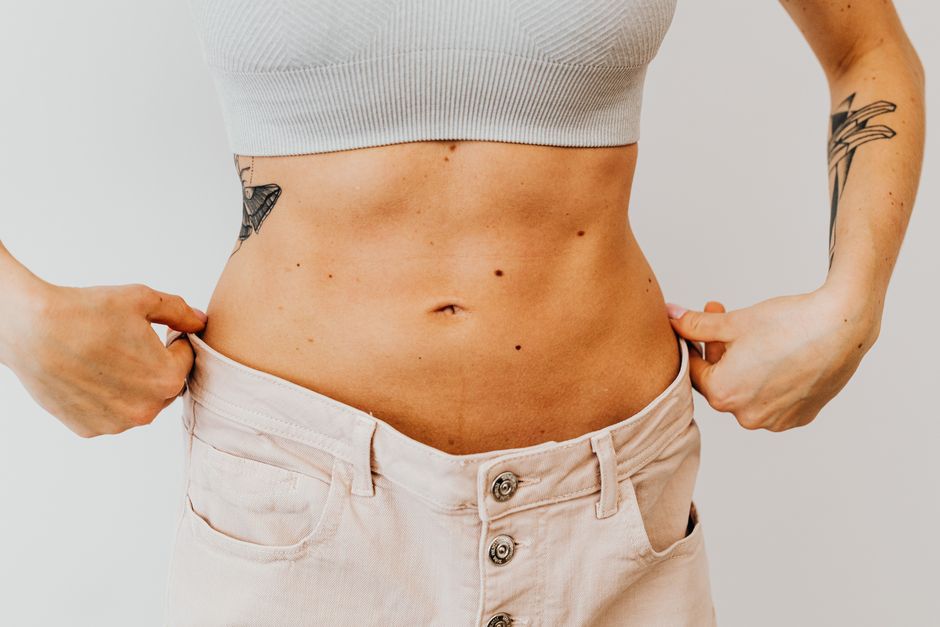
Losing stomach fat is not about eating one specific food. It is about changing your overall eating pattern. Research shows that no single meal or ingredient targets belly fat directly. But some foods help your body burn fat more effectively while others reduce the bloating that makes your stomach look bigger. The real key is eating foods that lower insulin levels, reduce inflammation, and help you feel full on fewer calories.
What Causes Stomach Fat in the First Place?
Stomach fat is not the same as the fat under your skin. Visceral fat sits deep inside your abdomen around your organs. It is more dangerous than the fat you can pinch. The CDC reports that excess visceral fat raises your risk for heart disease, type 2 diabetes, and certain cancers.
Hormones play a big role. High insulin levels tell your body to store fat around your middle. Cortisol, the stress hormone, also encourages belly fat storage. This is why stress and poor sleep are linked to bigger waistlines. Genetics matter too. Some people store fat in their stomach first regardless of what they eat.
Age is another factor. As you get older, your metabolism slows down. Muscle mass decreases. Fat redistribution happens. Women after menopause often see more belly fat because estrogen levels drop. This is normal but it does not mean you cannot manage it.
What Does Research Say About What To Eat To Lose Stomach Fat?
Studies have found that certain foods help reduce visceral fat more than others. A 2018 study published in the Journal of Nutrition found that people who ate more soluble fiber had less belly fat over five years. Soluble fiber absorbs water and forms a gel that slows digestion. This helps you feel full longer and reduces calorie intake naturally.
Protein is another key player. Research published in the American Journal of Clinical Nutrition showed that higher protein intake preserved muscle mass during weight loss. More muscle means a higher resting metabolism. Protein also reduces cravings and keeps blood sugar stable. Good sources include eggs, lean chicken, fish, beans, and Greek yogurt.
Healthy fats matter too. A study in the journal Diabetes Care found that a diet rich in monounsaturated fats from sources like olive oil, avocados, and nuts helped prevent belly fat accumulation. These fats improve insulin sensitivity. When your cells respond better to insulin, your body stores less fat in your abdomen.
Which Foods Should You Eat More Of?
Whole foods that are high in fiber and protein should be your foundation. Vegetables like broccoli, spinach, kale, and bell peppers are low in calories and high in nutrients. They fill your stomach without adding many calories. Fruits like berries, apples, and pears provide fiber and antioxidants that fight inflammation.
- Leafy greens and cruciferous vegetables
- Berries and apples with skin on
- Lean proteins like chicken breast, fish, and tofu
- Legumes such as lentils, chickpeas, and black beans
- Whole grains like oats, quinoa, and brown rice
- Healthy fats from avocados, nuts, seeds, and olive oil
- Fermented foods like yogurt, kefir, and sauerkraut for gut health
Gut health is an underrated factor. Some studies suggest that an imbalance in gut bacteria can promote fat storage. Fermented foods and high-fiber plants feed good bacteria. A healthier gut microbiome is linked to lower body weight and less belly fat.
Green tea is often mentioned for belly fat. Some studies suggest the catechins in green tea may increase fat burning slightly. But the effect is small. Drinking green tea instead of sugary drinks is a better reason to include it. The calorie swap matters more than the tea itself.





What Foods Should You Limit or Avoid?
Cutting certain foods is just as important as adding healthy ones. Refined carbohydrates spike blood sugar and insulin. White bread, pasta made from white flour, sugary cereals, and pastries all cause insulin surges. High insulin tells your body to store fat, especially in your belly.
Sugary drinks are one of the worst offenders. A study in the journal Circulation found that people who drank sugary beverages daily had a 27% higher risk of developing excess belly fat. Liquid sugar does not trigger the same fullness signals as solid food. You can drink hundreds of calories without feeling less hungry.
Trans fats are another problem. They are found in many processed foods like crackers, baked goods, and fried items. Trans fats increase inflammation and promote visceral fat storage. The FDA has banned artificial trans fats in the US, but small amounts can still be in some products. Check ingredient lists for partially hydrogenated oils.
Alcohol affects belly fat too. Your body prioritizes burning alcohol over fat. When you drink, fat burning pauses. Heavy drinking is linked to bigger waistlines. Moderate intake may not cause problems for everyone, but it can stall progress.
Does Meal Timing Matter for Stomach Fat?
Some people claim that eating at certain times of day targets belly fat. The evidence does not support that. A 2020 review in the journal Nutrients found that time-restricted eating helped people eat fewer calories overall. But it did not specifically reduce belly fat more than regular calorie restriction.
What matters more is what you eat and how much. Eating a large dinner late at night may lead to poor sleep and higher cortisol the next day. Poor sleep is linked to more belly fat. So meal timing might help indirectly by improving sleep quality.
Breakfast is not mandatory for everyone. Some people do well with intermittent fasting. Others need breakfast to avoid overeating later. There is no universal rule. Find what keeps your energy stable and your calorie intake in check.
What Does a Typical Day of Eating Look Like?
A sample day can show how these principles come together. For breakfast, try oatmeal with berries and a tablespoon of chia seeds. The fiber keeps you full for hours. Lunch could be a large salad with grilled chicken, avocado, olive oil dressing, and a side of lentils.
For dinner, baked salmon with roasted broccoli and quinoa works well. Salmon provides omega-3 fatty acids that reduce inflammation. Research suggests omega-3s may help lower visceral fat. Snacks can include an apple with almond butter or Greek yogurt with a handful of walnuts.
Portion sizes still matter. Even healthy foods can cause weight gain if you eat too much. Nuts are nutritious but calorie-dense. A serving is about a small handful, not a full bowl. Vegetables are the one food you can eat in large amounts without worry.
| Food Type | Good Choices | Why It Helps |
|---|---|---|
| Vegetables | Broccoli, spinach, kale, peppers | Low calorie, high fiber, anti-inflammatory |
| Fruits | Berries, apples, pears | Fiber and antioxidants |
| Proteins | Chicken, fish, eggs, tofu | Preserves muscle, reduces cravings |
| Whole grains | Oats, quinoa, brown rice | Sustained energy, fiber |
| Healthy fats | Avocado, nuts, olive oil | Improves insulin sensitivity |
What Are Common Misconceptions About Belly Fat?
Spot reduction is a myth. You cannot lose fat from one area by doing exercises for that area. Crunches will strengthen your abdominal muscles but will not remove the fat covering them. Your body decides where to lose fat based on genetics and hormones.
Detox teas and cleanses do not work for lasting fat loss. They cause temporary water weight loss. The weight comes back as soon as you eat normally. Some detox products contain laxatives that can harm your gut health. The FDA does not regulate these products for safety or effectiveness.
Low-fat diets are not the answer either. Many low-fat processed foods replace fat with sugar. This can increase belly fat. Healthy fats are important for hormone function and feeling satisfied. Avoid the low-fat trap and focus on whole foods instead.
Eating late at night does not automatically cause belly fat. Total calories for the day matter more than the time you eat. But late-night eating often leads to poor food choices like chips or ice cream. If you eat a balanced meal at 9pm, it is not a problem. If you snack mindlessly while watching TV, that is different.
Frequently Asked Questions
Can eating certain foods target belly fat specifically?
No food targets belly fat directly. Fat loss happens evenly across your body. Eating more fiber and protein helps reduce overall body fat including belly fat.
How much protein should I eat to lose stomach fat?
Aim for about 20 to 30 grams of protein per meal. This helps preserve muscle and keeps you full. Good sources include eggs, chicken, fish, and Greek yogurt.
Are there any foods that burn belly fat while you sleep?
No food burns fat while you sleep. Your body burns calories at rest based on your metabolism. Eating a light dinner with protein and vegetables may support better sleep and fat burning.
Does drinking water help reduce stomach fat?
Water helps with weight loss by replacing sugary drinks and keeping you full. It does not directly burn fat. Staying hydrated supports metabolism and reduces bloating.
