
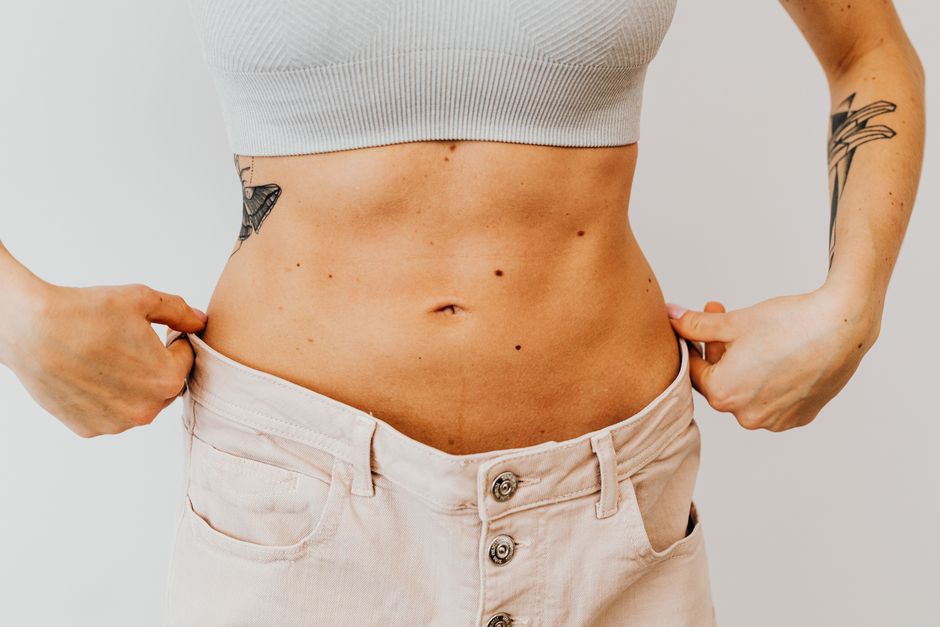
Menopause changes where your body stores fat, and the belly is often the first place you notice it. This shift is tied to falling estrogen levels, which alter how your body processes energy and where it deposits fat. You can lose stomach fat after menopause, but the approach that worked in your 30s may not work now. The most effective strategy combines strength training, protein-focused eating, and realistic expectations about how fast the weight can come off.
Why Does Menopause Cause Belly Fat?
Estrogen does more than regulate reproduction. It also influences metabolism, appetite, and fat storage. When estrogen levels drop during perimenopause and menopause, your body tends to store more fat in the abdominal area rather than the hips and thighs.
This is not just about calories. Research consistently shows that hormonal changes during menopause increase visceral fat — the fat that wraps around your internal organs. Visceral fat is more metabolically active than subcutaneous fat, which is the fat just under the skin. It is also more strongly linked to heart disease and type 2 diabetes.
Another factor is insulin resistance. As estrogen declines, many women become less sensitive to insulin. That means the body needs more insulin to move sugar out of the bloodstream, and higher insulin levels promote fat storage, especially around the middle.
Sleep also plays a role. Night sweats and hot flashes disrupt sleep, and poor sleep is linked to higher levels of cortisol, a stress hormone that encourages abdominal fat storage. This is a cycle: menopause disrupts sleep, sleep disruption raises cortisol, and cortisol promotes belly fat.
What Actually Works to Lose Stomach Fat After Menopause?
Spot reduction is a myth. You cannot target fat loss to one area of your body. When you lose fat, you lose it from everywhere, and genetics determine the order. For many women, the belly is the last place fat leaves.
That said, certain strategies are more effective than others for reducing abdominal fat during and after menopause.
Strength training is the single most important exercise for menopausal belly fat. Muscle tissue burns more calories at rest than fat tissue. As you age, you naturally lose muscle mass unless you actively work to preserve it. Strength training builds and maintains muscle, which raises your resting metabolic rate and improves insulin sensitivity.
Cardiovascular exercise matters too, but it should not be your only strategy. High-intensity interval training, or HIIT, has been shown in some studies to reduce visceral fat more effectively than steady-state cardio. If you are new to exercise, start with brisk walking and gradually add intervals.
Protein intake becomes more important after menopause. Older adults need more protein to maintain muscle, and protein also helps with fullness. Aim to include a source of protein at every meal. Good options include eggs, Greek yogurt, chicken, fish, beans, and tofu.
Fiber is another key player. Soluble fiber, found in oats, apples, carrots, and beans, helps control blood sugar and keeps you full. Some research suggests higher fiber intake is associated with less visceral fat.
How Much Exercise Do You Really Need?
Most guidelines recommend at least 150 minutes of moderate-intensity aerobic activity per week, plus two or more days of strength training. That is a solid baseline for general health.
For fat loss specifically, you may need more. Some research suggests that losing weight and keeping it off requires 200 to 300 minutes of exercise per week. That is roughly 30 to 45 minutes most days of the week.
The type of strength training matters. Focus on compound movements that work multiple muscle groups at once. Squats, lunges, push-ups, rows, and deadlifts are more effective than isolated exercises like bicep curls. These movements burn more calories and build more functional muscle.
If you have not done strength training before, start with bodyweight exercises. You do not need a gym membership to begin. Once bodyweight exercises feel easy, add resistance bands or dumbbells.
Consistency beats intensity. A moderate workout you do three times a week for a year will produce better results than an intense program you quit after a month.





Does Diet Matter More Than Exercise?
For fat loss, diet generally matters more than exercise. You cannot out-exercise a poor diet. This is true at any age, but it becomes more pronounced after menopause because your resting metabolic rate declines with muscle loss.
A calorie deficit is required for fat loss. You need to consume fewer calories than your body burns. But the quality of those calories matters for how you feel and how sustainable the deficit is.
Ultra-processed foods are worth limiting. These foods are designed to be hyper-palatable, meaning they are easy to overeat. They also tend to be low in protein and fiber, which are the two nutrients that help you feel full.
Sugar-sweetened beverages are a common hidden source of calories. Liquid calories do not trigger the same fullness signals as solid food. Swapping soda or sweetened coffee drinks for water or unsweetened tea can reduce your daily calorie intake without much effort.
Alcohol is another consideration. Alcohol is calorie-dense, and it can lower inhibitions around food choices. Some research also suggests that alcohol consumption is associated with higher levels of abdominal fat, particularly in women.
No single food causes belly fat, and no single food eliminates it. A pattern of eating that is high in protein, high in fiber, and moderate in calories is the most evidence-based approach.
What About Hormone Replacement Therapy?
Hormone replacement therapy, or HRT, is sometimes discussed in the context of menopausal weight gain. The evidence here is more nuanced than many online sources suggest.
HRT does not cause weight gain in most women, and some research suggests it may help prevent the shift toward abdominal fat storage. However, HRT is not a weight loss medication. It is prescribed primarily to manage menopausal symptoms like hot flashes, night sweats, and vaginal dryness.
The decision to use HRT involves balancing benefits and risks. It is highly effective for symptom relief, and for many women under 60, the benefits outweigh the risks. But HRT is not appropriate for everyone. Women with a history of certain cancers or blood clots may not be candidates.
If you are considering HRT, this is a conversation to have with your healthcare provider. It is not something to start based on online advice alone. Your provider can help you weigh your personal risk factors and decide whether HRT is a reasonable option for you.
How Long Does It Take to See Results?
This is where many women get discouraged. In your 20s and 30s, weight loss might show up within a few weeks. After menopause, the timeline is often longer.
A realistic expectation is 1 to 2 pounds of fat loss per week. That might not sound like much, but it is sustainable. Faster weight loss often comes from muscle loss and water loss, not fat loss.
You may notice changes in how your clothes fit before you see changes on the scale. Muscle is denser than fat, so as you build muscle and lose fat, your measurements may change even if your weight stays the same.
Take measurements around your waist once a month. A tape measure is a better tool than a scale for tracking abdominal fat changes. A reduction in waist circumference is a meaningful sign that visceral fat is decreasing.
Stress management and sleep are not optional extras. Chronic stress keeps cortisol levels elevated, and elevated cortisol promotes abdominal fat storage. Prioritizing sleep and finding ways to manage stress are legitimate components of a belly fat reduction plan.
Frequently Asked Questions
Why is it harder to lose belly fat after menopause?
Falling estrogen levels change how your body stores fat, shifting it toward the abdomen and increasing insulin resistance. Muscle mass also declines with age, which lowers your resting metabolic rate.
Can you lose stomach fat after menopause without surgery?
Yes, fat loss through diet and exercise is possible after menopause, but it is slower than in younger years. Strength training, a protein-rich diet, and a moderate calorie deficit are the most evidence-based approaches.
Does walking help reduce belly fat after menopause?
Walking helps with overall calorie expenditure and cardiovascular health, but it is not the most efficient way to reduce abdominal fat. Adding strength training and higher-intensity intervals will produce better results.
Is intermittent fasting effective for menopausal belly fat?
Some research suggests intermittent fasting can help with weight loss, but the evidence for it being superior to standard calorie restriction is mixed. The best approach is the one you can sustain consistently over time.
