
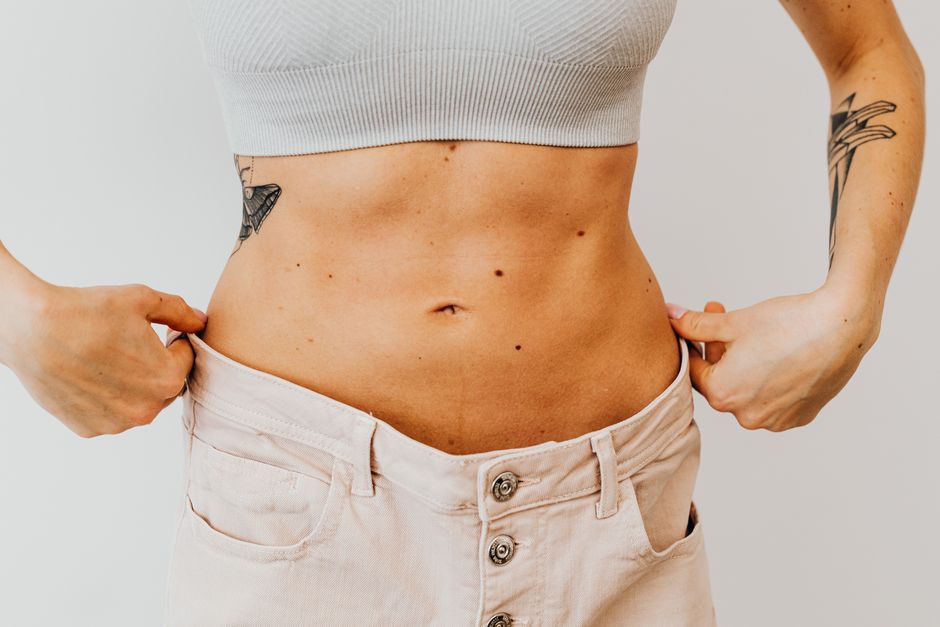
No food burns belly fat, and no diet can remove a meaningful amount of fat in seven days. What a well-planned week of eating can do is reduce water retention, calm bloating, and empty the digestive tract — changes that can visibly flatten your stomach on the scale and in the mirror. The fat itself shifts slowly. Most adults can lose roughly 1 to 2 pounds of fat per week at a safe calorie deficit, and where that fat comes from is not something any food can direct.
That gap between what a week can realistically change and what people hope it will change is worth understanding before you plan a single meal.
What To Eat To Lose Belly Fat In 1 Week?
Build the week around protein, vegetables, whole grains, legumes, and water. These foods are filling, low in added sugar, and low in sodium — the three levers that most affect how flat your stomach looks in the short term.
A practical day might look like eggs or Greek yogurt with fruit in the morning, a large salad with beans or grilled chicken at lunch, and fish or tofu with roasted vegetables and a modest portion of brown rice or quinoa at dinner. Snacks come from fruit, nuts, or plain yogurt. Drinks are mostly water.
What this pattern does is straightforward. Protein and fiber slow digestion and keep you full, which makes a calorie deficit easier to hold. Cutting added sugar and refined starch reduces the blood sugar swings that drive cravings. Reducing sodium lowers the water your body holds between and around cells. None of that melts fat. All of it changes what you see in the mirror within days.
Weight loss that lasts depends on a calorie deficit you can maintain. The composition of that diet matters for health and for how you feel, but the deficit is what drives fat loss. A week of perfect eating does not override months of eating past your needs.
Why Does Your Stomach Look Flatter Before Fat Actually Leaves?
Most of the visible change in week one is water and digestive contents, not fat. The human gut can hold several pounds of food, fluid, and gas at any given time. Change what goes in and the volume changes with it.
Three things drive this:
- Water retention. High-sodium meals and refined carbohydrates cause the body to hold extra fluid. Cut both and that fluid leaves, often within days.
- Gut contents. A diet lower in total food volume and higher in fiber changes how much material sits in the digestive tract at once.
- Bloating. Gas from carbonated drinks, very large meals, or certain fermentable fibers can distend the abdomen. Remove the trigger and the distension eases.
This is why the scale can drop several pounds in the first week of any diet and then slow sharply. The early drop is mostly not fat. Anyone who tells you otherwise is selling something.
One clarification worth making: belly fat is not one thing. The fat you can pinch under the skin is subcutaneous fat. The fat stored deeper, around the organs, is visceral fat. Visceral fat is the type more strongly linked to metabolic and cardiovascular risk. It also tends to respond to sustained calorie deficit and exercise, not to any single food.
Which Foods Help Most With Belly Fat Over Time?
No food targets belly fat specifically. What the evidence supports is that certain dietary patterns are linked to less visceral fat accumulation over months and years.
Research on Mediterranean-style eating has consistently found associations with lower central fat and better metabolic markers. Diets high in refined carbohydrates and added sugar show the opposite pattern. The difference is not one ingredient. It is the overall pattern.
Foods that tend to appear in the favorable patterns:
- Vegetables and fruit, especially those high in fiber
- Legumes such as beans, lentils, and chickpeas
- Whole grains like oats, barley, and quinoa
- Fish, poultry, eggs, and dairy in moderate amounts
- Nuts and olive oil in place of processed fats
Protein deserves specific mention. Higher protein intake helps preserve muscle during weight loss and increases satiety, which makes a calorie deficit more tolerable. That is well established. It does not, however, preferentially burn belly fat.
Fiber matters too. Most adults in the US eat well below recommended fiber intake. Higher fiber intake is associated with lower body weight and better appetite control in observational studies. The mechanism is partly mechanical fullness and partly slower glucose absorption.





What Should You Cut Out for a Flatter Stomach?
The biggest short-term wins come from cutting sodium, added sugar, refined starch, and alcohol. These are the inputs most tied to water retention and bloating.
Sodium is the fastest lever. The Dietary Guidelines for Americans recommend keeping sodium under 2,300 mg per day for most adults. Most people eat considerably more, largely from packaged and restaurant food. Dropping sodium intake for a few days often produces visible change in the face, hands, and abdomen.
Added sugar and refined grains drive insulin and appetite in ways that make overeating more likely. They also tend to be paired with sodium in processed foods. Cutting them reduces both problems at once.
Alcohol is worth calling out separately. It adds calories, disrupts sleep, and is associated with higher abdominal fat in observational studies. A week without it is one of the more reliable ways to see a difference.
Carbonated drinks, chewing gum, and very large portions of certain high-fiber foods can worsen bloating in some people. This varies by individual. If a specific food consistently makes you feel distended, that is data worth acting on.
Does Cutting Carbs or Fasting Work Faster?
Low-carb diets often produce faster early weight loss on the scale, but most of that initial drop is water. Each gram of stored carbohydrate holds roughly three grams of water. Deplete the carbohydrate stores and the water goes with it.
Over weeks and months, low-carb and low-fat diets produce similar fat loss when calories and protein are matched. This has been shown in multiple controlled trials. The diet that works is largely the one a person can stay on.
Intermittent fasting shows a similar pattern. It can help some people eat less overall, but it does not appear to produce meaningfully more fat loss than standard calorie restriction when total intake is equal. The evidence here is mixed but leans toward equivalence.
None of these approaches changes the fundamental arithmetic. Fat loss requires a sustained calorie deficit. A week is long enough to see water and bloating changes. It is not long enough to see much fat loss.
What Else Matters Besides Food?
Sleep and stress affect belly fat more than most people expect. Short sleep is associated with higher appetite, worse food choices, and greater abdominal fat accumulation over time. Chronic stress raises cortisol, which is linked to where the body stores fat.
Physical activity matters too, but not in the way most people assume. You cannot out-train a poor diet, and spot reduction — doing crunches to lose belly fat — does not work. What exercise does is preserve muscle during weight loss and improve how the body handles glucose. Both matter for long-term results.
Water intake helps with satiety and, if you replace sugary drinks with it, cuts calories directly. There is no evidence that any specific amount of water flattens the stomach beyond reducing mild dehydration-related bloating.
One honest note about timeline. A week is a reasonable window to feel less bloated and see a modest change in how your clothes fit. It is not a reasonable window to lose meaningful belly fat. Anyone promising otherwise is describing water loss and calling it fat loss.
Frequently Asked Questions
Can you actually lose belly fat in one week?
You can lose water weight and reduce bloating in a week, which can visibly flatten the stomach. You cannot lose a meaningful amount of actual fat in seven days at a safe rate.
What foods should I avoid to lose belly fat fast?
Cut back on high-sodium packaged foods, added sugar, refined grains, and alcohol. These are the inputs most linked to water retention and bloating in the short term.
Does drinking more water help lose belly fat?
Water supports satiety and helps if it replaces sugary drinks, but it does not directly burn fat. Staying hydrated can reduce mild bloating caused by dehydration.
Is it better to cut carbs or fat for belly fat?
When calories and protein are matched, low-carb and low-fat diets produce similar fat loss over time. Low-carb often shows faster early scale drops because of water loss, not fat loss.
