
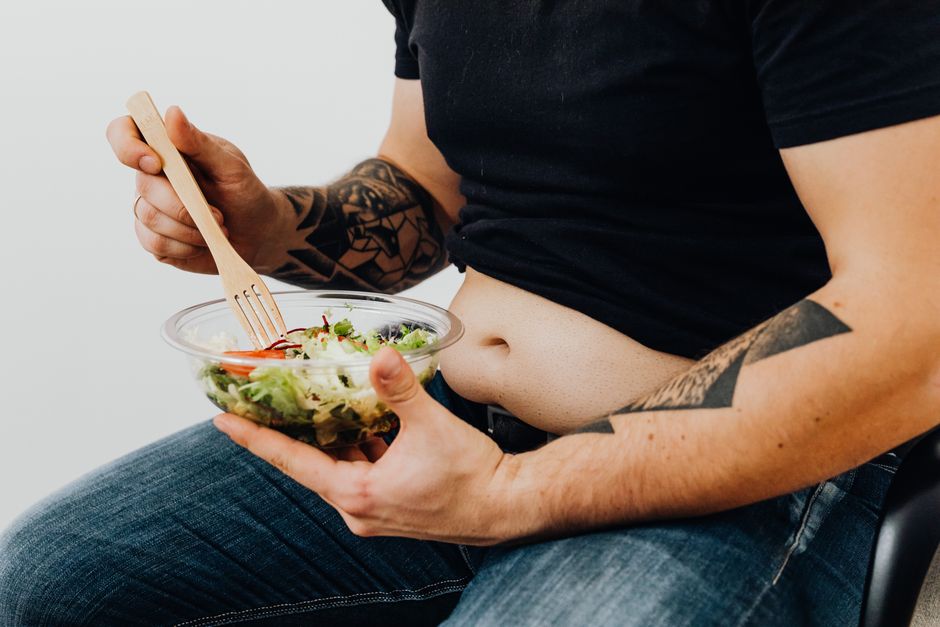
A cutting diet is a planned way of eating that creates a calorie deficit so you lose body fat while trying to hold onto as much muscle as possible. It works by taking in fewer calories than you burn, while keeping protein high and resistance training in place. The goal is not just weight loss — it is fat loss, which is a different target.
The word “cutting” comes from bodybuilding, where athletes cycle through bulking phases to add size and cutting phases to strip fat before a competition. The same basic approach has spread to everyday gym-goers who want to look leaner without shrinking their muscles. The physiology behind it is well established. The execution is where most people run into trouble.
What Is A Cutting Diet and How Does It Differ From Just Losing Weight?
Weight loss and fat loss are not the same thing, and the scale cannot tell you which one you are doing.
When you eat less than your body needs, you lose weight. That weight comes from a mix of fat, muscle, and water. A cutting diet is designed to tilt that mix toward fat. The two levers that matter most are protein intake and resistance training. Without them, a large share of the weight you lose can come from muscle tissue.
This is why two people can lose the same 10 pounds and end up looking completely different. One loses mostly fat and keeps their muscle. The other loses fat and muscle together and ends up smaller but softer. The scale reads the same. The body does not.
A cut is usually a defined period — weeks to a few months — followed by a return to maintenance calories. That structure separates it from a permanent way of eating. It also matters because staying in a deficit for too long carries its own costs, which we will get to.
How Does a Calorie Deficit Actually Burn Fat?
Body fat is stored energy. When your body needs more energy than you are feeding it, it draws on that store.
Your body burns energy around the clock — for breathing, circulation, brain activity, and movement. This is your total daily energy expenditure. When you eat fewer calories than that number, you create a deficit. Your body covers the gap by breaking down stored fat into fatty acids and glycerol, which it then uses for fuel.
Muscle is also stored energy in a sense. During a deficit, the body can break down muscle protein for fuel too. That is the risk a cutting diet is built to manage. High protein intake and resistance training both send signals that your muscles are needed, which reduces how much muscle gets broken down.
The size of the deficit matters. A small deficit tends to spare more muscle than an aggressive one. Very large deficits can accelerate fat loss in the short term but often cost more muscle and are harder to sustain. There is no single correct number here, and the right size depends on your starting body fat, training history, and how long you plan to cut.
Why Protein and Strength Training Protect Muscle
Protein and lifting are the two strongest tools for keeping muscle during a cut. This is one of the better-supported ideas in nutrition and exercise science.
Protein does two jobs. It supplies the amino acids your body needs to repair and maintain muscle, and it appears to reduce muscle breakdown during a calorie deficit. People who are dieting generally need more protein than people eating at maintenance, because the deficit itself increases the risk of losing lean tissue.
Resistance training does the other half. Lifting weights tells your body that your muscles are being used and are worth keeping. Without that signal, even a high-protein diet may not fully protect muscle mass during a substantial deficit.
Some research suggests that the total amount of protein across the day matters more than the exact timing, though spreading intake across several meals is common practice. The evidence on precise timing is mixed, so it is not something to obsess over.
What is well established:
- Higher protein intake helps preserve lean mass during weight loss.
- Resistance training helps preserve muscle during a calorie deficit.
- Combining the two works better than either alone.
- Aggressive deficits tend to cost more muscle than moderate ones.
What is not well established is an exact protein target that fits everyone. General ranges exist for athletes and dieters in the sports nutrition literature, but individual needs vary with body size, training load, and how deep the deficit is. If you have kidney disease or another condition that affects protein handling, this is a conversation to have with your doctor rather than something to self-prescribe.



What Should You Actually Eat on a Cutting Diet?
There is no single cutting diet food list. What matters is hitting your calorie and protein targets in a way you can stick with.
Most successful cuts share a few features. Protein is prioritized at each meal. Carbohydrates and fats fill in the remaining calories. Whole foods make up most of the diet because they tend to be more filling per calorie, which helps with hunger. That said, no food is forbidden — the deficit is what drives fat loss, not food purity.
Foods that tend to help people stay full on fewer calories include lean meats, fish, eggs, dairy, legumes, vegetables, and fruit. These combine protein, fiber, and water, all of which support satiety. Highly processed foods tend to be easy to overeat, which makes the deficit harder to maintain.
Hydration matters more than people expect. Water intake can affect appetite and how you feel during training. It will not burn fat on its own, but a poorly hydrated cut tends to feel worse.
How Long Should a Cut Last?
A cut is a temporary phase, not a permanent state. How long it should last depends on how much fat you are trying to lose and how well you tolerate the deficit.
Long, deep deficits tend to backfire. Over time, the body adapts to eating less. Hunger rises, energy drops, training performance can suffer, and the rate of fat loss tends to slow. This is a normal physiological response, not a personal failure. It is one reason many people use shorter cuts with breaks in between rather than one long grind.
There is no universal timeline that fits everyone. Factors include your starting body fat percentage, how large your deficit is, and how much muscle you are trying to protect. A leaner starting point generally means a slower, more careful approach, because there is less fat to lose and muscle is more at risk. People with more fat to lose can often sustain a larger deficit for longer without the same trade-offs.
A common practical approach is to run a moderate deficit for a set number of weeks, then return to maintenance calories for a period before deciding whether to cut again. The exact length is a judgment call, not a rule. If sleep, mood, training, or hunger are falling apart, that is usually a signal to ease off.
What Are the Risks and Common Mistakes?
The most common mistake is cutting too aggressively. A very large deficit can speed up scale weight loss while quietly eating into muscle. The scale looks great and the mirror looks worse.
Skipping protein or skipping training is the second big one. Either alone weakens your ability to keep muscle. Doing both is close to a guarantee that a meaningful share of your weight loss comes from lean tissue.
Other issues worth knowing about:
- Low energy and poor training performance are common during a deficit, especially if it is deep or long.
- Hunger management gets harder the leaner you get.
- Sleep and recovery can suffer, which can make the whole process harder.
- Some people experience changes in mood or motivation.
- Cutting is not appropriate for everyone — pregnancy, a history of disordered eating, and certain medical conditions are reasons to work with a clinician instead of self-directing.
One clarification worth making: a cutting diet is not a detox, a cleanse, or a special food combination. It is a calorie deficit with protein and training built in to protect muscle. Anything marketed as a shortcut around that structure is selling something other than a cut.
Frequently Asked Questions
Can you lose fat and build muscle at the same time on a cut?
Building muscle while in a calorie deficit is difficult and becomes harder the leaner and more trained you are. People new to training or with more body fat sometimes gain a small amount of muscle during a cut, but for most experienced lifters the realistic goal is to preserve muscle, not add it.
How much protein do you need on a cutting diet?
Protein needs are higher during a calorie deficit than at maintenance, and general ranges exist in the sports nutrition literature for people who train. There is no single number that fits everyone, and individual needs vary with body size, training, and the size of your deficit.
Do you need cardio to lose fat on a cut?
Cardio is not required — the calorie deficit drives fat loss, and you can create that deficit through diet alone. Cardio can help increase your energy expenditure and support heart health, but it is a tool, not a requirement.
Why am I losing weight but not looking leaner?
If a large share of your weight loss is coming from muscle, you can end up smaller without looking leaner. Keeping protein high and continuing resistance training is the main way to shift that ratio toward fat.
