
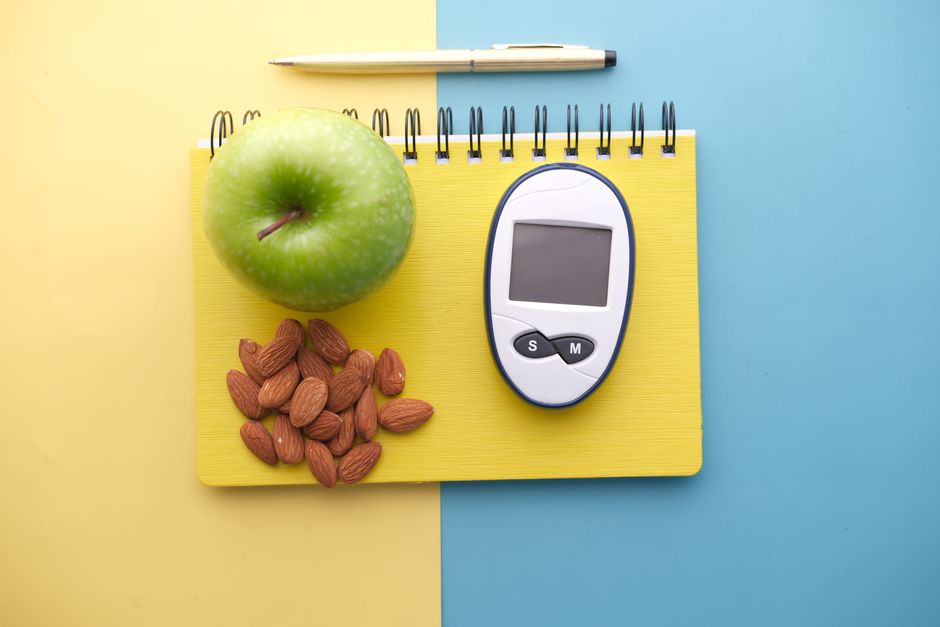
When your blood sugar drops too low, fast-acting carbohydrates are the answer. The fastest options are simple sugars and refined starches that digest quickly and raise blood glucose within minutes. Glucose tablets, fruit juice, regular soda, and honey are standard choices for a low blood sugar episode. The key is knowing how much to take, what to avoid, and when a low is serious enough to need medical help.
What To Eat To Increase Blood Sugar Quickly?
Fast carbs are foods that break down into glucose fast and get into your bloodstream fast. The clinical term is rapid-acting carbohydrate, and it is the standard first step for treating hypoglycemia.
Pure glucose works fastest. That is why glucose tablets and gels are sold specifically for this purpose. A close second is any sugary liquid without fat, because liquids empty from the stomach quickly and need little digestion.
Good options include:
- Glucose tablets or glucose gel
- Fruit juice, about half a cup
- Regular soda, not diet, about half a cup
- Honey or sugar, about one tablespoon
- Hard candy or jelly beans
- Raisins or other dried fruit
These foods raise blood sugar within roughly 15 minutes. That timing comes from clinical guidance on treating low blood sugar, which advises rechecking glucose about 15 minutes after eating a fast carb.
What matters most is the type of carbohydrate, not the exact food. Sugar and refined starch digest fast. Fat and fiber slow digestion down. That is why a candy bar is slower than plain candy, and why a glass of juice beats a piece of fruit when you need speed.
Which Foods Raise Blood Sugar Fastest?
Glucose is the fastest, and the difference is not small. Your body has to break down table sugar into glucose and fructose before it can use it. Pure glucose skips that step, so it reaches the blood sooner.
Here is a rough ranking from fastest to slower, based on how quickly each food delivers glucose:
| Food | Speed | Notes |
|---|---|---|
| Glucose tablets or gel | Fastest | Premeasured, easy to carry |
| Fruit juice or regular soda | Very fast | No fat, little digestion needed |
| Honey or table sugar | Fast | Sugar needs slight breakdown first |
| Candy, jelly beans | Fast | Chewy candy is slower than hard candy |
| White bread or crackers | Moderate | Starch takes longer than sugar |
| Chocolate bar | Slower | Fat slows absorption |
One point people often miss: fructose, the sugar in fruit and in many sweet drinks, does not raise blood glucose as directly as glucose does. It has to be processed by the liver first. That makes fruit a good everyday food but a slower choice during a low.
How Much Should You Eat To Raise Blood Sugar?
The standard starting amount for treating low blood sugar in adults is about 15 grams of fast carbohydrate. That is roughly four glucose tablets, half a cup of juice, or one tablespoon of sugar or honey.
This 15-gram figure is well established in clinical guidance for hypoglycemia treatment. The approach is often called the 15-15 rule: take 15 grams of fast carbs, wait about 15 minutes, then check your blood sugar again. If it is still low, repeat.
Do not stack large amounts at once. Eating too much fast sugar can push you from low to high, and a rebound high is uncomfortable and hard to manage. The measured approach works better.
Children need smaller amounts, and the right dose depends on body weight and age. No single guideline covers every child, so follow the plan your clinician has given you for your child specifically.




What Should You Avoid During a Low?
Fat slows sugar absorption, and that is the main thing to avoid when you need speed. Foods high in fat take longer to empty from the stomach and longer to raise blood glucose.
Chocolate is the classic example. It contains sugar, but the fat in it slows the rise. A chocolate bar is a poor choice for a low even though it tastes sweet. The same goes for ice cream, pastries, and anything with a lot of butter or oil.
Fiber also slows absorption. High-fiber foods are excellent for steady blood sugar day to day, but they are not the tool for a fast correction.
Diet drinks are another trap. Diet soda and sugar-free candy contain no carbohydrate, so they will not raise blood sugar at all. Only regular, sugar-sweetened versions work.
Alcohol is worth a separate warning. It can lower blood sugar and interfere with the body’s ability to bring it back up. It is not a treatment for a low and can make one worse.
When Is Low Blood Sugar a Medical Emergency?
Severe hypoglycemia is a medical emergency. If someone is unconscious, confused, having a seizure, or unable to swallow safely, do not give food or drink by mouth. There is a choking risk.
In that situation, the standard treatment is glucagon, a hormone that raises blood sugar. It comes as an injection or a nasal spray and is prescribed for exactly this purpose. Call emergency services.
For milder lows, watch for warning signs: shakiness, sweating, confusion, irritability, a fast heartbeat, and hunger. Treat early rather than waiting for symptoms to get worse.
People with diabetes who take insulin or certain other medications are at higher risk of lows. So are people who drink heavily or who have liver or kidney problems. If you have repeated lows, that is a signal to talk with your clinician about your treatment plan, not something to manage alone.
Do You Need to Eat Protein After?
Protein does not raise blood sugar quickly, and that is the point. Once your blood sugar is back in a safe range, eating a snack or meal with protein and fiber can help keep it steady.
Protein and fat slow digestion, which smooths out the rise and fall. A snack with some protein after a low can reduce the chance of dropping again soon. This is common clinical practice, though the strength of evidence for any specific snack is limited.
The order matters. Fast carbs first to correct the low. Then a balanced snack or meal to hold it. Doing it the other way around is too slow when you are already low.
Why Does Blood Sugar Drop in the First Place?
Blood sugar falls when the balance between glucose coming in and insulin working shifts. Insulin moves glucose out of the blood and into cells. Too much insulin, or too little food, can push blood sugar below normal.
In people without diabetes, the body usually corrects a dip on its own. The liver releases stored glucose, and hormones like glucagon signal it to do so. That built-in system keeps blood sugar in a narrow range most of the time.
In people with diabetes, that system can be less reliable. Insulin doses that are too high for the food eaten, missed meals, and extra physical activity are common triggers. Exercise uses glucose, and it can lower blood sugar for hours afterward, sometimes overnight.
Understanding your own triggers is more useful than memorizing a list of foods. The food is the fix. Knowing why the low happened is how you prevent the next one.
Frequently Asked Questions
What is the fastest food to raise blood sugar?
Pure glucose, such as glucose tablets or gel, raises blood sugar fastest because it needs no digestion. Fruit juice and regular soda are close behind.
How long does it take for food to raise blood sugar?
Fast-acting carbs typically raise blood sugar within about 15 minutes. Recheck your level after that window before eating more.
Will peanut butter raise low blood sugar quickly?
No. Peanut butter is high in fat and protein, which slow digestion, so it raises blood sugar slowly. It is a poor choice for treating a low on its own.
Can I use candy to treat low blood sugar?
Yes, hard candy and jelly beans work well because they are mostly sugar with little fat. Avoid chocolate, since its fat content slows the rise.
