
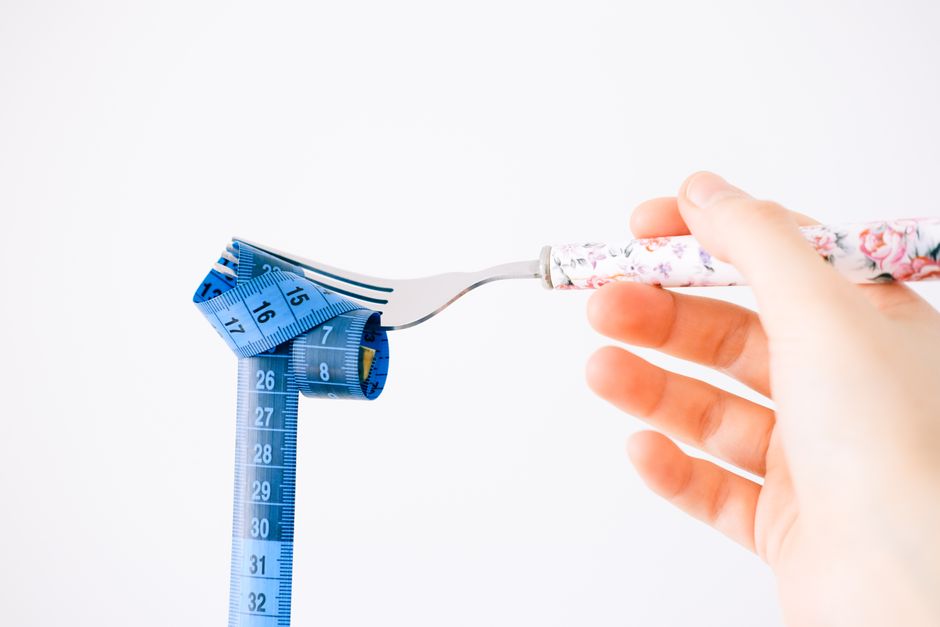
Losing fat comes down to a simple math problem: you must burn more calories than you take in. But the foods you choose to fill those calories make a real difference. Some foods keep you full longer, steady your blood sugar, and make it easier to stick with your plan. Others work against you, leaving you hungry an hour later. The foods that actually work for fat loss are the ones that support that calorie deficit without leaving you miserable. Whole proteins, fiber-rich vegetables, and foods with high water content top the list because they satisfy hunger with fewer calories.
Why Protein-Rich Foods Are Non-Negotiable
Protein is the single most important nutrient for fat loss. It does three things at once. First, it keeps you full. Protein triggers hormones in your gut that signal your brain you have eaten enough. Second, it preserves muscle mass. When you eat fewer calories, your body wants to break down muscle for energy. Enough protein prevents that, and muscle tissue burns more calories at rest than fat tissue does. Third, your body actually burns more calories digesting protein than it does digesting carbohydrates or fat. This is called the thermic effect of food.
Good protein sources include chicken breast, turkey, fish, eggs, Greek yogurt, cottage cheese, and lean cuts of beef. Plant options like lentils, chickpeas, tofu, and edamame also work well. Aim to include a protein source at every meal. This does not mean eating only protein. It means making protein the centerpiece of each plate, with vegetables and carbohydrates arranged around it.
Research consistently shows that higher protein diets improve weight loss outcomes. People on higher protein plans report less hunger and better adherence to their calorie targets. That adherence matters more than any single food choice.
Fiber-Rich Vegetables Fill You Up for Almost No Calories
Vegetables are the closest thing to a free food in fat loss. They are low in calories and high in fiber and water. Fiber adds bulk to your meals without adding digestible calories. It also slows digestion, which keeps blood sugar steady and delays the return of hunger.
Leafy greens like spinach, kale, and lettuce are extremely low in calories. Cruciferous vegetables like broccoli, cauliflower, and Brussels sprouts provide volume and fiber. You can eat a large plate of these vegetables for fewer calories than a single slice of bread. That volume matters. Your stomach has stretch receptors that signal fullness based on how much food is present, not just how many calories it contains.
A practical strategy is to fill half your plate with vegetables at lunch and dinner. This automatically reduces the room for higher-calorie foods. It is not magic. It is portion control made easy by choosing foods with low calorie density.
Whole Fruits Satisfy Sweet Cravings Without the Crash
Fruit often gets treated as a guilty pleasure in diet culture. That is a mistake. Whole fruits are a legitimate part of a fat loss diet. They contain fiber, water, and natural sugar. The fiber in whole fruit slows the absorption of that sugar, preventing the blood sugar spike and crash that comes from drinking juice or eating candy.
Apples, berries, oranges, and pears are excellent choices. Berries are particularly good because they are high in fiber relative to their sugar content. A cup of strawberries has about 50 calories and a meaningful amount of fiber. Compare that to a candy bar with the same sweetness and a fraction of the fullness.
The key is eating the whole fruit, not drinking the juice. Juicing removes the fiber and concentrates the sugar. A glass of orange juice contains the sugar of several oranges but none of the fullness. Whole fruit also takes longer to eat, which gives your brain time to register that you have eaten.



What To Eat For Fat Loss Foods That Actually Work: The Complete List
Some foods deserve special mention because they consistently perform well in both research and real-world practice. These are not exotic or expensive. They are ordinary foods that make the calorie deficit easier to maintain.
- Eggs: High protein, high satiety, and inexpensive. Studies have found that eating eggs at breakfast reduces calorie intake later in the day compared to a carbohydrate-heavy breakfast.
- Greek yogurt: Packed with protein and probiotics. Choose plain, unsweetened varieties to avoid added sugar.
- Oats: Whole grain oats provide fiber and slow-release carbohydrates. They keep you full for hours, especially when paired with protein and fruit.
- Salmon and fatty fish: Rich in protein and omega-3 fatty acids. The protein supports fullness and muscle preservation.
- Legumes: Lentils, beans, and chickpeas combine protein and fiber in one package. They are among the most filling foods measured in satiety research.
- Potatoes: Boiled or baked potatoes score extremely high on satiety indexes. They are filling relative to their calorie content, despite their reputation.
- Soups and broths: Water-based soups add volume and fullness for very few calories. A broth-based soup before a meal can reduce total calorie intake at that meal.
These foods share common traits. They are high in protein, fiber, or water. They require chewing. They are not ultra-processed. Those traits are what make them effective.
Foods to Limit or Avoid for Fat Loss
Understanding what to eat is only half the picture. Certain foods make fat loss harder because they are calorie-dense but not filling. Liquid calories are the clearest example. Sugary drinks, including soda, sweetened coffee drinks, and fruit juice, deliver calories without triggering fullness signals. Your brain does not register liquid calories the same way it registers solid food. Cutting out sugary drinks alone can create a significant calorie deficit for most people.
Ultra-processed foods deserve caution. Chips, crackers, pastries, and fast food are engineered to be highly palatable. They are easy to overeat because they are low in fiber and water and high in fat, sugar, and salt. Research suggests these foods drive higher calorie intake compared to unprocessed foods, even when people are told to eat as much as they like.
This does not mean you must eliminate these foods forever. It means recognizing that they work against your goals in a specific way. They are easy to overconsume. When they are part of a diet, they tend to push total calories above your target without providing fullness in return.
How to Build a Fat Loss Plate Without Counting Every Calorie
You do not need to track every gram to lose fat. A simple plate method works well for most people. Divide your plate into sections. Half the plate goes to vegetables. A quarter goes to protein. The remaining quarter goes to carbohydrates like rice, potatoes, or whole grains. Add a small amount of healthy fat, such as olive oil, avocado, or nuts.
This structure automatically controls portions without requiring a food scale. It ensures you get the protein and fiber you need to stay full. It leaves room for carbohydrates, which are not the enemy. Carbohydrates provide energy for daily activity and exercise. The problem is not carbohydrates themselves. It is eating them in portions that exceed your energy needs.
Portion awareness matters more than food purity. You can lose fat eating foods you enjoy, as long as total calories stay below what you burn. The foods listed here make that easier because they are filling relative to their calories. They do not require willpower to stop eating because you naturally feel satisfied sooner.
What About Timing and Meal Frequency?
Meal timing is less important than most people think. The total calories you eat over the course of a day or week determine fat loss. Whether you eat three meals or six smaller ones makes little difference for most people. The exception is personal preference. Some people feel better eating smaller, more frequent meals. Others prefer two or three larger meals. Both approaches work.
Intermittent fasting has become popular for fat loss. It works by creating a calorie deficit through a restricted eating window. Some research suggests it may help some people adhere to their calorie targets. But it is not inherently superior to standard calorie restriction. If fasting makes you miserable and leads to overeating later, it is not the right approach for you.
Protein intake across meals does matter. Spreading protein throughout the day, rather than eating most of it at dinner, supports muscle preservation and appetite control. Aim for a protein source at each meal rather than loading up once daily.
Common Myths About Fat Loss Foods
Certain foods get marketed as fat burners. Green tea, cayenne pepper, apple cider vinegar, and various supplements claim to boost metabolism or target fat. The evidence for these claims is weak. Any effect they have on metabolism is small and unlikely to produce meaningful fat loss on its own. No food burns fat directly. Fat loss happens when you maintain a calorie deficit over time.
Negative calorie foods are a myth. Celery, grapefruit, and other low-calorie foods do not require more calories to digest than they contain. They are useful because they are low in calories and filling, not because they burn fat.
Carbohydrates at night do not automatically turn into fat. Weight gain happens from total calorie surplus, not from eating carbs at a specific time. A balanced evening meal with protein, vegetables, and some carbohydrate is a healthy choice.
Frequently Asked Questions
What is the best food to eat for fat loss?
No single food causes fat loss. Foods high in protein and fiber, like eggs, Greek yogurt, lentils, and vegetables, work best because they keep you full on fewer calories.
Can I eat carbs and still lose fat?
Yes. Carbohydrates provide energy and are not the enemy. Fat loss depends on total calorie intake, not on eliminating carbs.
How much protein should I eat for fat loss?
Most research supports a daily protein intake around 0.7 to 1 gram per pound of body weight for people actively losing fat. Individual needs vary based on activity level and body composition.
Do fat burning foods actually exist?
No food burns fat directly. Some foods slightly increase metabolism, but the effect is too small to matter. Sustainable fat loss comes from a calorie deficit maintained over time.
