
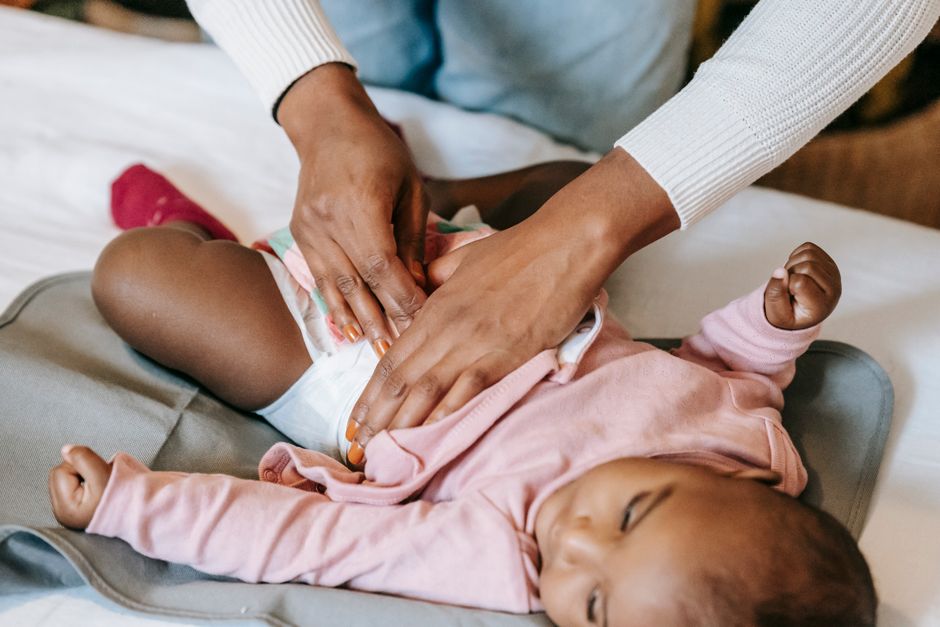
You have probably seen the scary headlines about RSV and babies. It is a leading cause of hospitalization in infants under one year old. The good news is that most babies recover at home with supportive care. To actually avoid RSV in babies, focus on strict handwashing, keeping surfaces clean, and limiting exposure to crowds and sick people during peak season. For high-risk infants, a preventive antibody shot called nirsevimab (Beyfortus) is now available and highly effective.
What Is RSV and Why Should Parents Worry?
RSV stands for respiratory syncytial virus. It is a common virus that causes cold-like symptoms in most children. For babies under six months, especially premature infants or those with heart or lung conditions, RSV can be much more serious.
The CDC reports that RSV leads to about 58,000 to 80,000 hospitalizations each year in children under five in the United States. Most of these hospitalizations happen in infants under one year old. The virus inflames the small airways in the lungs, which can make breathing very difficult for a tiny baby.
Severe RSV can cause bronchiolitis or pneumonia. Symptoms include a bad cough, wheezing, rapid breathing, and trouble feeding. Knowing this helps you understand why prevention matters so much for the youngest children.
How To Avoid Rsv In Babies Tips That Actually Work – The Basics
The most effective tips are not complicated. They are the same hygiene habits that stop many respiratory viruses. But with RSV, consistency matters more than perfection.
Wash your hands often. Use soap and water for at least 20 seconds. Do this before holding or feeding your baby. Ask anyone who wants to hold the baby to wash their hands first. Hand sanitizer with at least 60% alcohol works when soap is not available.
Keep surfaces clean. RSV can live on hard surfaces like countertops, doorknobs, and toys for several hours. Wipe down high-touch areas regularly. Use disinfectant wipes or a bleach solution on surfaces your baby touches.
Limit exposure to crowds. RSV spreads through respiratory droplets when someone coughs or sneezes. It also spreads through direct contact like kissing. During peak RSV season (fall through spring), avoid taking your baby to crowded indoor places like malls, grocery stores, or large family gatherings.
Keep sick people away. This is hard but necessary. If a friend or relative has a cold, cough, or fever, ask them to wait until they are well before visiting. Babies have weak immune systems and can catch RSV from someone who only has mild symptoms.
Do not let anyone kiss your baby on the face or hands. This is a direct route for the virus to enter your baby’s system. It may feel awkward, but it is one of the simplest ways to reduce risk.
Does the New Preventive Shot Really Work?
Yes. In 2023, the FDA approved nirsevimab (brand name Beyfortus) for all infants under eight months entering their first RSV season. A single shot provides antibodies for about five months. Research published in the New England Journal of Medicine found that nirsevimab reduced the risk of RSV-related hospitalization by about 80 percent in healthy infants.
This is not a vaccine. It is a monoclonal antibody treatment. That means it gives your baby ready-made antibodies instead of teaching their body to make its own. It works immediately and does not require a baby’s immune system to respond.
The CDC now recommends nirsevimab for all infants under eight months born during or entering their first RSV season. For high-risk children ages 8 to 19 months, a second dose may be recommended. Talk to your pediatrician. Many insurance plans cover it, and it is available at most pediatric offices and some pharmacies.
Some parents worry about side effects. The most common ones are mild: pain or redness at the injection site, and sometimes a low fever or rash. Severe allergic reactions are very rare. The shot does not contain any live virus, so it cannot cause RSV.


What About Breastfeeding and Other Home Strategies?
Breastfeeding does provide some protection against RSV. Breast milk contains antibodies from the mother, including IgA antibodies that coat the baby’s respiratory tract. Research shows that exclusively breastfed infants have lower rates of RSV hospitalization compared to formula-fed infants.
But breastfeeding is not a guarantee. It reduces risk but does not eliminate it. If you cannot breastfeed, formula feeding is perfectly fine. Do not let anyone make you feel guilty about this.
Other strategies that help include:
- Using a humidifier in the baby’s room to keep nasal passages moist
- Keeping the baby away from tobacco smoke, which damages lung tissue and increases RSV risk
- Washing pacifiers, bottles, and toys frequently
- Wiping down grocery cart handles before use
These are small actions, but they add up. The virus is everywhere during peak season, so every layer of protection helps.
What About Vitamin D, Zinc, or Elderberry?
You will see a lot of claims online about supplements preventing RSV. The evidence for most of them is weak or nonexistent.
Vitamin D is important for immune function. Some studies suggest that babies with low vitamin D levels may have a higher risk of respiratory infections. But no high-quality study has proven that giving extra vitamin D prevents RSV specifically. The American Academy of Pediatrics recommends 400 IU of vitamin D daily for all breastfed infants, but this is for bone health, not RSV prevention.
Zinc lozenges or syrups have been studied for colds in adults. There is no clinical evidence that zinc prevents RSV in babies. Do not give zinc supplements to an infant without a doctor’s approval.
Elderberry is widely claimed to boost immunity. As of 2026, there is no clinical evidence that elderberry prevents RSV in babies. Some products are not regulated and may contain contaminants. Do not give elderberry to infants.
Stick with what the evidence supports: handwashing, avoiding sick people, cleaning surfaces, and the preventive antibody shot for eligible babies.
Common Misconceptions About RSV Prevention
Myth: “Only premature babies get severe RSV.” This is false. While premature infants are at higher risk, full-term healthy babies can also get very sick. About half of babies hospitalized for RSV are full-term with no underlying conditions.
Myth: “My baby already had RSV, so they are immune.” Not true. Babies can get RSV multiple times in a single season. The first infection is usually the worst, but reinfection is common.
Myth: “Hand sanitizer kills RSV instantly.” Hand sanitizer does kill RSV, but it works best when hands are not visibly dirty. Soap and water are more effective at removing the virus from hands. Use hand sanitizer as a backup, not a replacement.
Myth: “If I wear a mask around the baby, that is enough.” Masks reduce the spread of respiratory droplets but do not stop all transmission. RSV also spreads through contact with contaminated surfaces. Handwashing and surface cleaning are just as important.
| Prevention Method | How Well It Works | Evidence Level |
|---|---|---|
| Handwashing | Reduces risk significantly | Strong – CDC recommendation |
| Nirsevimab shot | ~80% reduction in hospitalization | Strong – NEJM study, CDC recommendation |
| Breastfeeding | Moderate reduction in severity | Moderate – observational studies |
| Vitamin D supplements | No proven RSV-specific benefit | Weak – no clinical trials |
| Elderberry | No proven benefit for infants | None – no clinical evidence |
When Should You Call the Doctor?
Even with the best prevention, some babies will still get RSV. Know the warning signs that need medical attention.
Call your pediatrician if your baby has any of these symptoms:
- Difficulty breathing – you see their chest pulling in with each breath, or their nostrils flare
- Wheezing or a cough that sounds tight
- Not feeding normally – taking less than half their usual amount
- Fewer wet diapers than usual (less than four in 24 hours for a newborn)
- Lethargy – your baby is unusually sleepy and hard to wake
- Fever over 100.4°F in a baby under three months
If your baby is struggling to breathe, has blue lips or fingernails, or stops breathing for more than 10 seconds, call 911 immediately. Do not wait for the pediatrician.
Most babies with RSV recover at home with rest, fluids, and suctioning of nasal mucus. But severe cases need hospital care, including oxygen and sometimes breathing support. Early medical attention makes a difference.
Frequently Asked Questions
Can my baby get the RSV shot if they already have a cold?
Yes. The nirsevimab shot can be given even if the baby has a mild illness like a cold. Your pediatrician will decide based on the baby’s specific symptoms.
How long does the RSV antibody shot protect my baby?
One dose of nirsevimab provides protection for about five months. This covers most of a typical RSV season.
Can I get RSV from my baby and pass it back to them?
Yes. Adults can catch RSV from babies and then reinfect them. Wash your hands frequently and wear a mask if you have symptoms.
Is RSV worse than the flu for babies?
RSV is the leading cause of hospitalization in infants under one year old, while flu is more dangerous for older adults. Both can be serious, but RSV is more common in babies.
